






What's Happening?
Production has officially concluded for 'The Lord Of The Rings: The Hunt For Gollum,' an anticipated 'interquel' film set within J.R.R. Tolkien's Middle-earth universe. The movie, directed by Andy Serkis, is slated for release on December 17, 2027. This
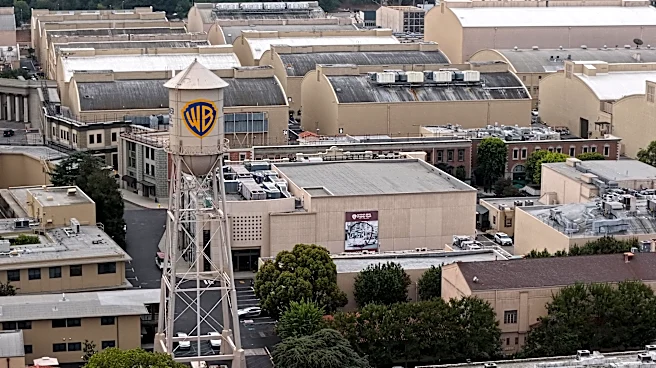
film is positioned during the events of 'The Fellowship Of The Ring' and focuses on Aragorn's mission to capture Gollum before Sauron can discover the location of the One Ring. The cast features a lineup of prominent actors, including Elijah Wood as Frodo, Sir Ian McKellen as Gandalf, Lee Pace as Thranduil, Jamie Dornan as Aragorn, Kate Winslet as Marigol (reportedly Gollum/Sméagol's Stoor Hobbit grandmother), Anya Taylor-Joy as Sindarin elf Seren, and Leo Woodall as Halvard, a Dúnedain man. The film's co-writer, Philippa Boyens, described it as a Middle-earth adventure with a 'strong psychological interior story.' The wrap-up of filming was announced with a humorous video released by Warner Bros., signaling the transition into post-production.
Why It's Important?
The completion of filming for 'The Lord Of The Rings: The Hunt For Gollum' marks a significant milestone for the entertainment industry, particularly for Warner Bros. and fans of the 'Lord of the Rings' franchise. This film represents a continued investment in a globally recognized and highly lucrative intellectual property, aiming to capitalize on the enduring popularity of Middle-earth. The inclusion of a star-studded cast and the return of beloved characters like Frodo and Gandalf, portrayed by their original actors, is expected to generate substantial box office revenue and streaming viewership. For the U.S. entertainment market, this project reinforces the trend of expanding established cinematic universes through prequels, sequels, and interquels, providing a steady pipeline of high-budget productions. The success of such a film can influence future studio decisions regarding franchise development and talent acquisition, potentially leading to more large-scale fantasy adaptations and employment opportunities within the film production sector.
What's Next?
Following the wrap of principal photography, 'The Lord Of The Rings: The Hunt For Gollum' will now enter an extensive post-production phase. This period will involve editing, visual effects, sound design, and musical scoring, all crucial steps to prepare the film for its December 17, 2027 release. Warner Bros. will likely begin its marketing campaign closer to the release date, including trailers, promotional events, and interviews with the cast and crew, to build anticipation among the global fanbase. The film's performance will be closely watched by industry analysts, as it will provide insights into the continued commercial viability of the 'Lord of the Rings' franchise and the effectiveness of expanding its narrative through new cinematic ventures. Future developments may include announcements regarding spin-off projects or further expansions of the Middle-earth universe, depending on the film's reception.
Beyond the Headlines
The production of 'The Lord Of The Rings: The Hunt For Gollum' highlights a broader trend in the entertainment industry: the strategic expansion of beloved franchises to maintain audience engagement and generate new revenue streams. By focusing on an 'interquel' that fills a narrative gap within the original trilogy, the film aims to deepen the lore and provide new perspectives on established characters and events. This approach can be seen as a way to satisfy long-time fans while also attracting new audiences. The film's success could influence how other major studios approach their own intellectual properties, potentially leading to more nuanced storytelling within existing universes rather than solely relying on direct sequels or reboots. Furthermore, the involvement of a 'Kiwi crew' and the continued association with New Zealand as the primary filming location reinforce the cultural and economic impact of the franchise on the region, showcasing the global nature of large-scale film production and its ability to foster international collaboration and tourism.