

What's Happening?
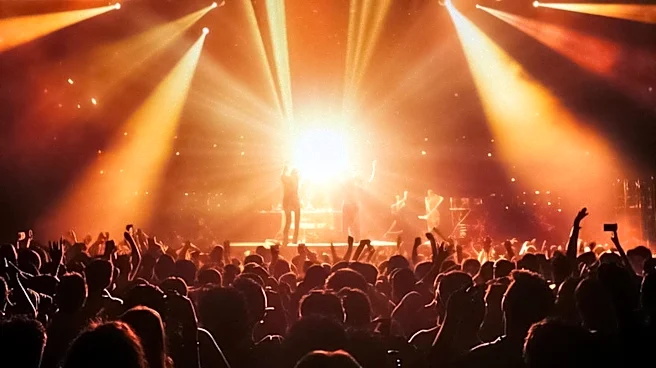
Pop music concerts are increasingly featuring 'surprise songs' and guest appearances, a trend that has become widespread among artists like Charli XCX, Lady Gaga, Dua Lipa, and Taylor Swift. This phenomenon, which originated with Taylor Swift's tours,
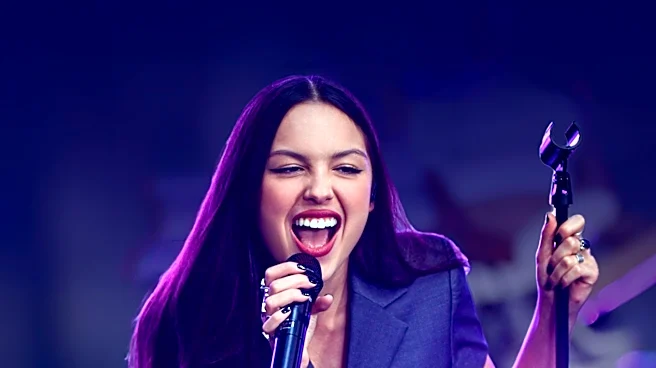
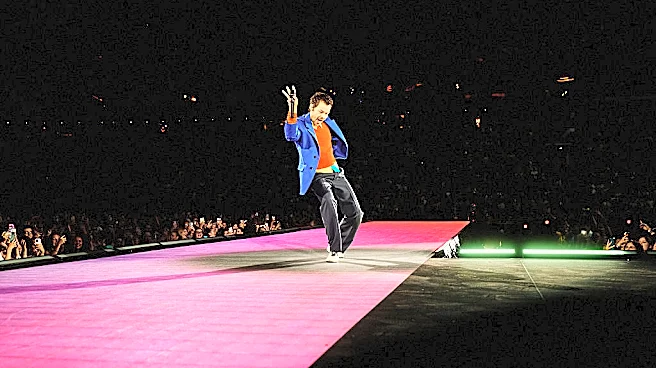
involves artists performing unexpected songs or bringing out special guests, often varying the selection at each tour stop. The practice aims to create unique experiences for concert-goers and generate significant online engagement. For instance, posts about surprise songs on Charli XCX's tour received significantly more engagement than those about her regular setlist. Artists like Phoebe Bridgers, Olivia Rodrigo, Noah Kahan, and Harry Styles have also adopted this trend, with some even incorporating fan voting for song choices. This strategy is driven by the desire for virality, online exposure, and to spark broader pop-culture discourse beyond an artist's immediate fanbase. The value of a concert is increasingly being determined by its unique 'surprise song' offerings compared to other tour dates.
Why It's Important?
This trend significantly impacts the live music industry and fan culture in the U.S. By prioritizing 'surprise songs' and guest appearances, artists are creating a new form of fan service that can drive ticket sales and online engagement. The virality generated by these unique moments provides tours with increased online exposure, potentially attracting new audiences and boosting an artist's profile. For fans, it transforms the concert experience into a competitive and anticipatory event, where the 'value' of their specific show is measured against others based on the rarity or popularity of the surprise elements. This can lead to both heightened excitement and potential disappointment, as fans compare setlists and guest appearances across different cities. The streaming bump observed for Taylor Swift's surprise songs indicates a direct economic benefit, as these performances can lead to sustained listening and increased catalog streams, impacting artists' revenue and market presence.
What's Next?
The 'surprise song epidemic' is likely to continue evolving as artists seek new ways to engage fans and maintain relevance in a highly competitive music landscape. We may see further innovations in how these surprise elements are integrated, potentially including more interactive fan participation or more elaborate guest collaborations. However, the increasing prevalence of planned spontaneity could also lead to a dilution of its impact, as the element of genuine surprise diminishes. Artists might need to find new methods to keep these moments fresh and truly unexpected to avoid fan fatigue or disappointment. The online discourse surrounding these surprises will continue to shape fan expectations and influence tour planning, pushing artists to constantly innovate their live performances to maintain virality and fan interest.
Beyond the Headlines
The 'surprise song' phenomenon highlights a broader shift in the relationship between artists and their audiences, driven by the digital age and social media. It underscores how online virality and fan-generated content have become crucial components of an artist's marketing strategy. The emphasis on unique, shareable moments transforms concerts from purely live performances into content-generating events. This also raises questions about the authenticity of 'spontaneity' in highly produced shows and the potential for manufactured experiences to overshadow the raw artistry of a performance. The competitive aspect among fans, debating which city 'won' with the best surprise, reflects a gamification of fandom, where the concert experience becomes a point of comparison and social currency. This trend could lead to a re-evaluation of what constitutes a 'special' live performance and how artists balance artistic integrity with the demands of online engagement.