

What's Happening?
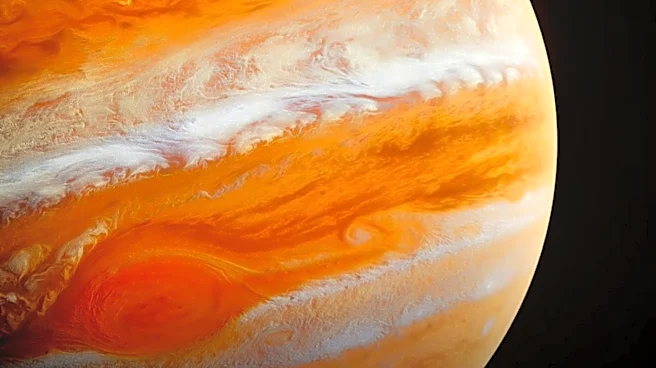
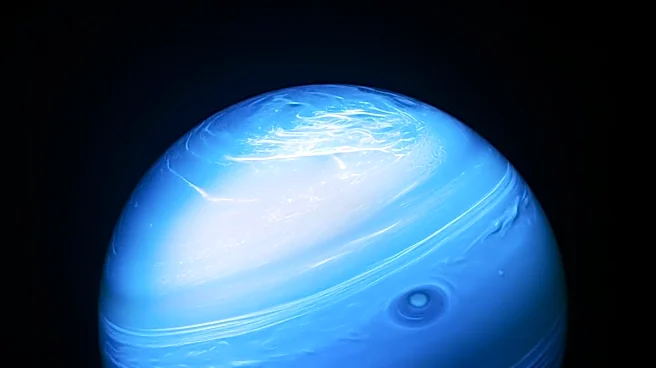
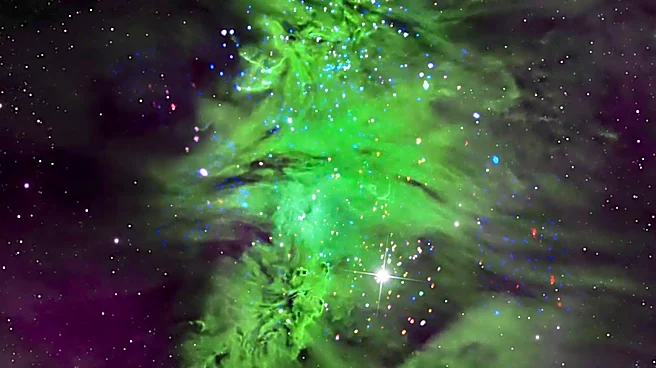
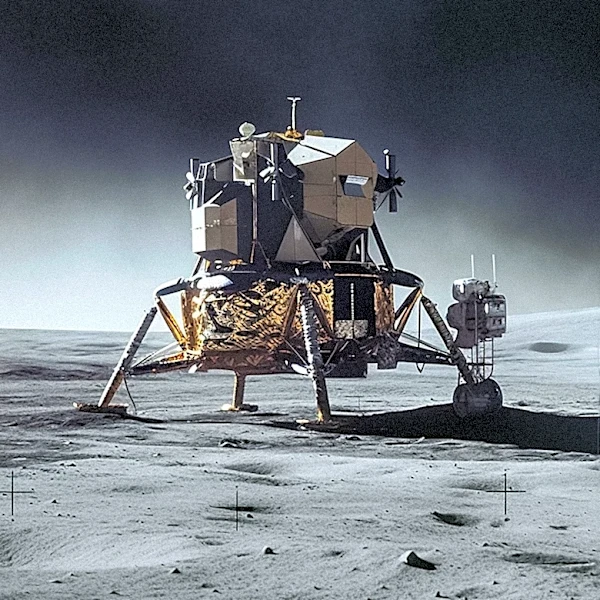
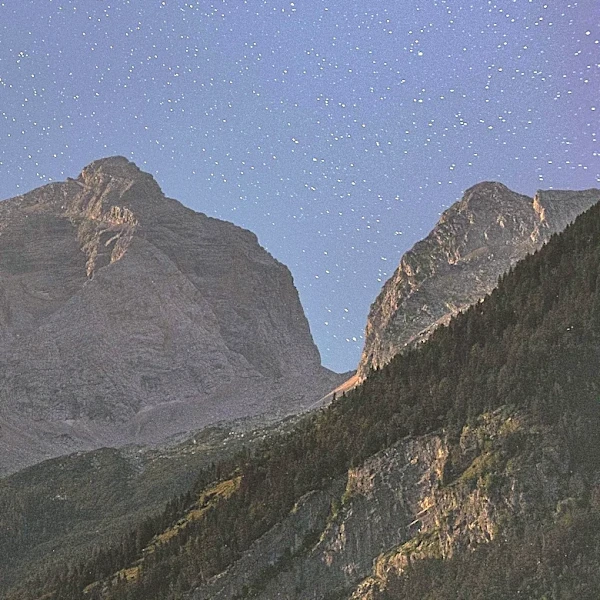
The 18th annual Astronomy Photographer of the Year competition, organized by the Royal Observatory Greenwich, has announced its shortlist of finalists. The competition received nearly 4,000 submissions from 769 photographers across 66 countries, featuring
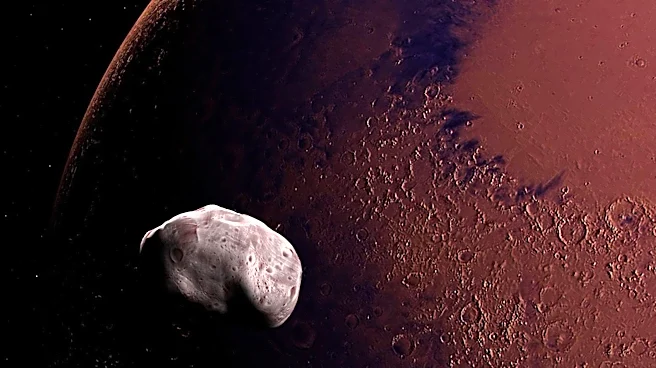
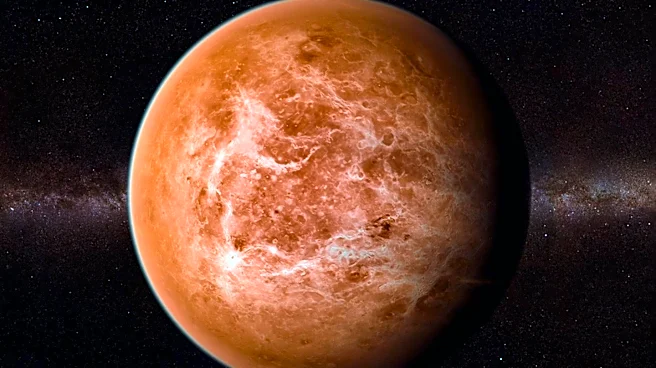
images of auroras, galaxies, and lunar landscapes. Notable entries include a composite image of Mars by Tom Williams and a solar prominence captured by Rafael Schmall, resembling an acacia tree. The competition celebrates both the technical and artistic aspects of astrophotography, with judges evaluating entries based on their visual impact and scientific significance. Winners will be announced on September 17, with the top prize being £10,000. The winning and shortlisted images will be displayed at London's National Maritime Museum.
Why It's Important?
This competition highlights the intersection of art and science, showcasing the beauty and complexity of the universe through photography. It provides a platform for photographers to share their work with a global audience, promoting public interest in astronomy and science. The competition also encourages innovation in photographic techniques, pushing the boundaries of what can be captured and how it is presented. By celebrating these images, the event fosters a greater appreciation for the natural world and the scientific endeavors that help us understand it. The competition's international reach underscores the universal appeal of astronomy and the shared human curiosity about the cosmos.
What's Next?
The announcement of the winners on September 17 will be a key event, drawing attention from both the scientific community and the general public. The exhibition at the National Maritime Museum will provide an opportunity for people to engage with the images in person, potentially inspiring future generations of astronomers and photographers. The competition may also influence trends in astrophotography, encouraging more people to explore this field. As technology advances, future competitions may see even more innovative and breathtaking submissions, further enhancing the public's understanding and appreciation of the universe.