


What's Happening?
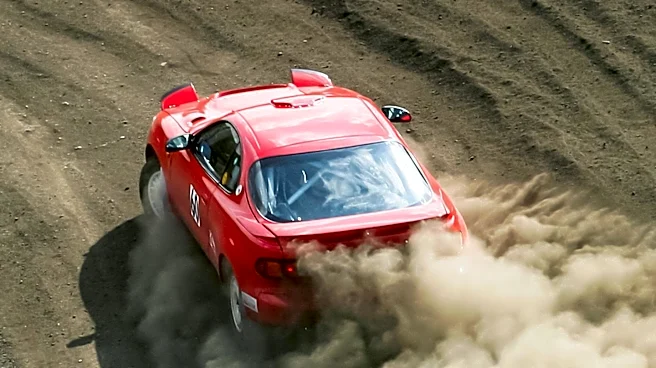
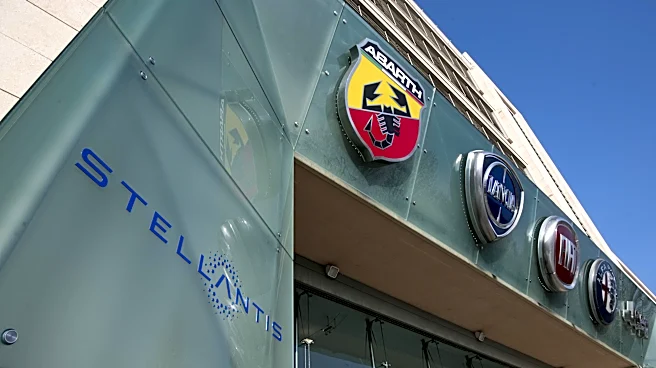
Stellantis, under CEO Antonio Filosa's austerity course, is reportedly considering ending a significant portion of its motorsport activities, including Lancia's World Rally Championship (WRC) program. This move is part of a broader plan to achieve savings
of six billion euros by 2028. The potential cuts could affect approximately 300 employees in the motorsport department in Versailles-Satory. Programs such as Peugeot's Hypercar initiative in the World Endurance Championship and Formula E activities for Citroën and Opel are also at risk. For Lancia, this news comes shortly after its successful return to the WRC in January with the Ypsilon Rally2 HF Integrale, which secured a WRC2 team title in its debut season. There were even discussions about Lancia potentially moving up to the highest world championship category by 2027, a prospect now in jeopardy due to the proposed cost-cutting measures.
Why It's Important?
The potential withdrawal of Stellantis from various motorsport disciplines, particularly Lancia's rally program, carries significant implications for the automotive industry and the sport itself. Lancia's return to rallying was a notable event, symbolizing a revival of a heritage brand in a competitive arena. Its potential exit could diminish brand visibility and impact customer engagement for Stellantis's performance-oriented vehicles. Economically, the closure of the motorsport department and the cessation of these programs would result in job losses and a reduction in investment within the specialized engineering and development sectors tied to racing. For the broader motorsport landscape, the departure of a major manufacturer like Stellantis could reduce competition, innovation, and the overall appeal of series such as the WRC, World Endurance Championship, and Formula E, affecting fan bases and sponsorship opportunities.
What's Next?
Stellantis has not yet confirmed or denied the reports regarding the cessation of its motorsport activities. However, two extraordinary meetings with workers' representatives have been scheduled for Monday, November 23, to discuss potential cuts. These meetings are expected to provide more clarity on the company's plans. While a complete withdrawal from rallying for Lancia is not entirely certain, the brand might continue customer racing with its Ypsilon Rally2 HF Integrale and Ypsilon Rally4 HF models. This business model relies on selling cars to private teams and providing technical support, with revenue from sales and sponsorships potentially enabling a reduced WRC commitment. The future of Stellantis's numerous rally one-make cups, including those for Opel and Peugeot, also remains unclear, as their financing and technical support would need reorganization if the central motorsport department is closed.
Beyond the Headlines
The reported austerity measures by Stellantis highlight a broader trend within the automotive industry where traditional marketing and brand-building strategies, such as motorsport involvement, are being re-evaluated against financial performance and evolving business models. CEO Antonio Filosa's focus on achieving substantial savings by 2028 suggests a strategic shift towards optimizing core operations and potentially reallocating resources to other areas, such as the transition to electric vehicles, which Filosa has previously indicated Stellantis may have overestimated the pace of. This decision could signal a more pragmatic, cost-conscious approach to brand promotion, moving away from high-cost, high-visibility sporting endeavors. The impact on brand loyalty and enthusiast communities, particularly for iconic brands like Lancia with a rich motorsport history, could be significant, potentially altering the perception of these brands among their dedicated followers.