







What's Happening?
J.B. Hunt Transport Services, Inc., a Fortune 500 company and a prominent logistics provider in North America, is actively expanding its team of regional intermodal drivers in Logansport, Indiana. This initiative offers full-time positions with competitive
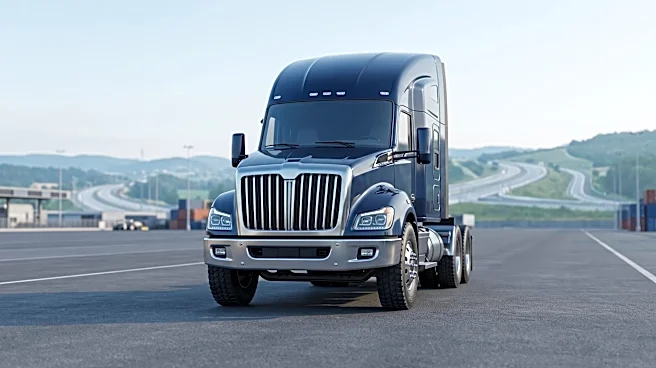
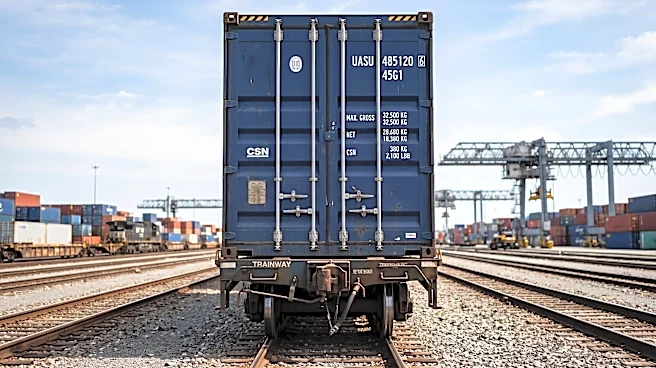
salaries ranging from $75,000 to $90,000 annually. The roles are designed to provide a balanced lifestyle, with drivers typically returning home multiple nights a week and guaranteed consecutive days off. J.B. Hunt emphasizes a culture of safety, inclusion, and professional growth, investing significantly in its driving professionals. Intermodal drivers are crucial to the global supply chain, responsible for transferring shipping containers between rail yards and customer distribution centers. The company specifies that these positions are 'no-touch freight,' meaning drivers are not required to physically load or unload cargo. Candidates must be at least 21 years old, possess a valid Class A Commercial Driver's License (CDL-A), and have a minimum of three months of verifiable tractor-trailer driving experience, along with a clean motor vehicle record and the ability to pass DOT physical and drug tests.
Why It's Important?
This expansion by J.B. Hunt Transport Services in Logansport, Indiana, underscores the ongoing demand for skilled labor in the U.S. logistics and transportation sector. The offering of competitive salaries and benefits, including comprehensive health, dental, and vision insurance, a 401(k) company match, and paid time off, highlights the industry's efforts to attract and retain qualified drivers. The focus on a balanced lifestyle with predictable home time addresses a significant concern for many commercial drivers, potentially improving job satisfaction and reducing turnover in a sector critical to the national economy. As a pioneer in modern intermodal shipping, J.B. Hunt's investment in its driving professionals directly supports the efficiency and reliability of the supply chain, which is vital for businesses and consumers across North America. The growth in Logansport, a key hub for commercial freight logistics, also signifies regional economic development and job creation in the Midwest.
What's Next?
J.B. Hunt will continue to recruit and onboard qualified regional intermodal drivers in Logansport, Indiana, and potentially other key logistics hubs across the country. The company's emphasis on professional growth and a supportive work environment suggests ongoing training and development opportunities for new hires. The consistent schedules and predictable home time offered are likely to attract a steady stream of applicants, helping to meet the demand for intermodal transport services. As the logistics industry evolves, J.B. Hunt may further integrate technological advancements into its operations, potentially enhancing driver efficiency and safety. The company's commitment to investing in its workforce indicates a long-term strategy to maintain its position as a leading transportation and logistics provider, ensuring the continued movement of goods across the U.S. and supporting the broader economy.
Beyond the Headlines
The expansion of regional intermodal driver roles by J.B. Hunt reflects broader trends in the U.S. supply chain, particularly the increasing reliance on intermodal transportation for its efficiency and environmental benefits. By moving freight via rail for long distances and using trucks for shorter hauls, intermodal shipping can reduce fuel consumption and emissions compared to long-haul trucking alone. The 'no-touch freight' policy not only makes the job more appealing to drivers but also highlights a shift towards optimizing labor roles within logistics, focusing on driving expertise rather than manual handling. This approach can contribute to a more sustainable and resilient supply chain. Furthermore, the emphasis on work-life balance for drivers could set a precedent for other companies in the industry, potentially leading to improved working conditions and a more attractive career path for commercial drivers, addressing long-standing challenges of driver shortages and retention in the U.S.