





What's Happening?
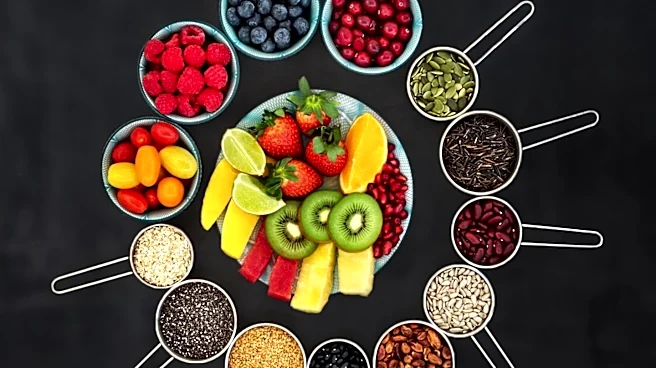
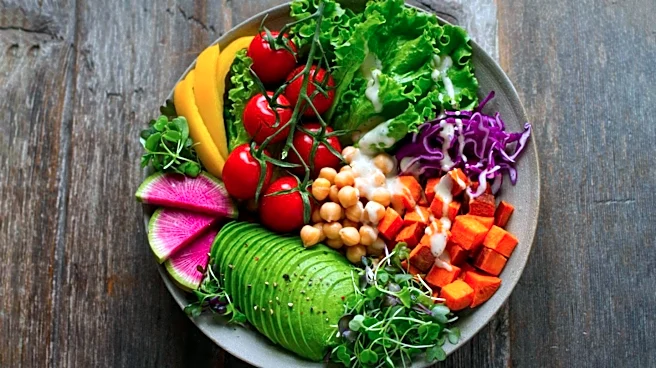
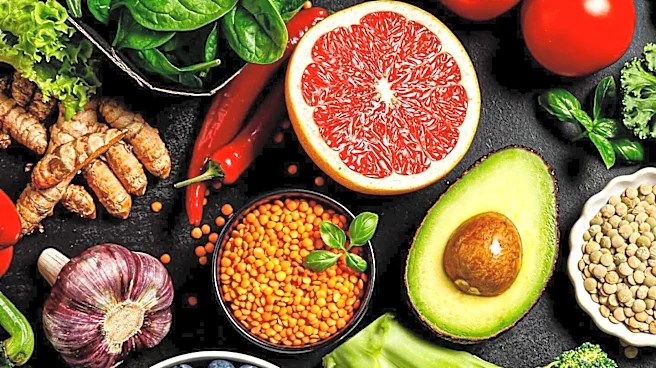
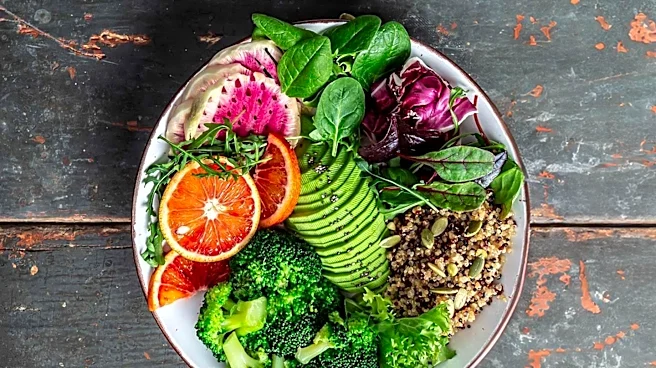
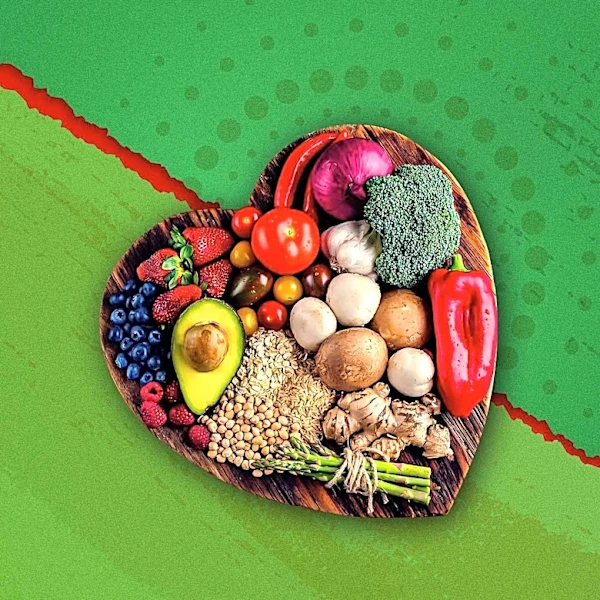
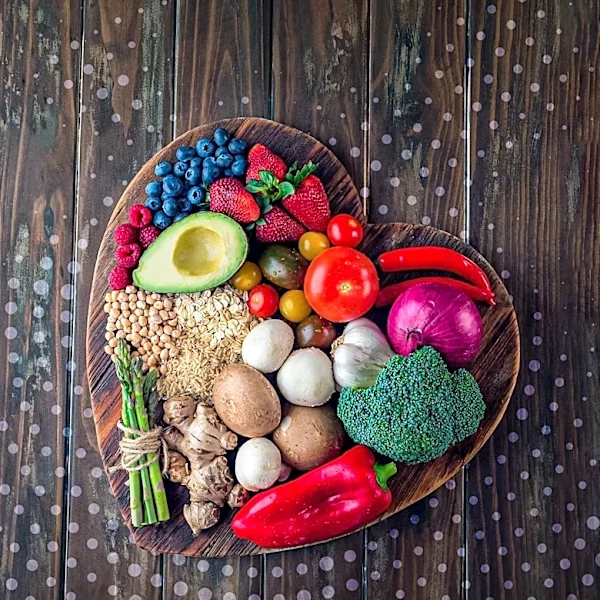
Clean eating is a dietary approach that prioritizes whole, minimally processed foods. This includes a focus on vegetables, fruits, whole grains, lean proteins, and healthy fats. It often draws inspiration from established dietary patterns such as the
Mediterranean and DASH diets, which are known for their emphasis on unsaturated fats, legumes, and reduced intake of red and processed meats. The core principle is to provide essential nutrients to the body while supporting overall health and well-being. This approach encourages the consumption of foods that are as close to their natural state as possible, avoiding artificial ingredients, excessive sugars, and highly refined products. The goal is to foster a healthier metabolic environment by promoting fiber, slower glucose absorption, and beneficial fats.
Why It's Important?
The emphasis on whole, unprocessed foods in clean eating is important for several reasons. It helps in managing and preventing various health conditions, particularly those related to metabolic syndrome, which is a cluster of conditions including increased blood pressure, high blood sugar, excess body fat around the waist, and abnormal cholesterol or triglyceride levels. By focusing on nutrient-dense foods, individuals can improve their cardiovascular health, regulate blood sugar levels, and maintain a healthy weight. The reduction of processed foods and added sugars can significantly lower the risk of chronic diseases. This dietary pattern also promotes a balanced intake of macronutrients and micronutrients, which are crucial for optimal bodily functions and long-term health. The adoption of such eating habits can lead to sustained improvements in energy levels and overall quality of life.
What's Next?
Individuals looking to adopt a clean eating lifestyle can start by gradually incorporating more whole foods into their diet and reducing their intake of processed items. This involves planning meals ahead, choosing fresh produce, and opting for home-cooked meals over fast food. For those with specific health concerns, such as chronic kidney disease (CKD) alongside metabolic syndrome, it is crucial to consult with a healthcare professional or a registered dietitian. Dietary recommendations may need to be adapted to ensure they are safe and effective for individual health conditions, especially concerning nutrient intake like potassium and phosphorus. Continued research into the long-term effects of clean eating and its variations will further refine dietary guidelines and personalized approaches to health.
Beyond the Headlines
Beyond the immediate health benefits, the clean eating movement reflects a broader societal shift towards greater awareness of food sources and their impact on health. It encourages a more mindful approach to consumption, prompting individuals to consider where their food comes from and how it is prepared. This can lead to increased demand for locally sourced, organic, and sustainably produced foods, influencing agricultural practices and food industry trends. The focus on whole foods also challenges the convenience-driven culture of highly processed and packaged meals, potentially fostering a return to traditional cooking methods and family meal times. Ethically, it raises questions about food accessibility and affordability, as fresh, unprocessed foods can sometimes be more expensive or harder to obtain for certain populations, highlighting disparities in health and nutrition.