






What's Happening?
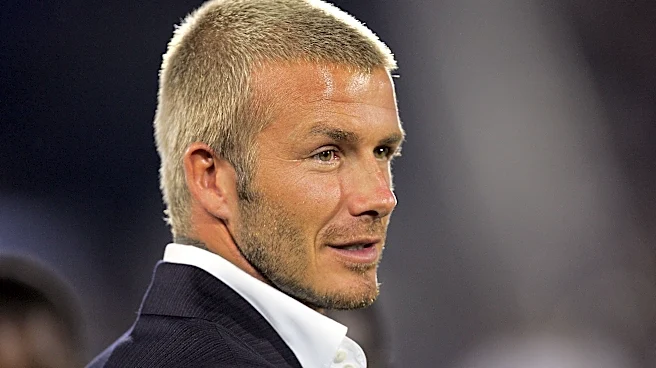
DB Ventures, the commercial company representing David Beckham, is reportedly suing global beauty group Coty for $61.5 million (US$41 million) in damages. The lawsuit, filed in New York, alleges that Coty, the manufacturer and distributor of Beckham-branded
fragrances, sold these 'luxury' products in unauthorized discount stores and even a petrol station bargain bin. According to NBC News, DB Ventures expressed 'shock and dismay' upon discovering the products in such venues. The core of the claim is that these sales have associated the David Beckham brand, which is described as 'synonymous with excellence and refinement,' with 'cheap, discount products,' thereby damaging its carefully cultivated image. Coty, headquartered in the Netherlands and a long-term partner of the Beckham brand, has filed a defense, requesting the judge to dismiss the lawsuit. Coty reportedly argues that it has the right to decide where to sell its David Beckham range and that DB Ventures is using this claim to prematurely exit its licensing deal.
Why It's Important?
This lawsuit highlights the critical importance of brand image and intellectual property protection in the celebrity endorsement and luxury goods markets. For high-profile individuals like David Beckham, whose brand is built on perceived excellence and refinement, unauthorized discount sales can significantly dilute brand value and consumer perception. The alleged sale of 'luxury' fragrances in bargain bins could lead to a loss of exclusivity and prestige, potentially impacting future endorsement deals and the overall commercial viability of the brand. For Coty, a global beauty group, the outcome of this lawsuit could set a precedent regarding the control licensors have over product distribution channels, even after manufacturing and distribution agreements are in place. The dispute also underscores the financial stakes involved, with DB Ventures seeking substantial damages to compensate for the alleged harm to Beckham's brand equity.
What's Next?
The legal proceedings are expected to continue in New York, with Coty having already filed a defense seeking dismissal of the lawsuit. The court will likely examine the terms of the licensing agreement between DB Ventures and Coty to determine the extent of Coty's distribution rights and whether the alleged sales constitute a breach of contract or brand dilution. The outcome could either affirm the licensor's control over brand perception and distribution or grant more autonomy to manufacturers and distributors in managing product sales. Depending on the court's decision, there could be implications for how celebrity endorsement deals are structured and enforced within the beauty and luxury industries, potentially leading to more stringent clauses regarding sales channels and brand image protection in future contracts.
Beyond the Headlines
Beyond the immediate financial and legal implications, this case touches upon the broader cultural phenomenon of celebrity branding and the delicate balance between mass market accessibility and luxury exclusivity. In an era where celebrity endorsements are ubiquitous, maintaining a consistent brand narrative across all consumer touchpoints is paramount. The alleged 'bargain bin' sales challenge the carefully constructed image of David Beckham as a style icon and symbol of refinement, raising questions about the long-term sustainability of celebrity brands if not meticulously managed. This dispute could also prompt a re-evaluation of contractual agreements in the licensing industry, emphasizing the need for explicit clauses that define acceptable sales channels and brand positioning to prevent similar conflicts and protect the intangible value of celebrity intellectual property.