






What's Happening?
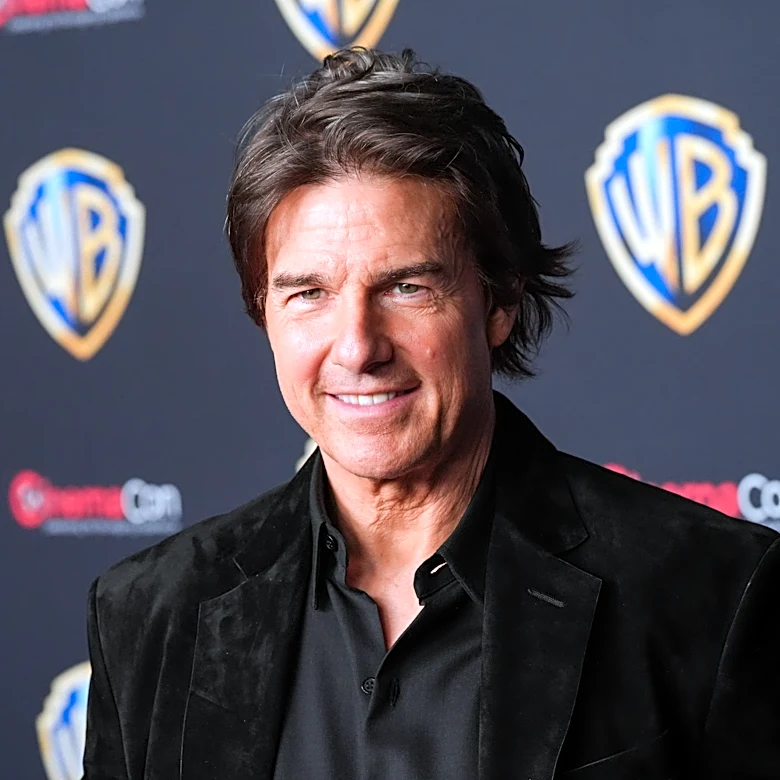
Actor Adam Scott recently expressed his satisfaction that his 2004 biker action film, 'Torque,' has achieved the status of a 'hood classic.' During an appearance on the podcast 'Straw Hat Goofy's Movies,' Scott, known for his role in 'Severance,' discussed
the film's production and reception. He recalled the competitive atmosphere during filming, noting that 'Torque' was shooting near 'Biker Boyz' in downtown Los Angeles, with both films vying for audience attention in the early 2000s racing movie trend. Scott mentioned that director Joseph Kahn intended 'Torque' to be a satire of 'The Fast and the Furious' franchise, though he wasn't sure if the satirical elements fully materialized. Despite its mixed critical reviews and a modest worldwide box office of $46 million against a $40 million budget, Scott highlighted the film's 'really, really funny' and 'sharp moments.' He also shared a personal anecdote about film critic Elvis Mitchell giving 'Torque' a positive review in The New York Times, which specifically mentioned Scott, making him feel seen amidst the generally negative critical response.
Why It's Important?
Adam Scott's reflection on 'Torque' underscores the evolving nature of film reception and cultural impact, particularly how certain movies can gain cult status years after their initial release, often transcending their original critical and commercial performance. The film's journey from mixed reviews to a 'hood classic' illustrates a phenomenon where specific communities or demographics embrace a movie for reasons that might differ from mainstream critical assessment. This highlights the diverse ways audiences connect with and value cinematic works, sometimes finding humor, style, or cultural relevance that critics initially overlooked. For actors like Scott, such a re-evaluation can be a source of pride, validating their early career choices and the unique qualities of projects that might not have been immediate blockbusters. It also speaks to the power of niche audiences in shaping a film's legacy, demonstrating that a movie's true importance can be measured by its lasting resonance with specific cultural groups, rather than solely by box office numbers or critical consensus.
What's Next?
The renewed attention on 'Torque' due to Adam Scott's comments could lead to a resurgence of interest in the film, potentially prompting new discussions and re-evaluations among film enthusiasts and critics. This might encourage streaming platforms to highlight the movie, or even inspire retrospective articles and analyses exploring its unexpected cultural longevity. For Scott, this acknowledgment of 'Torque' as a 'hood classic' could further diversify his public image, showcasing his involvement in a wider range of cinematic projects beyond his more critically acclaimed roles. It also serves as a reminder that the cultural impact of films can be unpredictable and long-lasting, often shaped by audience engagement over time rather than initial critical reception. This trend of re-discovering and re-appreciating older films suggests a continuous dialogue between past and present cinematic tastes.
Beyond the Headlines
The phenomenon of a film like 'Torque' achieving 'hood classic' status years after its release delves into deeper cultural and sociological aspects of film consumption. It highlights how certain films, despite not being critical darlings, can resonate profoundly with specific communities, often due to their portrayal of particular lifestyles, aesthetics, or humor that speak directly to those audiences. This re-appropriation of a film by a community can transform its meaning and value, creating a parallel narrative of success that exists outside traditional Hollywood metrics. It also reflects the subjective nature of art and entertainment, where cultural relevance can be more impactful than critical acclaim. For the film industry, this trend suggests the importance of understanding diverse audience perspectives and the potential for films to gain enduring cultural capital through unexpected pathways, challenging the conventional wisdom of what constitutes a 'successful' or 'important' movie.