






What's Happening?
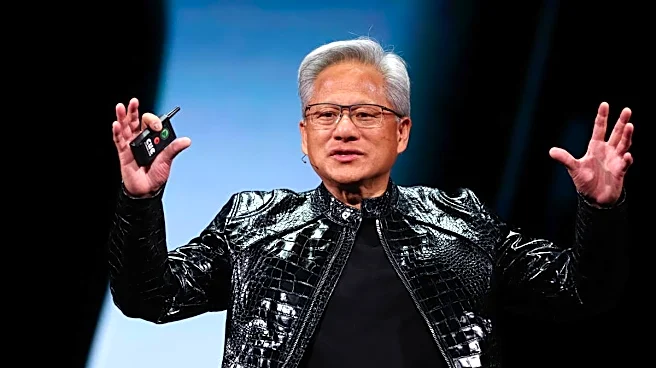
Jensen Huang, CEO of Nvidia, has publicly stated that 'suffering' is an essential component of achieving success, asserting that 'nobody suffers better than I can.' He elaborated that undertaking 'something incredible' necessitates enduring hardship,
implying that easy paths do not lead to extraordinary accomplishments. Huang's personal work ethic reflects this philosophy, as he reportedly works seven days a week, including holidays. This intense dedication is partly fueled by a persistent fear that Nvidia could fail, a sentiment he has maintained throughout the company's 33-year history. He has often used the phrase '30 days from going out of business' to describe his ongoing sense of vulnerability and insecurity, regardless of Nvidia's current market position. Huang also highlighted that individuals with high expectations often possess low resilience, whereas his own low expectations have contributed to his resilience. He believes that resilience is crucial for success and that experiencing suffering is a necessary part of developing it.
Why It's Important?
Jensen Huang's philosophy on suffering and relentless work ethic offers a significant insight into the leadership style driving one of the world's most valuable technology companies. His belief that resilience, forged through adversity, is paramount for success can influence corporate culture and leadership development within the U.S. tech industry. This perspective challenges the notion of effortless achievement, promoting a more grounded and persistent approach to innovation and business growth. For employees and aspiring entrepreneurs, Huang's statements underscore the demanding nature of high-level success in competitive sectors like artificial intelligence and chip manufacturing. Furthermore, his candidness about a continuous 'fear of failure' despite Nvidia's immense success highlights the psychological pressures at the helm of major corporations, potentially impacting mental health discussions in the workplace. This leadership philosophy could also shape how investors perceive the long-term sustainability and drive behind Nvidia's continued dominance, suggesting a deeply ingrained commitment to overcoming challenges.
What's Next?
Jensen Huang's continued articulation of his philosophy on suffering and resilience is likely to reinforce Nvidia's internal culture of relentless pursuit and innovation. This mindset could translate into sustained aggressive research and development efforts, particularly in the highly competitive AI and semiconductor markets. Other tech leaders and companies might draw inspiration from Huang's approach, potentially leading to a broader emphasis on resilience and perseverance within the U.S. business landscape. For Nvidia, this philosophy suggests a continued commitment to pushing boundaries, even if it means navigating significant challenges. The company's future strategies are expected to reflect this drive, focusing on long-term technological leadership rather than short-term gains. This could also influence how Nvidia approaches partnerships and market expansions, prioritizing robust, resilient solutions. The ongoing dialogue around AI development and its challenges will likely see Huang continue to advocate for a proactive, problem-solving approach rooted in his belief in overcoming adversity.
Beyond the Headlines
Beyond the immediate business implications, Jensen Huang's emphasis on 'suffering' as a prerequisite for 'incredible' achievements touches upon deeper cultural and psychological dimensions of success in the U.S. This perspective can be seen as a modern interpretation of the American ideal of grit and perseverance, suggesting that true innovation often emerges from confronting and overcoming significant obstacles. It challenges the often-glamorized image of tech entrepreneurship, revealing the intense personal sacrifices and mental fortitude required. Ethically, it raises questions about the sustainability of such a demanding work culture and its potential impact on employee well-being, especially if widely adopted. On a societal level, it could influence educational philosophies and mentorship programs, shifting focus towards building resilience and problem-solving skills rather than solely celebrating immediate successes. Huang's views also highlight the inherent risks and uncertainties in pioneering new technologies like AI, where setbacks are inevitable, and a strong capacity for endurance is critical for long-term impact.