








What's Happening?
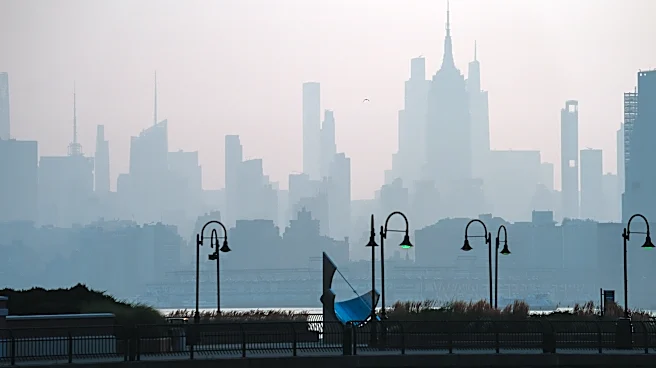
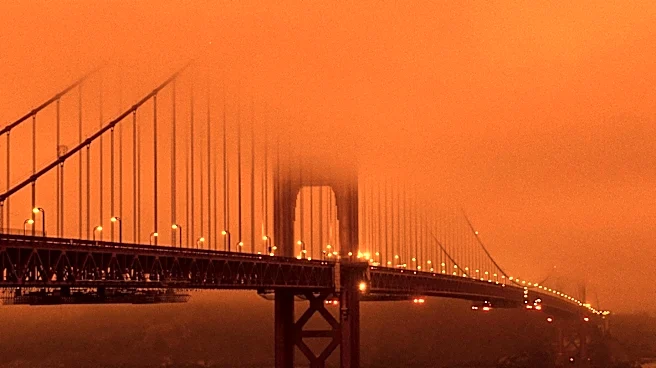
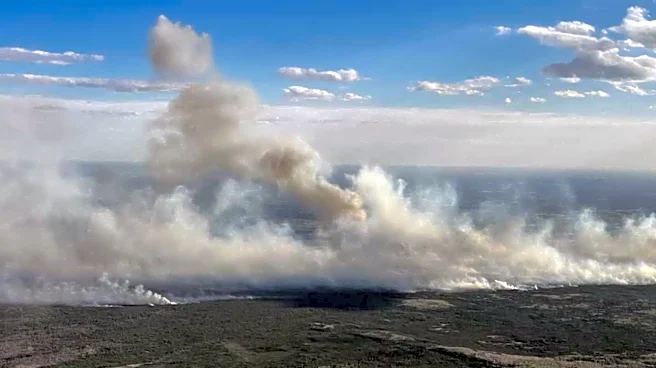
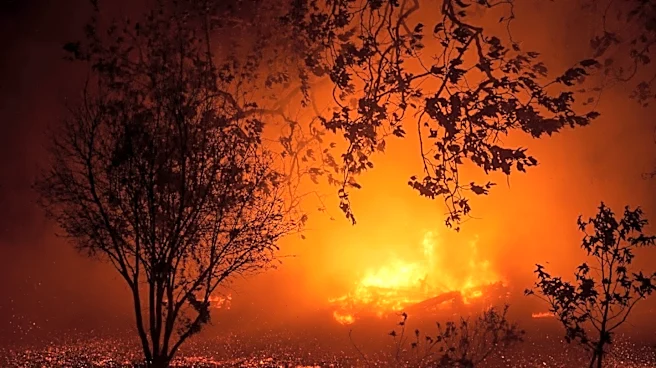
The poor air quality in the New York/New Jersey area will reportedly not affect Sunday's World Cup final between Argentina and Spain, according to ESPN. Wildfires from Canada have led to smoke spreading across parts of the Northeastern and Midwestern
United States. As of Friday morning, the Air Quality Index for the region was rated as 'unhealthy,' which could cause health effects to the general public. The hazardous air conditions have prompted government officials and health experts to warn people to stay indoors. Those who must go outdoors to travel or work were urged to wear N95 or KN95 masks.
Why It's Important?
The decision to proceed with the World Cup final despite air quality concerns underscores the challenges of balancing public health with major international events. The situation highlights the broader impact of climate-related events, such as wildfires, on global activities and the need for effective contingency planning. The event's continuation also reflects the economic and cultural significance of the World Cup, which draws significant global attention and investment.
What's Next?
As the World Cup final approaches, officials will likely continue to monitor air quality levels and implement necessary precautions to ensure the safety of players and spectators. The event may prompt further discussions on the need for international cooperation in addressing climate change and its cross-border impacts. Additionally, the outcome of the final could influence future sporting events' planning and risk management strategies.
Beyond the Headlines
The World Cup final in New Jersey serves as a reminder of the interconnectedness of global events and environmental issues. It raises questions about the responsibility of event organizers to prioritize public health and safety in the face of climate-related challenges. The situation also highlights the potential for sports to serve as a platform for raising awareness about environmental issues and promoting sustainable practices.