








What's Happening?
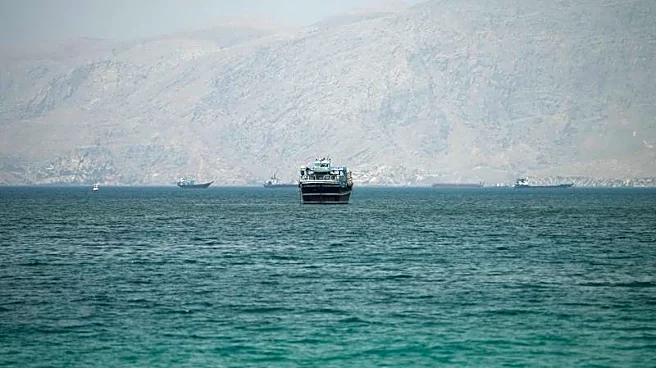
Niels Rasmussen, Chief Shipping Analyst at BIMCO, has highlighted ongoing uncertainties in the container shipping market, particularly concerning the reopening of the Strait of Hormuz. The market is currently influenced by the US/Iran agreement, the potential
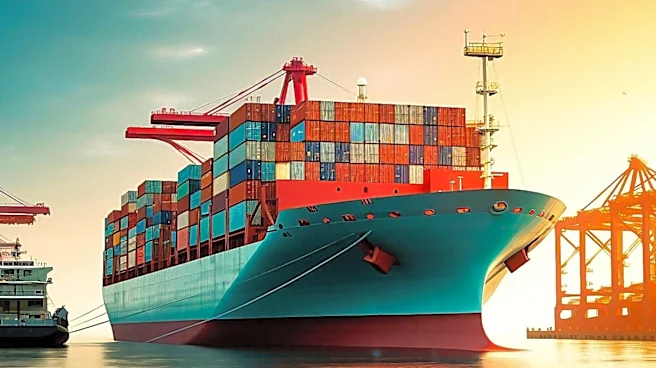
reopening of the Strait, and the evolution of US import tariffs. BIMCO has outlined two scenarios: one where the Strait reopens in the third quarter of 2026, and another where it remains closed through 2027. Despite disruptions, global container demand has shown resilience, with a 5.1% year-on-year growth in the first four months of 2026. However, risks such as higher energy prices and tariff uncertainties continue to pose challenges.
Why It's Important?
The developments in the Strait of Hormuz are critical as they affect global shipping routes and market stability. The uncertainty surrounding the US/Iran agreement and potential tariff changes could impact shipping costs and trade flows, influencing global supply chains. The resilience in container demand, despite these challenges, underscores the adaptability of the shipping industry. However, the potential for increased supply growth could pressure market conditions, affecting freight rates and operational strategies for shipping companies.
What's Next?
The shipping industry is closely monitoring the situation in the Strait of Hormuz and the US/Iran agreement. The outcome will significantly influence routing patterns and market dynamics. Shipping companies may need to adjust their strategies based on the evolving geopolitical landscape and tariff policies. The potential reopening of the Strait could stabilize market conditions, but continued disruptions may lead to further operational adjustments and cost implications.