




What's Happening?
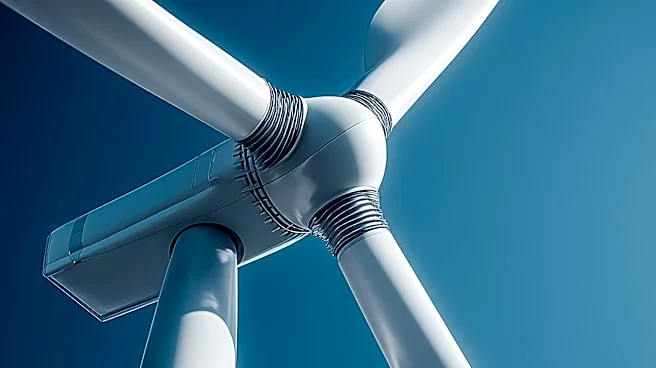
GE Vernova is actively recruiting a Mechanical Engineer to join its Nacelle & Frames team within the Wind Machine Head Engineering Subsection. This role involves the complete lifecycle ownership of structural mechanical components for wind turbines, including
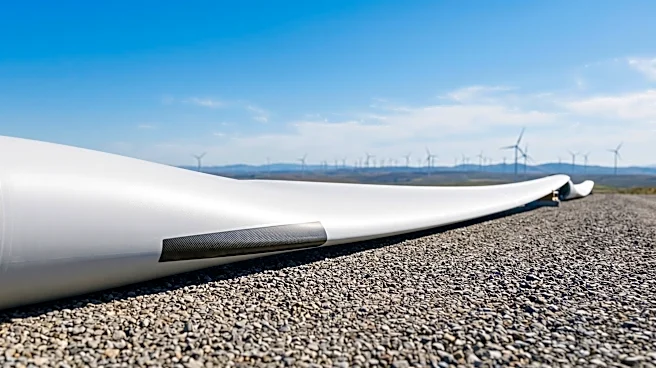
composites, metallic structures, cranes, seals, and louvers. The responsibilities encompass new product and technology introduction, validation and testing, field support, and root cause analysis. The selected engineer will be tasked with designing and developing engineering solutions for these components, collaborating with other GE Wind engineering teams to ensure seamless integration, and working with System, Sub-System, and Component Engineers to integrate parts into the overall turbine design. The position also requires owning detailed engineering specifications and drawings for sourcing wind turbine components, conducting technical risk assessments, and managing risk mitigation through DFMEA and design verification/validation test plans. The role demands a Bachelor’s degree in Mechanical Engineering or a related field, along with a minimum of two years of experience in product design and development within the wind or a relevant industry. Proficiency in CAD (preferably Unigraphics NX 3D-CAD), CAE (preferably Ansys), and PLM tools is also required.
Why It's Important?
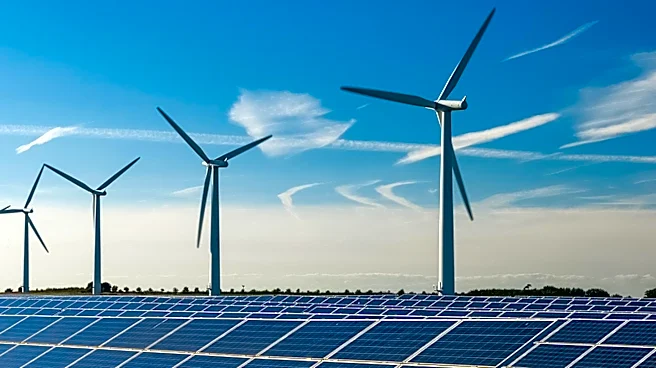
This job opening at GE Vernova highlights the ongoing investment and development in the renewable energy sector, specifically wind power, within the U.S. The demand for specialized mechanical engineers underscores the complexity and technical sophistication required to advance wind turbine technology. This role is crucial for enhancing the efficiency, reliability, and longevity of wind turbines, which are vital components of the nation's clean energy infrastructure. By focusing on the design and development of structural mechanical components, GE Vernova is contributing to the robustness and performance of wind energy systems, which directly impacts the U.S.'s ability to meet its renewable energy targets and reduce carbon emissions. The emphasis on risk assessment and mitigation also points to the critical need for safety and durability in large-scale industrial applications like wind farms. The requirement for specific software proficiencies like CAD, CAE, and PLM tools indicates the industry's reliance on advanced engineering methodologies and digital tools for product development and lifecycle management.
What's Next?
The recruitment process for this Mechanical Engineer position will proceed with candidate evaluations and interviews, aiming to fill a critical role in GE Vernova's wind energy division. Once filled, the new engineer will immediately contribute to ongoing projects related to wind turbine component design and development. This will likely involve working on next-generation turbine models or improving existing ones, with a focus on materials science, structural integrity, and manufacturing processes. The continuous development in this area is expected to lead to more efficient and cost-effective wind energy solutions, potentially accelerating the deployment of wind power across the U.S. Furthermore, the insights gained from this role, particularly in areas like root cause analysis and field support, will inform future design iterations and contribute to the overall advancement of wind energy technology. The company's commitment to innovation in wind power suggests a continued push towards sustainable energy solutions.
Beyond the Headlines
The specialized nature of this engineering role reflects a broader trend in the U.S. energy sector: the increasing demand for highly skilled professionals in renewable energy. As the nation transitions towards cleaner energy sources, the need for engineers capable of designing, developing, and maintaining complex systems like wind turbines will only grow. This creates opportunities for educational institutions to tailor their curricula to meet these industry demands, fostering a new generation of engineers with expertise in renewable technologies. Moreover, the focus on structural components and materials science in wind turbine design has implications for sustainable manufacturing and supply chain development. The continuous innovation in this field can also lead to spin-off technologies and advancements in other sectors requiring robust mechanical systems. The long-term impact includes not only environmental benefits but also economic growth through job creation and technological leadership in the global renewable energy market.