







What's Happening?
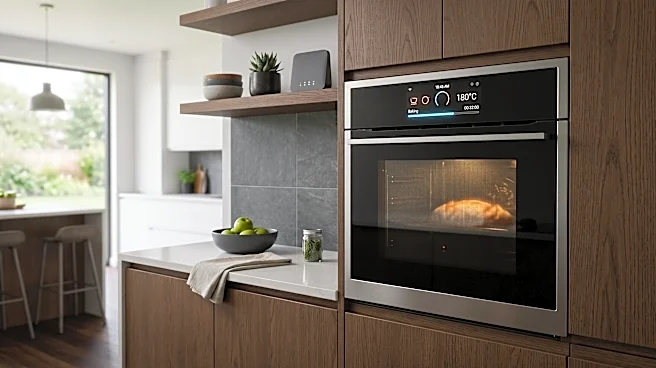
Connected kitchens are integrating smart technology to improve functionality and convenience in U.S. households. This involves smart appliances that can be controlled remotely via mobile applications, allowing users to monitor and schedule tasks from
various locations. Crucial to this integration is robust connectivity, requiring adequate Wi-Fi and Bluetooth coverage to ensure seamless communication between devices. Homeowners are advised to consider the layout of their kitchens and strategically place routers or range extenders to eliminate dead zones. Dedicated networks can further enhance device performance, especially when managing multiple connected gadgets. Smart kitchen upgrades are designed to simplify meal preparation and decision-making, offering features like AI recipe assistance and enhanced settings for faster cooking. This technological advancement extends to outdoor kitchens as well, where smart options require careful consideration of utility access and the use of weather-resistant materials to maintain both functionality and aesthetic appeal.
Why It's Important?
The rise of connected kitchens signifies a significant shift in how U.S. consumers interact with their homes, impacting daily routines and potentially influencing the real estate market. For industries, this trend drives innovation in appliance manufacturing, smart home technology, and construction, creating new market opportunities for companies specializing in integrated kitchen solutions. Consumers stand to gain from increased convenience, energy efficiency through optimized appliance usage, and enhanced safety features like smart smoke detectors and remote monitoring. The integration of AI for recipe suggestions and automated cooking cycles can reduce daily decision fatigue, making meal preparation less stressful for busy families. Conversely, those who do not adapt to these technological advancements might find their homes less competitive in future housing markets, as connected features become more standard and expected by buyers. The demand for seamless integration also pushes internet service providers to offer more reliable and robust home network solutions.
What's Next?
The future of connected kitchens will likely see further advancements in artificial intelligence and machine learning, leading to more personalized and predictive cooking experiences. Appliances may become even more autonomous, learning user preferences and anticipating needs without direct input. We can expect continued development in interoperability standards, allowing devices from different manufacturers to communicate more seamlessly. The expansion of smart technology into outdoor living spaces will also continue, with more sophisticated weather-resistant and integrated solutions becoming available. As these technologies evolve, there will be an increased focus on cybersecurity to protect personal data and prevent unauthorized access to smart home systems. Additionally, the market will likely see a greater emphasis on sustainable and energy-efficient smart appliances, driven by both consumer demand and regulatory pressures, further reducing utility costs and environmental impact.
Beyond the Headlines
Beyond the immediate benefits of convenience and efficiency, the proliferation of connected kitchens raises deeper implications regarding data privacy and the evolving definition of 'home.' As smart appliances collect data on usage patterns, dietary preferences, and even energy consumption, questions about who owns this data and how it is used become paramount. There's a subtle shift in the domestic sphere, where technology moves from being a tool to an active participant in household management, potentially altering family dynamics and decision-making processes. The 'smart home' concept, spearheaded by the kitchen, could lead to a more interconnected and automated living environment, blurring the lines between physical and digital spaces. This also presents ethical considerations regarding accessibility, as advanced smart kitchen technologies might create a divide between those who can afford and utilize them and those who cannot, potentially exacerbating existing social inequalities.