
What's Happening?
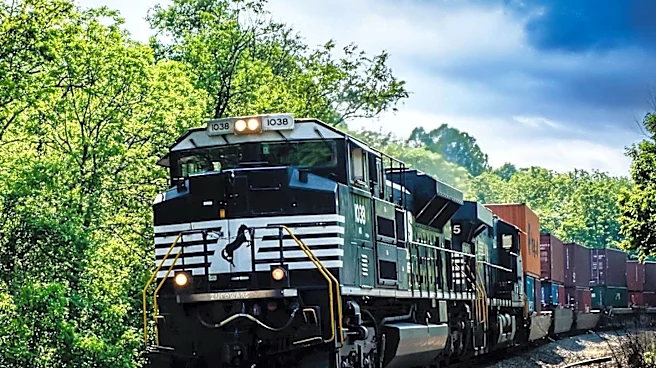
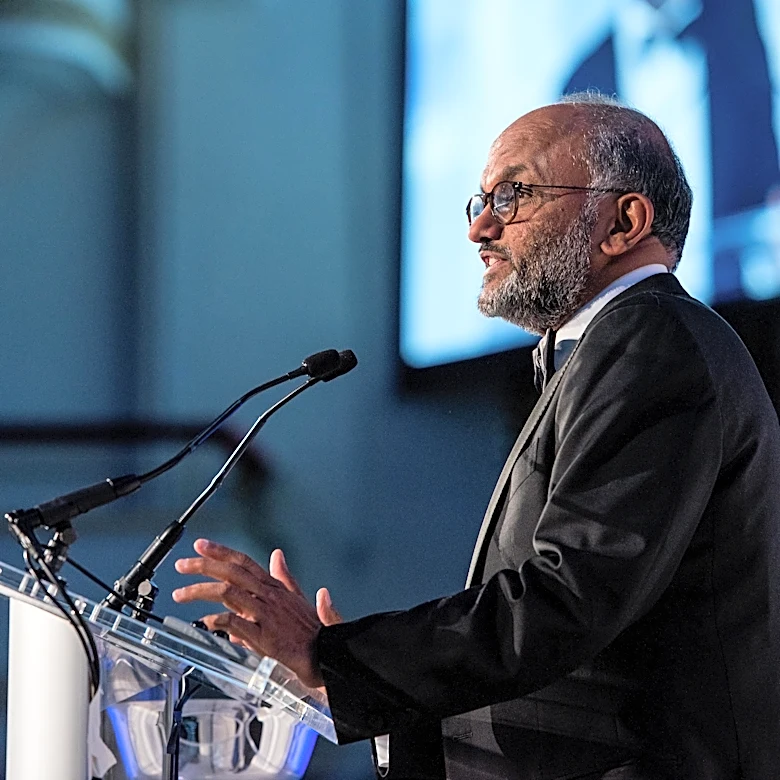
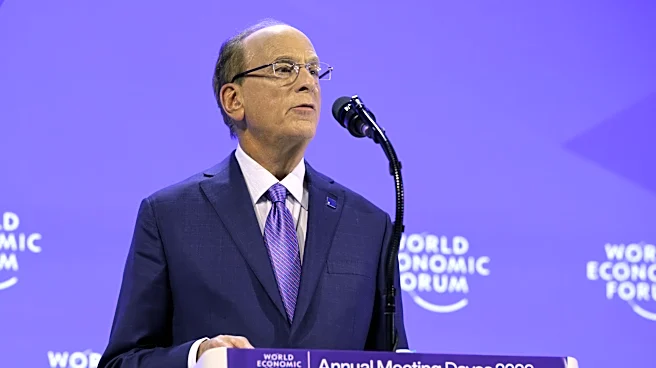
Union Pacific CEO Jim Vena and Norfolk Southern CEO and President Mark George have reiterated the necessity for a simpler, more reliable, and competitive rail network in the U.S. This statement comes nearly a year after their merger application was filed
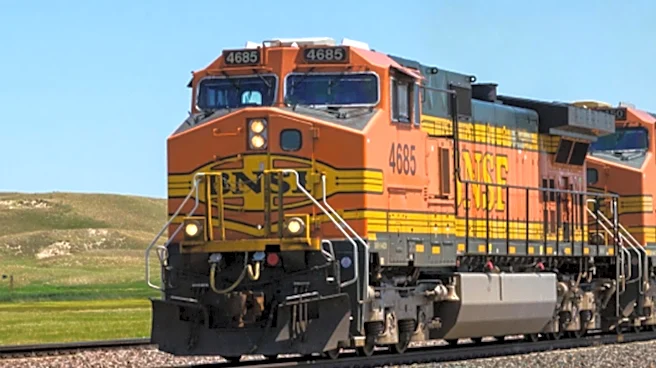
with the Surface Transportation Board (STB). Speaking at RailTrends 2026 in New York, the executives emphasized that stakeholder engagement has consistently reinforced this message. Their proposed combination aims to create America’s first single-line transcontinental railroad, connecting over 50,000 route miles across 43 states. This initiative is designed to introduce approximately 88,000 new county-to-county single-line lanes and convert 10,000 existing interline movements into seamless single-line service, thereby reducing complexity and uncertainty associated with railroad handoffs. The companies project these improvements will generate around $3.5 billion in annual shipper savings by shifting freight from higher-cost trucking to lower-cost rail.
Why It's Important?
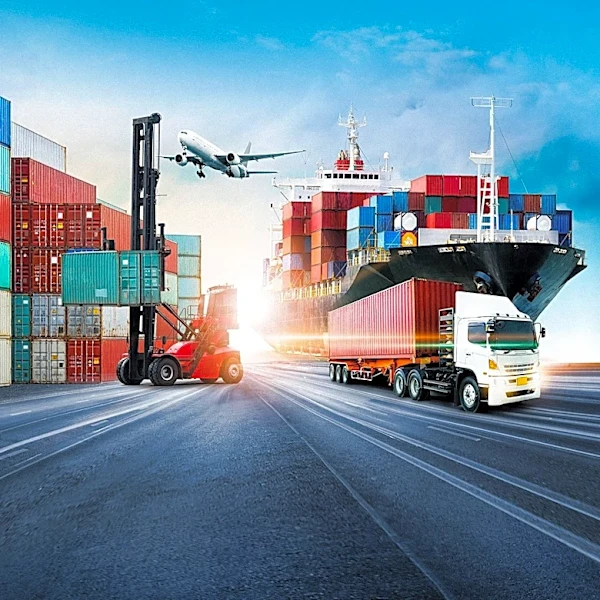
This proposed merger and the call for a simpler rail network hold significant implications for U.S. industries and the economy. By creating a single-line transcontinental railroad, Union Pacific and Norfolk Southern aim to enhance efficiency and reduce shipping costs, which could benefit businesses reliant on freight transportation. The projected shift of 2.1 million truckloads annually from highways to rail could alleviate road congestion, reduce carbon emissions, and potentially lower logistics expenses for companies. This move is also critical for the rail industry's competitiveness, as it seeks to capture a larger share of long-haul freight currently moved by trucks. The CEOs argue that a more connected and user-friendly rail system will open new product opportunities for customers and strengthen the overall U.S. supply chain, making it more resilient and cost-effective. The integration involves substantial investment and aims to improve service metrics and financial performance for the combined entity.
What's Next?
The Surface Transportation Board (STB) adopted a procedural schedule for considering the Union Pacific-Norfolk Southern revised merger application on August 18, 2026, and removed the proceeding from abeyance. The companies have met with various stakeholders, including customers, short lines, ports, labor organizations, employees, and policymakers, to enhance their merger application. This application now includes customer protections that exceed those in previous rail mergers, backed by actual traffic data from all six North American Class I railroads, approximately $2 billion in planned integration investment, and over 2,000 letters of stakeholder support. The next steps will involve the STB's review and decision on the revised merger application. If approved, the focus will shift to the detailed integration planning, investment, and disciplined execution required to deliver the promised benefits, including seamless service and customer satisfaction.
Beyond the Headlines
The push for a simpler, more competitive rail network extends beyond immediate economic benefits, touching upon broader environmental and logistical considerations. The emphasis on shifting freight from highways to rail aligns with environmental goals, as trains are considered a more environmentally responsible way to move goods, potentially reducing carbon footprints. This initiative also highlights a strategic re-evaluation within the rail industry, where the primary competitive challenge is no longer seen as other railroads but rather the trucking industry. The proposed combination represents a significant structural change in U.S. freight transportation, aiming to create a network that customers can use as easily as trucks. This could lead to long-term shifts in logistics strategies for businesses, potentially fostering greater reliance on rail for long-haul transportation and influencing infrastructure development and investment across the country.