








What's Happening?
Mobility training is gaining recognition as a crucial component of physical health, distinguishing itself from mere flexibility. While flexibility refers to how far a muscle can be passively stretched, mobility focuses on the active, controlled movement
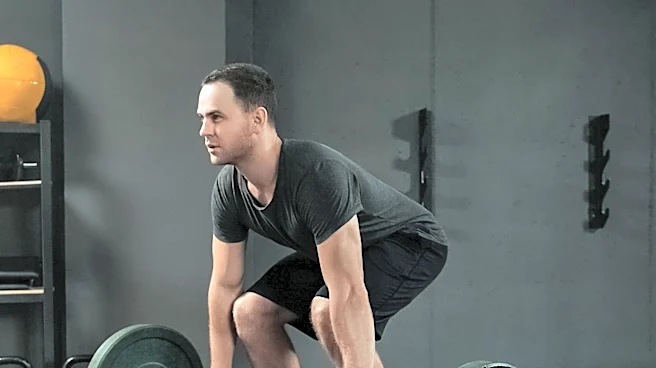
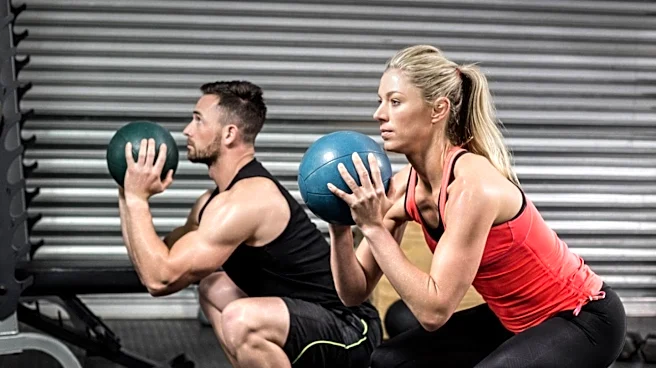
of a joint through its full range. This type of training integrates stretching with active movement and strengthening at the end of the range of motion, which directly translates to better performance in daily activities like walking, squatting, and sports. Exercises such as standing hip circles, 90/90 hip switches, and deep squat holds are recommended to enhance hip mobility. The approach emphasizes that range gained through stretching is more effectively maintained when new positions are strengthened. This combination of mobility and strength work, ideally two to three times a week, is considered a beneficial long-term target for overall physical well-being.
Why It's Important?
The emphasis on mobility training is important because it addresses a common deficit in modern lifestyles, particularly for individuals who spend extended periods sitting. Prolonged sitting can lead to shortened hip flexors and reduced use of the hip's full range of motion, contributing to stiffness and potential pain in the lower back and knees. By improving hip mobility, individuals can alleviate strain on these compensatory joints. For older adults, mobility and strength training are vital for maintaining independence, reducing the risk of falls, and supporting bone health. Desk workers, runners, cyclists, and individuals with mild hip or lower back stiffness stand to gain significantly from incorporating mobility exercises into their routines, as it can enhance movement quality and overall physical confidence.
What's Next?
Individuals can begin incorporating a 10-minute daily mobility routine, ideally after a short warm-up, to see improvements within a few weeks. This routine could include exercises like hip circles, 90/90 switches, kneeling hip flexor stretches, deep squat holds, and lateral lunges. To sustain these gains, it is recommended to add strength training two to three times a week, focusing on exercises like squats, lunges, step-ups, side-lying leg raises, and single-leg balance work. For those experiencing severe pain, inability to bear weight, or other concerning symptoms, consulting a doctor is advised to rule out underlying joint problems such as arthritis or labral tears. Continued research and awareness campaigns are likely to further integrate mobility training into general fitness and rehabilitation programs.
Beyond the Headlines
The distinction between flexibility and mobility highlights a deeper understanding of functional movement and its impact on long-term health. Beyond the immediate physical benefits, improved mobility can foster a greater sense of body awareness and confidence in performing everyday tasks, which is particularly crucial for an aging population. The integration of strengthening within the newly gained range of motion underscores a holistic approach to physical conditioning, moving beyond isolated stretches to a more dynamic and practical application of movement. This shift in perspective can lead to more effective and sustainable fitness practices, potentially reducing the incidence of chronic pain and improving the quality of life for a broad demographic.