


What's Happening?
Volkswagen Group of America and its subsidiary, Scout Motors, are facing a lawsuit from the California New Car Dealers Association. The association alleges that Scout's direct-to-consumer sales model violates California's dealer law, specifically Vehicle
Code section 11713.3(o)(1), which prohibits licensed manufacturers and distributors from competing with their franchised dealers in new-vehicle sales, including indirectly through an affiliate. On October 22, Chief Judge Cynthia Bashant of the U.S. District Court for the Southern District of California denied motions by Volkswagen Group of America and Scout Motors to dismiss the lawsuit. The court had previously ruled on March 30 that a shared parent company is sufficient to establish an affiliate relationship, meaning Scout, being wholly owned by Volkswagen International America (the same parent as Volkswagen Group of America), could be considered an affiliate. Volkswagen Group of America had argued that this broad interpretation of the statute violated due process and common law regarding corporate separation, but the court rejected these arguments as an untimely motion for reconsideration.
Why It's Important?
This legal battle holds significant implications for the automotive industry in the U.S., particularly for manufacturers exploring direct-sales models. California, as the most populous state, represents a crucial market, and the outcome of this case could set a precedent for how other states interpret similar dealer franchise laws. If the California New Car Dealers Association prevails, it could force Scout and Volkswagen to either adopt a traditional dealership model in California, restructure their ownership to avoid the 'affiliate' designation, or potentially forgo sales in the state. This would impact consumer choice by limiting direct purchasing options and could reinforce the traditional dealership network's power. The case also highlights the ongoing tension between established dealer networks and new market entrants or strategies that seek to bypass them, reflecting a broader shift in how vehicles are sold and distributed.
What's Next?
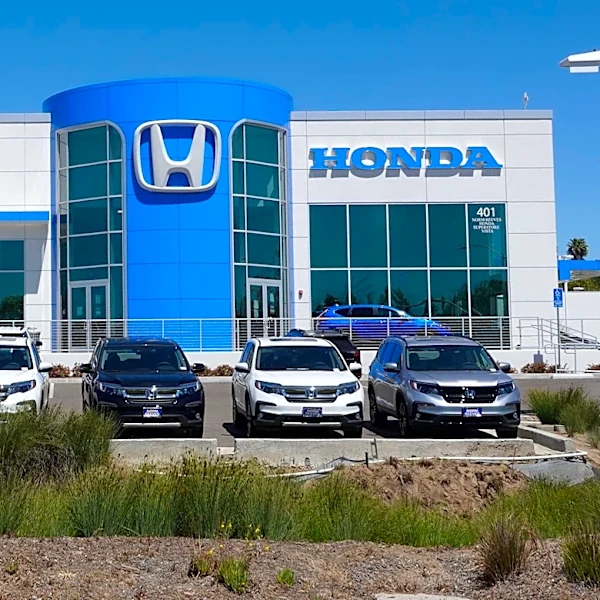
The case is proceeding to discovery, with the court having refused to pause it while the motions for judgment on the pleadings were pending. The next significant step will be summary judgment or trial. The California New Car Dealers Association is seeking a declaration that Scout's model violates the state law, along with preliminary and permanent injunctions and restitution. Scout's current plan is to begin delivering vehicles in 2028 from its South Carolina plant, meaning a ruling could occur before any California customers receive a vehicle. The court's decision will clarify the boundaries of 'affiliate' in California's vehicle code, potentially influencing similar legal challenges against other automakers exploring direct sales, such as American Honda, which is involved in a separate but related case.
Beyond the Headlines
The legal challenge against Volkswagen Group of America and Scout Motors underscores a fundamental conflict between traditional automotive retail models and evolving consumer preferences for direct purchasing. Beyond the immediate legal and financial implications for the involved parties, this case touches upon broader themes of market disruption, regulatory adaptation, and consumer access. The automotive industry is undergoing a significant transformation, driven by electric vehicles and digital sales platforms. The outcome in California could either accelerate or impede these changes, influencing investment decisions in direct-sales infrastructure versus traditional dealerships. It also raises questions about the role of state-level regulations in shaping national market dynamics and the balance of power between manufacturers and their franchised dealers in a rapidly changing economic landscape.