






What's Happening?
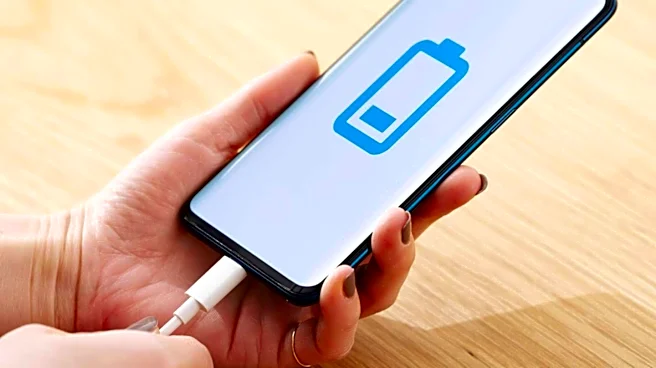
Every iPhone, from its original model to current versions, incorporates a built-in rechargeable lithium-ion battery. This technology is chosen for its high energy density, allowing for slim device designs, and its ability to handle fast and partial charging.
While the exact cell size and internal layout vary by iPhone model, the underlying lithium-ion battery technology remains consistent. Apple's official description refers to these as lithium-ion, though some third-party specifications might use 'lithium-polymer' due to the use of polymer-based separators or electrolyte systems in modern pouch cells. The iPhone's battery management system (BMS) monitors charge levels, temperature, and power demand, with iOS adjusting charging and performance to protect the battery. Key recommendations for care include charging when convenient, using compatible power sources, ensuring ventilation, and removing cases if the device becomes unusually warm during charging.
Why It's Important?
The widespread use of lithium-ion batteries in iPhones and other consumer electronics has significant implications for U.S. consumers regarding device longevity, safety, and environmental impact. Understanding how these batteries function and how to properly care for them can extend the lifespan of devices, reducing the frequency of replacements and contributing to less electronic waste. The emphasis on avoiding excessive heat during charging and using appropriate accessories is crucial for preventing battery degradation and potential safety hazards. For the technology industry, Apple's approach to battery management and user education sets a precedent for responsible product design and consumer engagement, influencing how other manufacturers develop and market their devices. This also impacts the repair industry, as battery health is a primary factor in device performance and repair needs.
What's Next?
Apple continues to refine its battery management features, such as 'Optimized Battery Charging,' which delays charging past 80% until closer to when the user needs the device, and the option on iPhone 15 and later to set a charge limit between 80% and 100%. These features aim to reduce battery stress and prolong its chemical lifespan. Consumers can expect ongoing advancements in battery technology, potentially leading to even greater energy density, faster charging, and improved longevity. The focus on user education regarding battery care will likely intensify, with more intuitive in-device tools and recommendations. As battery technology evolves, so too will the best practices for charging and maintenance, requiring consumers to stay informed to maximize their device's performance and lifespan.
Beyond the Headlines
The reliance on lithium-ion batteries in ubiquitous devices like iPhones highlights broader societal trends in technology consumption and sustainability. The 'chemical aging' of batteries, which gradually reduces capacity over time, contributes to the planned obsolescence debate and the growing challenge of electronic waste. Apple's efforts to extend battery life through software optimizations and user guidance reflect a move towards greater product sustainability, albeit within the constraints of current battery chemistry. This also raises ethical questions about resource extraction for battery components and the environmental impact of manufacturing and disposal. The continuous innovation in battery technology is not just about better performance but also about addressing these complex environmental and ethical considerations, pushing for more sustainable and circular approaches in the electronics industry.