







What's Happening?
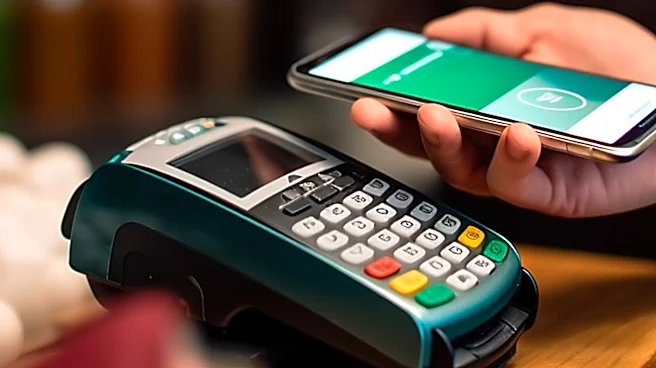
The mobile payments market is experiencing significant growth, with digital wallets becoming the default payment method for many consumers. Companies like PayPal, Shopify, and Mastercard are at the forefront of this transformation, expanding their capabilities
through new products, technology investments, and strategic partnerships. PayPal, through its PayPal and Venmo apps, enables users to shop, transfer funds, and pay merchants without physical cards. Shopify supports mobile payments via Shop Pay and Shopify Payments, facilitating faster checkouts and contactless transactions for merchants. Mastercard, a major enabler, connects banks, merchants, and digital wallets globally, with contactless payments representing 80% of in-person switched purchase transactions. The global mobile payments market is projected to reach $46.62 trillion by 2034, growing at an annual rate of 28% from 2026 to 2034. This surge is driven by increased smartphone usage, better internet access, and the convenience offered by digital payment solutions.
Why It's Important?
The rapid adoption of mobile payments signifies a fundamental shift in consumer behavior and retail operations. For U.S. industries, this trend means increased efficiency in transactions, reduced reliance on cash, and enhanced customer experiences. Businesses that integrate mobile payment solutions can benefit from faster payment processing, broader customer reach, and improved security through features like tokenization and biometric checks. Companies like PayPal, Shopify, and Mastercard are poised to gain significantly from this market expansion, as their platforms are integral to facilitating these digital transactions. Conversely, businesses slow to adapt to these changes risk losing market share and customer loyalty. The growth also highlights the increasing importance of cybersecurity and fraud detection, as AI is being leveraged to spot unusual transactions and make authentication smoother, impacting financial institutions and technology providers.
What's Next?
The mobile payments market is expected to continue its robust growth trajectory, with further innovations in technology and broader adoption across various sectors. Key developments will include the integration of stablecoins and blockchain for cross-border transfers, the expansion of real-time bank payments, and the increasing use of AI for agentic commerce, where AI assistants will search for products and complete purchases. Companies will likely focus on enhancing interoperability between devices and platforms, improving user education on security measures, and developing cost-effective hardware for small businesses. Regulatory changes and cybersecurity threats will remain critical challenges, requiring continuous adaptation and investment from payment providers and financial institutions. The market will also see continued competition among major players and emerging innovators to offer more integrated and seamless payment experiences.
Beyond the Headlines
The shift towards mobile payments has deeper implications beyond mere transaction convenience. It represents a move towards a more cashless society, which can have significant societal impacts, including financial inclusion for unbanked populations through mobile-first solutions and potential challenges for those without access to digital technology. The reliance on digital wallets and mobile apps also raises questions about data privacy and the concentration of financial power among a few tech giants. The ethical considerations of AI in payment processing, particularly concerning fraud detection and personalized purchasing, will become more prominent. Furthermore, the global nature of mobile payment adoption, as seen with PayPal's expansion into Weixin Pay merchants in China, indicates a growing interconnectedness of global economies and payment ecosystems, potentially reshaping international trade and financial flows. This evolution also underscores the importance of digital literacy and access to technology as essential components of modern economic participation.