






What's Happening?
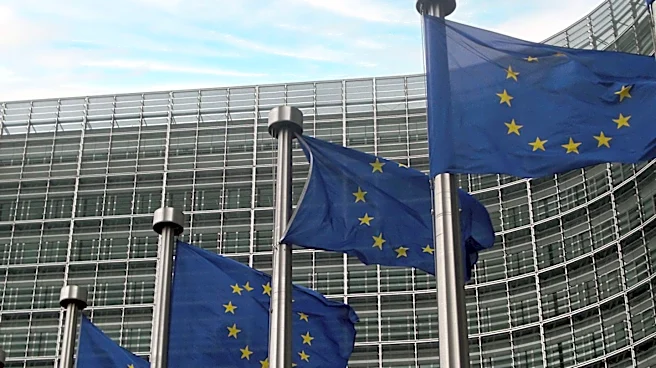
Seven European Union countries—Bulgaria, Estonia, Latvia, Lithuania, Poland, Romania, and Slovakia—have formally requested financial assistance from the EU's proposed €2 trillion Multiannual Financial Framework (MFF) to bolster their tourism sectors.
These nations, situated along the EU's eastern border, are experiencing significant declines in tourism due to geopolitical tensions and security concerns stemming from Russia's full-scale invasion of Ukraine. In a letter addressed to European Commissioners Apostolos Tzitzikostas and Raffaele Fitto, the tourism and finance ministers of these countries highlighted a considerable reduction in tourist flows and diminished investor confidence. Small and medium-sized enterprises (SMEs) in these regions are particularly affected, facing operational uncertainty and limited access to finance during crucial seasonal periods. The ministers are advocating for the inclusion of proximity to conflict zones as a factor in the upcoming EU Strategy for Sustainable Tourism, emphasizing the unique challenges faced by their frontline regions.
Why It's Important?
The request for EU funding underscores the significant economic impact of geopolitical instability on specific sectors, even in regions not directly involved in conflict. For the U.S., this situation highlights the broader economic ramifications of international conflicts and the interconnectedness of global economies. A weakened European tourism sector, particularly in countries bordering Russia and Ukraine, could indirectly affect U.S. businesses with investments or partnerships in these regions. Furthermore, the decline in tourism revenue impacts local economies, potentially leading to job losses and reduced economic activity, which could create ripple effects across supply chains and trade relationships. The call for an EU-wide solution also signals a recognition that such challenges require collective action, potentially influencing future international aid and economic support frameworks that the U.S. might participate in or contribute to. The situation also serves as a case study for how security concerns can directly translate into economic vulnerabilities, a lesson relevant for U.S. foreign policy and economic strategy.
What's Next?
The European Commission has confirmed receipt of the letter from the seven frontline EU countries and stated that a response will be provided 'in due course.' Brussels is currently undertaking preparatory work for its upcoming EU Strategy for Sustainable Tourism, and the challenges faced by these frontline regions are being considered as part of this process. The ministers have expressed their commitment to engaging in constructive dialogue regarding the development of this strategy, aiming to ensure a resilient, competitive, and sustainable tourism sector across the EU. It is anticipated that the EU's response will address the specific financial and strategic support mechanisms that could be implemented to mitigate the adverse effects on tourism in these vulnerable regions. The outcome of these discussions could set a precedent for how the EU addresses economic fallout from geopolitical crises in the future, potentially influencing the allocation of funds and the scope of tourism policies.
Beyond the Headlines
Beyond the immediate economic concerns, this situation highlights the psychological and emotional impact of geopolitical tensions on civilian life and economic activity. The mention of drone incursions in Latvian airspace, even if not directly causing physical harm, instills fear and uncertainty, directly affecting tourist behavior. This demonstrates how perceived security risks, rather than just actual conflict, can significantly disrupt industries reliant on public confidence, such as tourism. The shift in target markets, with Latvia now looking to attract visitors from countries like Japan, Canada, and the United States, indicates a broader reorientation of tourism strategies in response to changing geopolitical realities. This could lead to long-term shifts in international travel patterns and marketing efforts. The situation also raises ethical considerations regarding the responsibility of international bodies like the EU to support regions disproportionately affected by conflicts on their borders, even if those conflicts are external to the bloc's direct involvement.