
What's Happening?
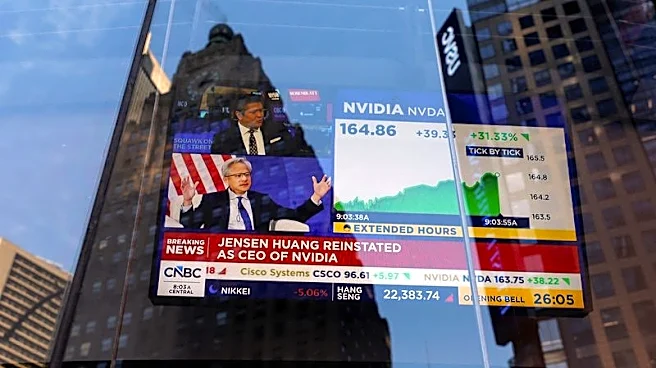
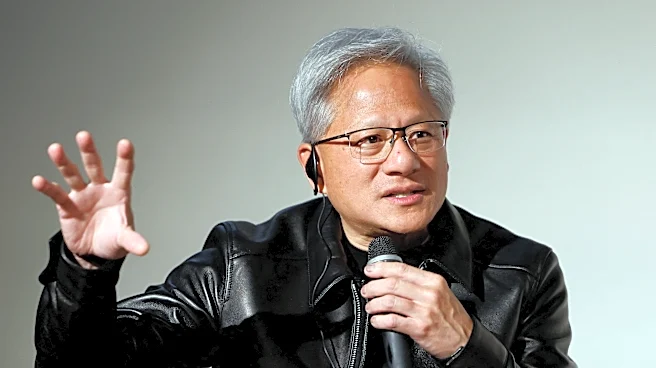
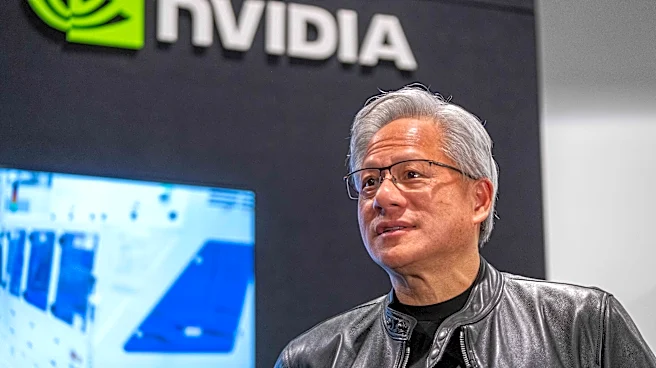
Nvidia CEO Jensen Huang recently held an all-hands meeting upon his return to the company, addressing various topics including remorse, therapy, and the company's code of conduct. A key point of discussion
was succession planning, which Huang reportedly stated is unnecessary for Nvidia due to its unique business model. This stance was reiterated from previous interviews, including one with podcaster Lex Fridman in March. Huang argued that implementing a formal succession plan would create an unnecessary hierarchy within the organization. Nvidia operates with a flat structure, with Huang at the top managing approximately 60 direct reports. The company's executive team consists of only five officers: Huang, CFO Colette Kress, Ajay Puri (head of worldwide field operations), Debora Shoquist (executive vice president of operations), and Timothy Teter (executive vice president and general counsel). This organizational philosophy contrasts with many other large corporations that typically feature extensive C-suite executives and multiple management layers.
Why It's Important?
Jensen Huang's continued rejection of a formal succession plan carries significant implications for Nvidia, particularly concerning corporate governance and investor confidence. The issue of succession planning became particularly prominent after Huang's recent resignation and subsequent return, which highlighted the company's reliance on his leadership. Investors and analysts often view a clear succession strategy as crucial for long-term stability and risk mitigation, especially for a company as influential in the tech sector as Nvidia. Huang's argument that a succession plan creates unnecessary hierarchy suggests a belief in a more agile, product-focused organizational design. However, this approach could raise concerns among shareholders and the board about leadership continuity and potential disruptions should Huang become unable to lead. The company's flat structure, while potentially fostering innovation and direct communication, also centralizes significant power and decision-making in Huang, making the absence of a succession plan a notable risk factor.
What's Next?
Despite Jensen Huang's firm stance, the topic of succession planning is likely to remain a point of discussion and potential pressure from Nvidia's board and shareholders. While Huang has publicly defended his organizational philosophy, the company's governance structure may face increased scrutiny, especially given recent events. It is plausible that investors and corporate governance advocates will continue to push for greater transparency and a more formalized approach to leadership transition. The board may need to consider how to address these concerns to maintain investor confidence and ensure long-term stability. Future earnings calls or shareholder meetings could see renewed questions regarding this issue. Nvidia may also explore alternative strategies to ensure leadership continuity that align with Huang's vision of a flat organization, without necessarily adopting a traditional succession plan, such as developing a strong, empowered leadership team capable of stepping up if needed.
Beyond the Headlines
The debate over Nvidia's succession planning extends beyond immediate corporate governance to broader philosophical questions about leadership in rapidly evolving technology companies. Huang's perspective challenges conventional corporate structures, suggesting that traditional hierarchies can stifle innovation and efficiency. This approach reflects a Silicon Valley ethos that often prioritizes agility and direct leadership over bureaucratic processes. However, it also highlights the 'key person risk' associated with founder-led companies, where the departure of a charismatic and visionary leader can create significant instability. The long-term success of Nvidia's model without a formal succession plan could either validate Huang's unconventional approach or serve as a cautionary tale. It also raises ethical considerations regarding corporate responsibility to stakeholders, who often expect robust governance frameworks to protect their investments. The company's ability to navigate future leadership transitions will be a critical test of its unique organizational design.