



What's Happening?
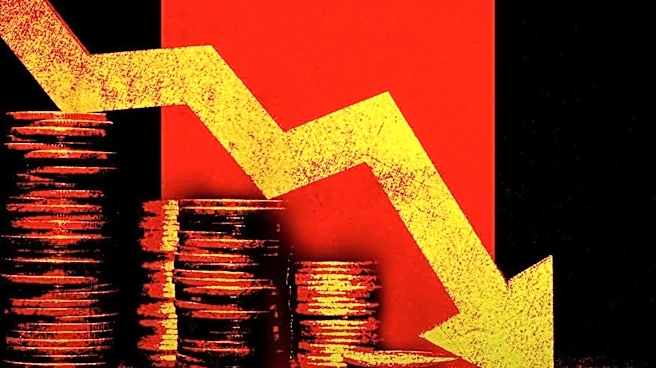
Japan Tobacco (JT) anticipates a special loss exceeding 1.3 trillion yen, approximately 8.6 billion dollars, for the fiscal year ending December. This projection follows the company's loss of effective management control over all its group companies in Russia.
Earlier this month, President Vladimir Putin issued two decrees that placed JT's seven Russian subsidiaries, which produce and sell tobacco products, under the temporary administration of a Russian company. As a direct consequence, JT has deconsolidated its Russian operations, meaning the revenues and assets of these entities will no longer be included in its balance sheet. This strategic accounting adjustment has led the Japanese firm to forecast an annual net loss of 724 billion yen, or roughly 4.5 billion dollars. Despite these financial implications, JT has stated that it is not relinquishing legal ownership of its companies nor withdrawing from the Russian market, indicating an intent to continue business operations in the country.
Why It's Important?
This development highlights the increasing risks and complexities faced by international corporations operating in Russia amidst geopolitical tensions. President Putin's decrees to place foreign-owned assets under temporary administration represent a significant challenge to the stability and predictability of foreign investment in the country. For Japan Tobacco, the substantial financial loss underscores the direct economic impact of such governmental actions on multinational enterprises. The decision to deconsolidate its Russian operations, while maintaining legal ownership, reflects a strategic attempt to mitigate further financial exposure and comply with international accounting standards, even as the company expresses its intention to remain in the market. This situation could set a precedent or signal a broader trend for other foreign companies with significant assets in Russia, potentially leading to further re-evaluations of their operational strategies and financial reporting.
What's Next?
Japan Tobacco will proceed with its revised financial forecasts, reflecting the deconsolidation of its Russian assets. The company's stated intention to continue doing business in Russia, despite losing management control, suggests it will likely explore legal and diplomatic avenues to regain operational authority or protect its long-term interests. Other international companies with operations in Russia will closely observe JT's situation, potentially reassessing their own risk exposure and contingency plans. The Russian government's actions could prompt further scrutiny from international bodies and governments regarding the protection of foreign investments. The long-term implications for foreign direct investment in Russia remain uncertain, as companies weigh the risks of operating under such conditions against the potential for future market access and profitability.
Beyond the Headlines
The situation with Japan Tobacco in Russia extends beyond immediate financial losses, touching upon broader themes of national sovereignty, international business law, and the evolving landscape of global commerce. The Russian government's move to place foreign assets under temporary administration can be interpreted as a strategic maneuver to assert economic control and potentially leverage foreign companies in geopolitical contexts. This action raises fundamental questions about the sanctity of international business agreements and property rights in an era of heightened geopolitical friction. For multinational corporations, it underscores the imperative of robust risk assessment frameworks that account for political and regulatory volatility, not just market dynamics. The ongoing saga could contribute to a re-evaluation of global supply chains and investment strategies, pushing companies to diversify their geographical footprint to mitigate risks associated with state intervention and political instability.