






What's Happening?
Front yards in San Diego County are undergoing a significant transformation, evolving from purely ornamental spaces into functional, community-focused, and ecologically beneficial areas. This shift is driven by a desire to rebuild connection in an increasingly
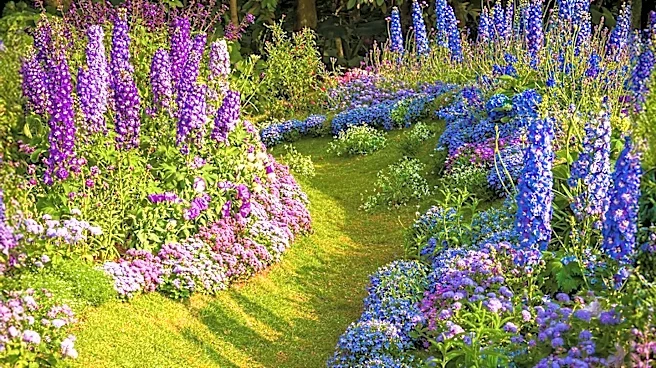
isolated culture, find beauty amidst anxiety, and create systems friendly for local wildlife. Landscape designers like Andrea Doonan emphasize native landscapes, edible gardens, and usable outdoor seating areas, moving away from sterile designs. Homeowners are replacing turf with native plants, adding fruit trees, and creating spaces that attract birds, bees, and lizards. This movement is seen as a form of 'social repair,' where front yards become 'a handshake to your neighbors and passersby,' signaling openness and fostering community interaction through shared produce, seed libraries, and impromptu gatherings.
Why It's Important?
This trend in San Diego's front yards is important because it addresses several critical societal and environmental issues. Ecologically, the adoption of native and climate-appropriate plantings supports local biodiversity, which is crucial for San Diego, recognized as a 'biodiversity hotspot.' Socially, these transformed front yards combat isolation by creating visible, inviting spaces that encourage neighborly interaction and community building. This shift challenges traditional notions of private property by making front yards more accessible and communal, fostering a sense of shared ownership and responsibility for the local environment. Economically, it could lead to increased demand for sustainable landscaping services, native plants, and local produce, supporting green businesses and promoting a more localized food system.
What's Next?
The movement towards community-focused and ecological front yards is expected to continue growing in San Diego and potentially inspire similar transformations in other urban and suburban areas. Landscape designers will likely further integrate ecological principles with social design, creating spaces that are both aesthetically pleasing and functionally beneficial for both humans and wildlife. The concept of 'guerilla gardening' and the creation of 'pocket parks' in overlooked public spaces may also gain traction, further blurring the lines between private and public green areas. Homeowners and renters will likely continue to seek ways to 'unplug and ground' by connecting with nature in their immediate surroundings, leading to more personalized and environmentally conscious outdoor spaces. This trend could also influence urban planning and zoning regulations to encourage more sustainable and community-oriented landscape designs.
Beyond the Headlines
The transformation of front yards into communal, ecological spaces reflects a deeper yearning for connection and a re-evaluation of our relationship with nature in urban environments. It challenges the traditional American ideal of the manicured, private lawn, suggesting a shift towards a more collective and interdependent way of living. The act of sharing produce, creating seed libraries, and simply sitting in the front yard to interact with neighbors can be seen as a form of quiet activism, pushing back against social isolation and fostering a sense of belonging. This movement also highlights the therapeutic benefits of gardening and being in nature, linking mental well-being to environmental stewardship. Ultimately, these small design choices in front yards could ripple outward, contributing to a more resilient, connected, and ecologically conscious society.