







What's Happening?
As college students prepare for move-in day, a range of smart devices is being highlighted for their potential to enhance dorm life. These devices include the Lepro A1 table lamp, Google Home speaker, Tapo smart surge protector, Amazon Echo Spot, Aqara
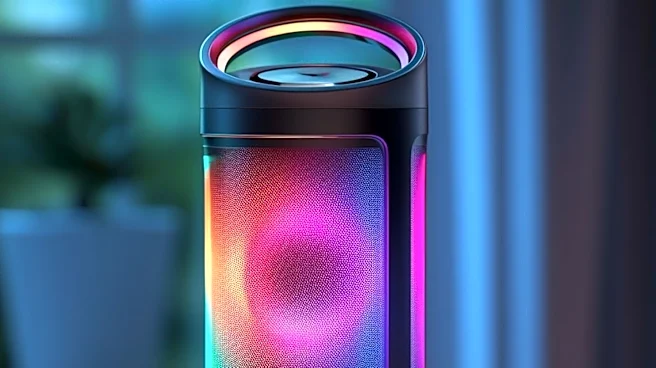
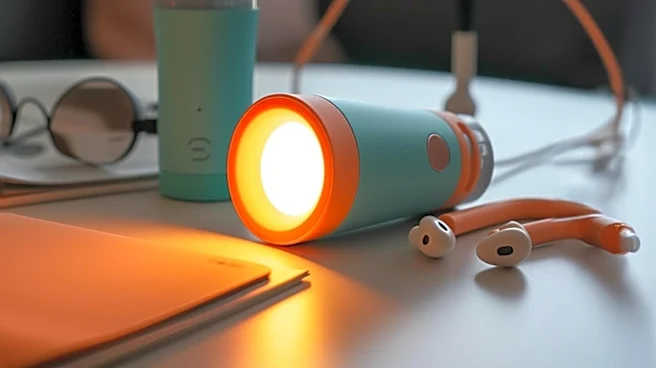
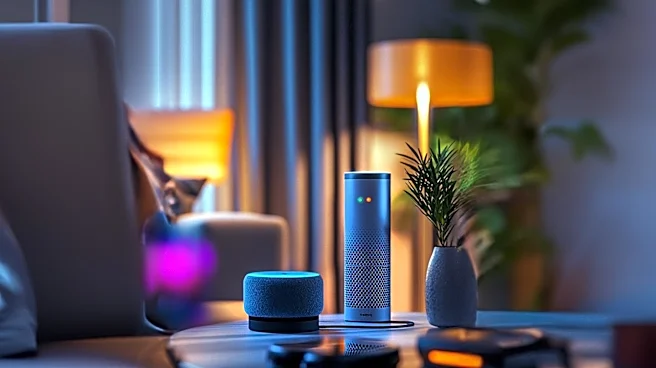
P100 multipurpose sensor, Wiz Connected Color smart bulb, and Lockly Wi-Fi smart safe. Each device offers unique features that cater to the needs of students living in compact spaces. The Lepro A1 table lamp, for instance, uses AI to create various light schemes, while the Google Home speaker provides robust sound and integrates with multiple streaming services. The Tapo smart surge protector allows remote control of connected devices, and the Amazon Echo Spot functions as a smart alarm clock. Security is enhanced with the Aqara P100 sensor, which alerts users to opened or closed items, and the Lockly Wi-Fi smart safe offers biometric security in a compact form. These devices are designed to be user-friendly and do not require ongoing subscriptions, making them accessible for students.
Why It's Important?
The integration of smart devices into college dorms represents a significant shift in how students can manage their living spaces. These technologies offer convenience, security, and enhanced functionality, which can improve the quality of life for students. The ability to control lighting, sound, and security remotely or through voice commands simplifies daily routines and enhances the overall living experience. Additionally, these devices can help students manage their time more effectively with features like reminders and timers. The affordability and ease of use of these devices make them particularly appealing to students who may be budget-conscious and new to smart home technology. As technology continues to evolve, the adoption of such devices in dorms could set a precedent for future living arrangements, emphasizing the importance of smart technology in everyday life.
What's Next?
As the academic year progresses, it is likely that more students will adopt smart devices in their dorms, leading to increased demand for innovative and affordable technology solutions. Manufacturers may respond by developing new products tailored specifically for small living spaces, focusing on multifunctionality and ease of use. Universities might also consider integrating smart technology into their housing offerings, potentially providing students with pre-installed devices as part of their accommodation packages. This trend could also influence the broader market for smart home devices, encouraging further innovation and competition among tech companies. As students become more accustomed to using these technologies, they may carry these preferences into their post-college lives, driving long-term changes in consumer behavior and expectations.