




What's Happening?
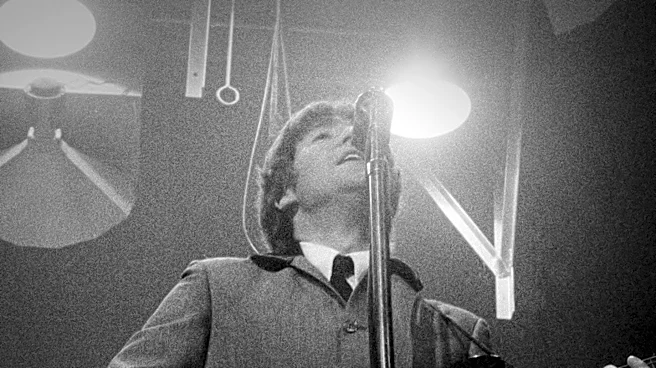
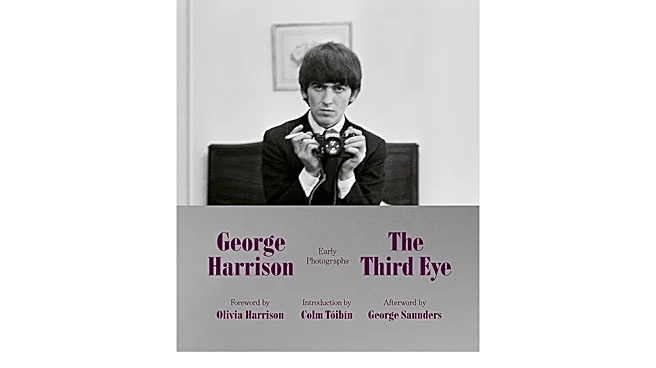
During a 1974 press conference, George Harrison stated that he would have preferred to form a new band with John Lennon rather than Paul McCartney, despite acknowledging McCartney as a fine bass player. Harrison expressed that McCartney could be 'a bit
overpowering at times' from a musical perspective. He also praised Ringo Starr for having 'the best backbeat I’ve ever heard.' Harrison's comments came as he was promoting his 'Dark Horse' tour, making it clear that a Beatles reunion held little appeal for him. He had already collaborated with Lennon on the latter's 1971 solo album, 'Imagine,' contributing lead and slide guitar, which demonstrated their continued musical chemistry. This preference highlights the complex dynamics within The Beatles following their 1970 breakup, particularly Harrison's desire for more creative autonomy after years of being overshadowed by the Lennon-McCartney songwriting partnership.
Why It's Important?
This revelation from George Harrison offers significant insight into the internal relationships and musical preferences among The Beatles members post-breakup. It underscores the creative tensions that contributed to the band's split and the individual artistic paths each member sought. Harrison's candid remarks about McCartney's 'overpowering' nature shed light on the challenges of collaboration within such a high-profile group, particularly for a songwriter who was increasingly finding his own voice. For fans and music historians, these comments provide a deeper understanding of the personal and professional dynamics that shaped the solo careers of the former Beatles. It also reinforces the narrative of Harrison's artistic growth and his desire to work with musicians who fostered a more balanced creative environment, as evidenced by his successful solo career and collaborations like the Traveling Wilburys.
What's Next?
While George Harrison's comments were made in 1974, their enduring relevance lies in how they continue to shape the historical narrative of The Beatles. There are no direct 'next steps' in terms of future collaborations, given that both Harrison and Lennon have passed away. However, these insights continue to influence how music critics, biographers, and fans interpret the band's legacy and the individual contributions of its members. The ongoing analysis of their solo works often references these underlying dynamics. Future documentaries, books, or retrospectives about The Beatles and their individual careers will likely continue to explore these personal and musical preferences, offering new generations a nuanced view of one of the most influential bands in history.
Beyond the Headlines
Harrison's preference for collaborating with Lennon over McCartney extends beyond mere musical taste; it reflects deeper themes of creative control, artistic identity, and the struggle for individual expression within a highly successful collective. His feeling of being overshadowed by the Lennon-McCartney songwriting duo during The Beatles' active years likely fueled his desire for a more egalitarian creative partnership. This sentiment resonates with many artists who navigate the complexities of group dynamics versus individual ambition. The statement also subtly critiques the power structures within bands, where certain members can dominate the creative process. It highlights the psychological impact of such dynamics on artists, even those at the pinnacle of global fame, and underscores the importance of mutual respect and balanced collaboration for long-term artistic fulfillment.