




What's Happening?
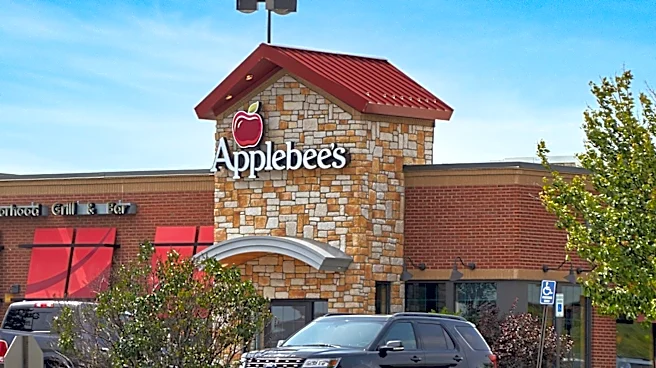
Miller Apple, a franchisee operating 21 Applebee's restaurants across mid and Northern Michigan since 1993, is offering extensive benefits and career growth opportunities for Restaurant Managers. The company provides a bonus potential of up to $25,000
annually, with eligibility every four weeks. Managers receive paid time off for four major holidays: Easter, Thanksgiving, Christmas Eve, and Christmas Day. The work schedule is structured to include two five-day work weeks and two 4.5-day work weeks within each four-week period, with additional pay for working a sixth day. Benefits packages include medical, dental, vision, disability insurance, meals, and a 401(k) retirement plan. Employees can accrue up to five weeks of vacation annually, with the first week available after just four months of employment. Additionally, two weeks of paid sick leave are provided each year, along with paid days off for bereavement, maternity, and paternity leave. The company also covers the cost of manager uniforms, including shirts, pants, shoes, belts, and hats. This initiative aims to attract and retain experienced restaurant management talent.
Why It's Important?
This comprehensive benefits package from an Applebee's franchisee highlights a growing trend in the restaurant industry to enhance employee retention and attract skilled labor. In a competitive job market, offering substantial financial incentives, generous paid time off, and robust health and retirement benefits can significantly differentiate an employer. For the U.S. restaurant sector, which often faces high turnover rates, such initiatives can lead to more stable workforces, improved service quality, and increased operational efficiency. Employees stand to gain from better work-life balance, financial security, and career development opportunities, which can elevate the perception of restaurant management as a viable long-term career. This approach could also set a precedent for other franchisees and restaurant chains, potentially driving up industry-wide standards for employee compensation and benefits, ultimately benefiting a broader segment of the service industry workforce.
What's Next?
The success of Miller Apple's enhanced benefits program could influence other Applebee's franchisees and potentially other casual dining chains to re-evaluate their own compensation and benefits structures. If this strategy proves effective in reducing turnover and attracting high-caliber managers, it may lead to a broader industry shift towards more competitive employee offerings. Prospective restaurant managers may increasingly seek out employers who provide similar comprehensive packages, putting pressure on companies with less attractive benefits to adapt. This could also lead to increased competition for talent within the restaurant management sector, potentially driving up wages and benefits across the board. The focus on work-life balance, such as paid holidays and structured work weeks, might also become a more prominent factor in recruitment efforts, reflecting evolving employee expectations in the post-pandemic labor market.
Beyond the Headlines
This move by an Applebee's franchisee reflects a deeper understanding of the evolving labor market dynamics and employee expectations, particularly in the service industry. Beyond the immediate benefits, it signals a potential long-term shift in how restaurant businesses view and invest in their human capital. By offering extensive benefits, companies are not just filling roles but are investing in the well-being and professional growth of their employees, which can foster greater loyalty and commitment. This approach could contribute to professionalizing the restaurant management career path, making it more appealing to individuals seeking stability and advancement. Ethically, it aligns with principles of fair labor practices and employee welfare, potentially improving the overall reputation of the restaurant industry. Culturally, it challenges the traditional perception of service industry jobs as temporary or low-benefit, paving the way for a more sustainable and equitable employment model.