









What's Happening?
Electric vehicle manufacturer Rivian has announced the layoff of hundreds of employees within its service and customer organization. This decision affects less than 2% of its workforce, which was approximately 15,200 employees at the end of 2025. The
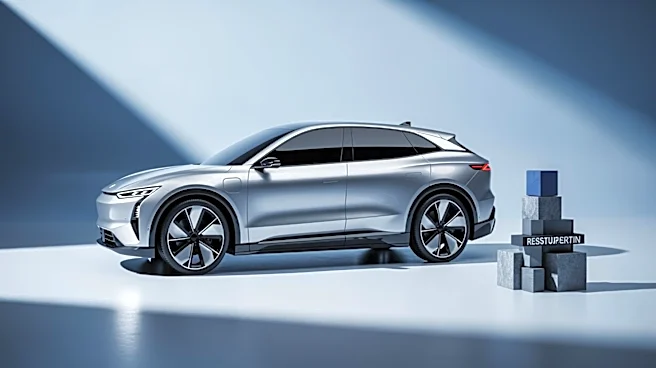
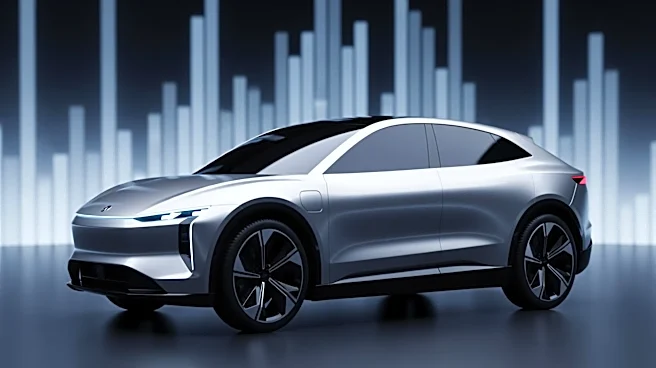
layoffs are part of a restructuring effort aimed at profitably scaling the business. The affected employees are encouraged to apply for other open roles within the company. The layoffs coincide with the launch of Rivian's new R2 SUV, which is a significant part of the company's future product roadmap. The company has previously conducted layoffs, including a reduction of over 600 jobs in October, due to decreased demand following the expiration of EV tax credits. Rivian is also investing in research and development to advance its autonomous driving capabilities.
Why It's Important?
The layoffs at Rivian highlight the challenges faced by electric vehicle manufacturers in balancing growth and profitability. As Rivian restructures to improve efficiency, the move reflects broader industry trends where companies are adapting to changing market conditions and consumer demands. The layoffs could impact employee morale and the company's public image, but they are also a strategic step towards achieving long-term financial stability. Rivian's focus on developing more affordable vehicle models and enhancing autonomous driving technology indicates its commitment to expanding its market share and staying competitive in the evolving automotive industry.
What's Next?
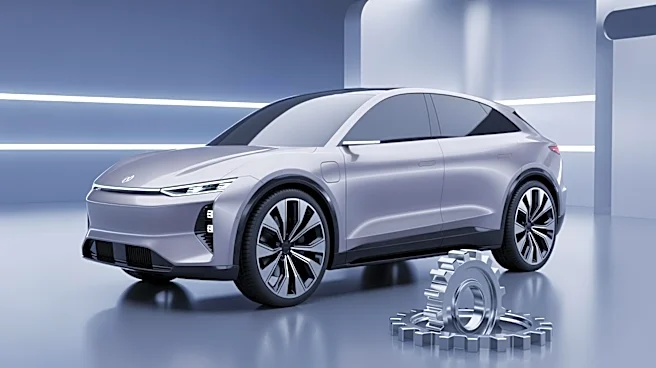
Rivian's future plans include the release of more affordable versions of the R2 SUV to broaden its customer base and improve sales. The company is also increasing its investment in research and development to accelerate its autonomous driving roadmap. As Rivian navigates these changes, it will be crucial to monitor how the market responds to its new product offerings and restructuring efforts. The company's ability to achieve profitability and meet its financial targets will be closely watched by investors and industry analysts.