



What's Happening?
Abraham Shafi, co-founder and former CEO of the now-defunct social media startup IRL, is facing a challenging legal battle in his attempt to argue that Northern California's federal prosecutors are conflicted from pursuing his criminal fraud charges.
During a hearing on Monday in Oakland, California, Judge Yvonne Gonzalez Rogers expressed skepticism regarding Shafi's argument. Shafi contends that his criminal case is irrevocably tainted because an attorney who previously represented his startup, Get Together Inc., later joined the same U.S. Attorney's office that filed the fraud charges against him. Shafi was indicted last year on charges of securities fraud and wire fraud following the implosion of the IRL app in 2023.
Why It's Important?
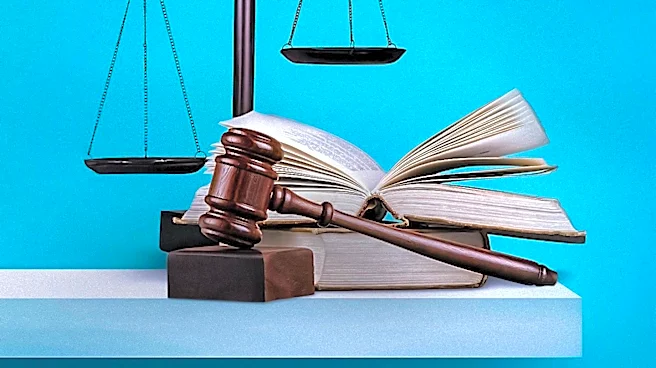
This case highlights critical legal principles concerning prosecutorial ethics and potential conflicts of interest, particularly in high-profile white-collar crime cases involving technology startups. If Shafi were successful in proving a conflict, it could lead to the disqualification of the prosecuting office, potentially delaying or even jeopardizing the government's case. This would set a significant precedent for how former private sector attorneys are integrated into government roles, especially when their previous work involved entities that later become subjects of federal investigation. The judge's initial skepticism suggests that proving such a conflict is a high bar, requiring clear evidence that the attorney's prior representation directly impacts the current prosecution in a way that compromises fairness or impartiality. The outcome will be closely watched by legal professionals and the tech industry, as it could influence how startups and their legal counsel manage potential future legal entanglements and how government agencies recruit from the private sector.
What's Next?
Following Judge Yvonne Gonzalez Rogers' skeptical stance, Abraham Shafi's legal team will need to present compelling evidence to overcome the high bar for proving prosecutorial conflict. This will likely involve detailed arguments and potentially further discovery to demonstrate how the attorney's prior representation of IRL directly creates an insurmountable conflict for the U.S. Attorney's office. If Shafi fails to convince the court, the criminal fraud charges against him for securities and wire fraud will proceed, leading to further legal proceedings, potentially including a trial. Conversely, if the court finds a conflict, it could result in the disqualification of the current prosecuting office, requiring a new team of prosecutors or even a different U.S. Attorney's office to take over the case. This would significantly alter the trajectory of the prosecution and could lead to substantial delays.
Beyond the Headlines
The legal challenge posed by Abraham Shafi extends beyond the immediate fraud charges, touching upon the ethical boundaries and professional mobility within the legal profession. The issue of an attorney moving from private practice, where they represented a company, to a government role where that same company or its founders become targets of investigation, raises fundamental questions about client confidentiality, attorney-client privilege, and the appearance of impropriety. This case could prompt a re-evaluation of existing ethical guidelines and screening processes for government attorneys, particularly those transitioning from roles involving corporate clients. It also underscores the inherent tension between the government's need to recruit experienced legal talent and the imperative to maintain absolute impartiality in criminal prosecutions. The outcome could influence how legal firms advise tech startups on potential future legal risks and how government agencies manage conflicts of interest to uphold public trust in the justice system.