








What's Happening?
Kelpi, a company specializing in sustainable packaging solutions, is utilizing seaweed-based coatings to substitute fossil fuel-derived plastics in various packaging applications. Hugo Adams, CEO of Kelpi, explained that the company combines seaweed carbohydrates
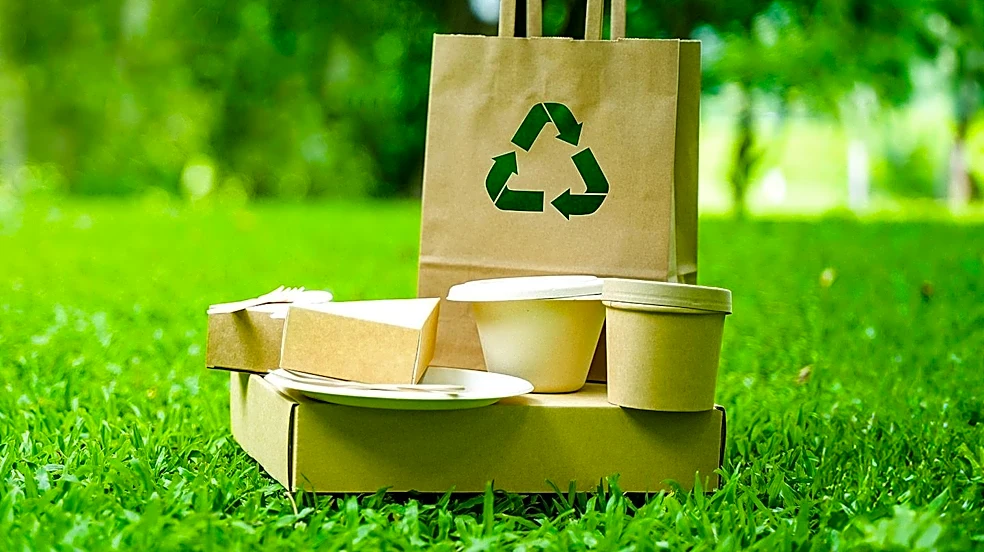
with vegetable oils to create high-performance barrier coatings. These coatings are designed for paper, card, and fiber packaging, making them recyclable and biodegradable. The initiative addresses the challenge of small-format flexible packaging, such as sachets and multilayer laminates, which are notoriously difficult to recycle and contribute significantly to plastic pollution. Kelpi's journey has progressed from research and development to industrial-scale production, emphasizing an agile team, collaborative manufacturing partners, and real-world testing. The company has also secured partnerships with major brands like L’Oréal and Amcor, achieved B Corp certification, and received U.S. FDA food-contact clearance, signaling the commercial viability of their biomaterials.
Why It's Important?
This development is crucial for the U.S. packaging industry and environmental sustainability efforts. The widespread adoption of seaweed-based coatings offers a viable alternative to traditional plastics, which are often derived from fossil fuels and contribute to environmental degradation. By providing recyclable and biodegradable packaging solutions, Kelpi's technology can help reduce plastic waste, particularly in hard-to-recycle categories like flexible packaging. This innovation can significantly impact consumer goods companies by enabling them to meet growing consumer demand for sustainable products and comply with evolving environmental regulations. Furthermore, the U.S. FDA food-contact clearance for Kelpi's materials opens doors for their use in food packaging, a sector with immense plastic consumption. The shift towards biomaterials can also foster a more circular economy, reducing reliance on finite resources and mitigating the environmental footprint of packaging across various industries.
What's Next?
The next steps for Kelpi and the broader sustainable packaging industry involve scaling up production and increasing market penetration of these seaweed-based solutions. Continued collaboration between biomaterial innovators like Kelpi and established brands and packaging manufacturers will be essential to accelerate the transition away from fossil fuel-based plastics. Further research and development will likely focus on expanding the range of applications for these materials and optimizing their performance and cost-effectiveness. Regulatory bodies may also play a role by incentivizing the adoption of sustainable packaging and potentially implementing stricter regulations on plastic use. As consumer awareness and demand for eco-friendly products grow, more companies are expected to invest in and adopt such innovative packaging solutions, leading to a broader transformation of the packaging landscape.
Beyond the Headlines
Beyond the immediate environmental benefits, the rise of seaweed-based packaging highlights a broader shift in industrial philosophy towards bio-economy and resource circularity. This innovation challenges the conventional linear model of production and consumption, promoting a more regenerative approach where materials are designed to be reused or returned to nature. Ethically, it addresses concerns about plastic pollution's impact on marine life and human health, offering a more responsible alternative. Culturally, it could influence consumer behavior, encouraging a greater appreciation for sustainable products and a deeper understanding of the environmental costs associated with traditional packaging. The success of companies like Kelpi could also spur further investment in biomaterials research, potentially leading to a new wave of sustainable innovations across various sectors, ultimately contributing to a more sustainable future.