





What's Happening?
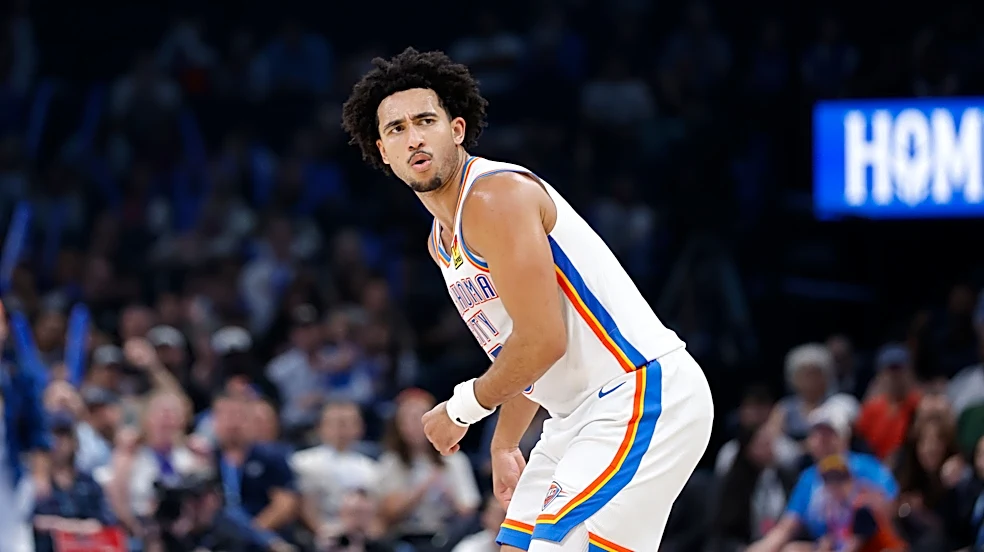
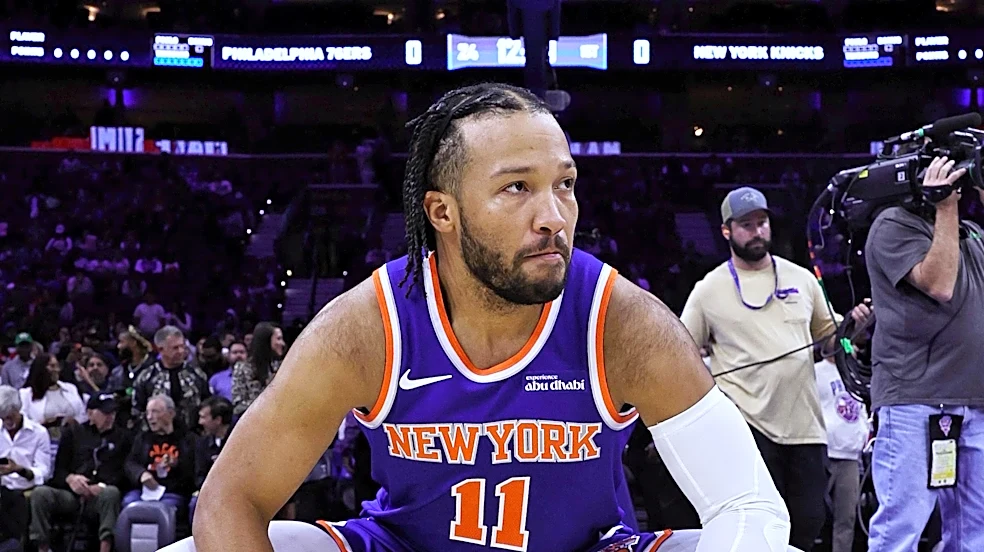
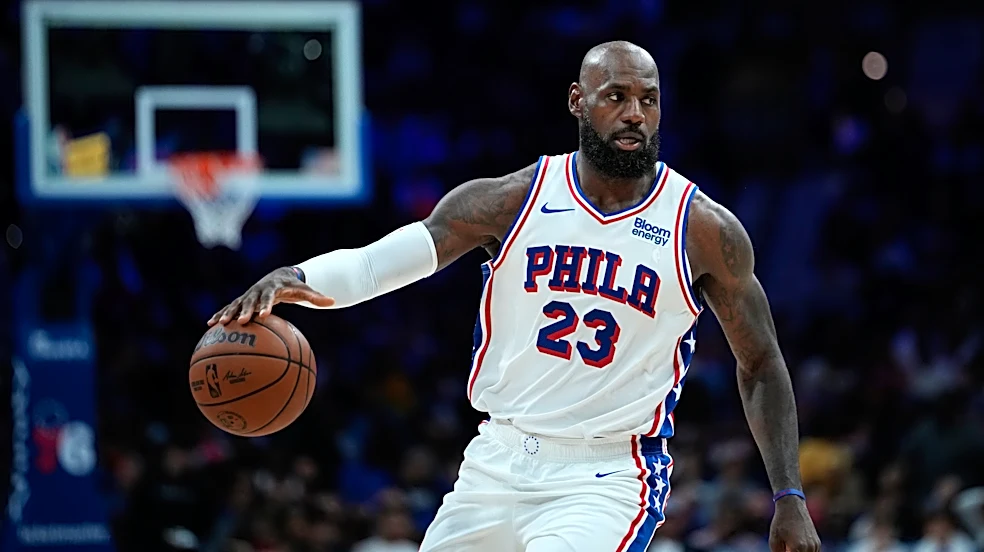
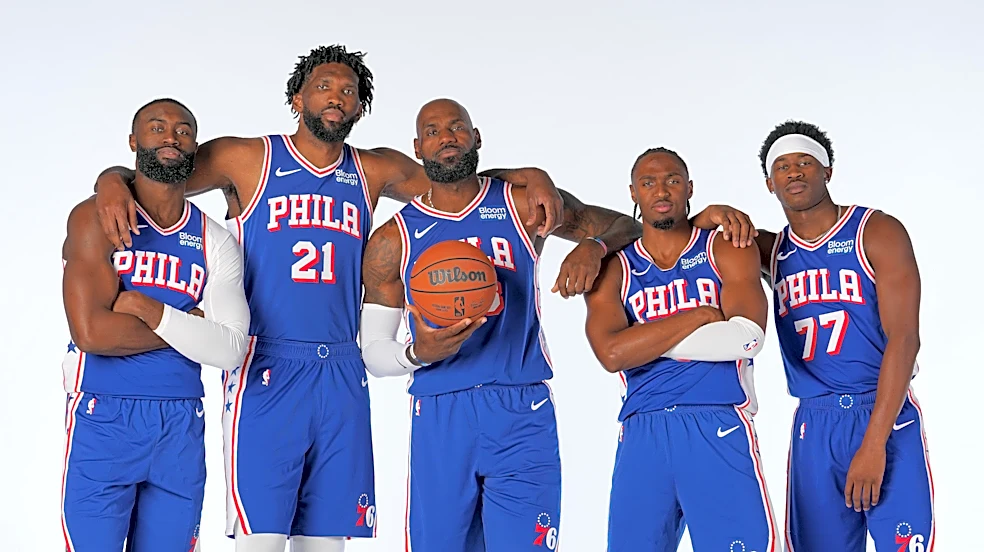
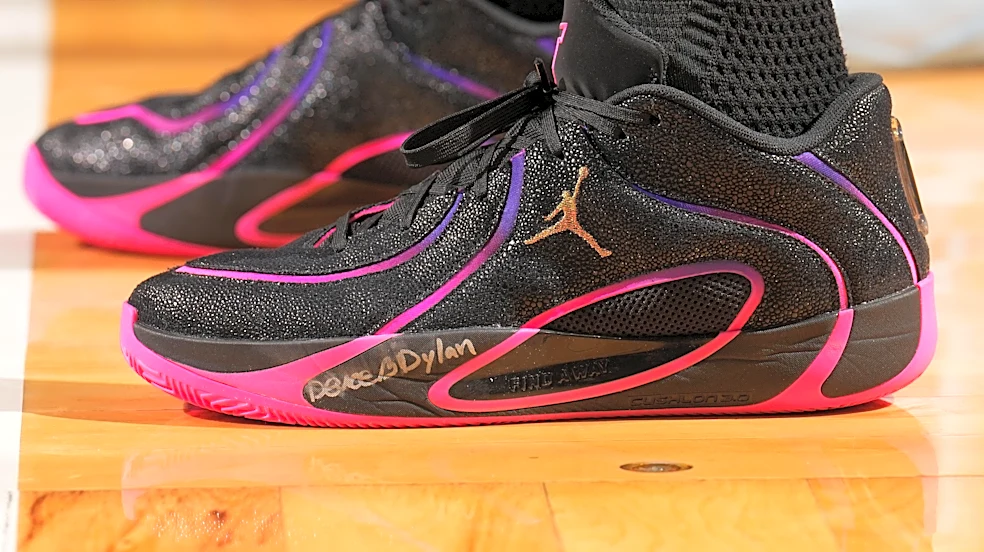
The 2026-27 NBA season is set to feature a diverse landscape of signature sneakers, with several teams boasting multiple athletes with their own shoe lines. The Philadelphia 76ers lead with four signature athletes: LeBron James (Nike LeBron 24), Joel
Embiid (Skechers SKX JE1), Tyrese Maxey (New Balance Maxey v1), and Jaylen Brown (741 Performance Rover & 741 NFH). Other teams with multiple signature athletes include the Miami Heat, Portland Trail Blazers, Cleveland Cavaliers, Denver Nuggets, Golden State Warriors, Los Angeles Lakers, Minnesota Timberwolves, and San Antonio Spurs. Notably, Stephen Curry has transitioned to Li-Ning, and Kyrie Irving has found a new home with ANTA. Several players, like Cade Cunningham (Nike) and Darius Acuff Jr. (Reebok), are also confirmed to be launching new signature sneakers soon.
Why It's Important?
The proliferation of signature sneaker deals across the NBA signifies a significant trend in athlete endorsement and brand marketing within the sports industry. These partnerships are crucial for both players, who gain substantial financial benefits and personal brand extension, and for footwear companies, which leverage the athletes' popularity to drive sales and market share. The shift of high-profile players like Stephen Curry and Kyrie Irving to new brands, including Chinese sportswear giants like Li-Ning and ANTA, indicates a globalizing market and increased competition for top talent. This trend also impacts team dynamics, as the presence of multiple signature athletes on a single roster can enhance team visibility and commercial appeal, potentially influencing fan engagement and merchandise sales. The continuous innovation in sneaker technology and design, driven by these endorsements, also plays a role in the broader sports apparel market.
What's Next?
As the 2026-27 NBA season progresses, new signature sneaker models and colorways are expected to be unveiled, further expanding the market. Brands will likely intensify their marketing campaigns around their endorsed athletes, tying product launches to on-court performances and cultural moments. The success of new signature lines, such as those anticipated for Cade Cunningham and Darius Acuff Jr., will be closely watched as indicators of future trends in athlete endorsements. The ongoing competition between established brands like Nike and Adidas and emerging players like Skechers, New Balance, Li-Ning, and ANTA will continue to shape the landscape of sports footwear. This dynamic environment will likely lead to more innovative designs, strategic athlete acquisitions, and potentially new forms of fan engagement through sneaker culture.
Beyond the Headlines
The evolving landscape of NBA signature sneakers reflects deeper shifts in sports marketing and athlete empowerment. Players are increasingly leveraging their personal brands to secure lucrative deals that extend beyond traditional team contracts, transforming them into global fashion and cultural icons. The rise of international brands in the signature shoe market also underscores the growing global appeal of the NBA and its players, creating new avenues for market penetration and cultural exchange. This trend also raises questions about the influence of commercial interests on player choices and the potential for these endorsements to shape the narrative around athletes. The intricate relationship between athletic performance, personal branding, and corporate sponsorship continues to redefine the modern sports economy, making signature sneakers a significant cultural and economic phenomenon.