




What's Happening?
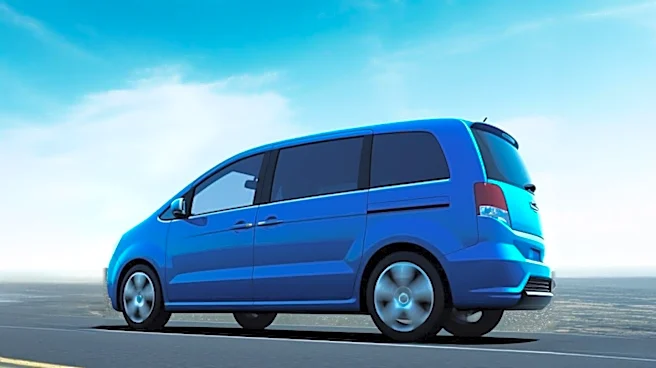
Minivans are making a significant comeback in the U.S. automotive market, driven by record-high vehicle prices that are prompting families to seek alternatives to SUVs. Yahoo Finance reports that minivan sales in the U.S. surged by 21% last year, significantly
outperforming the overall auto market's 2% growth. This trend indicates a shift in consumer preferences, with many families, like Jess Laird's, finding minivans to be a practical and satisfying choice for their needs, especially for travel. Chris Heck, head coach at Jeff Wyler Superior Honda in Cincinnati, noted a 30% increase in Honda Odyssey sales over the past two years, attributing this rise primarily to the vehicle's price point and improved fuel economy. Modern minivans are also shedding their older image by offering enhanced flexibility, such as third rows that fold flat and reconfigurable middle rows, providing ample cargo space and versatile seating arrangements.
Why It's Important?
The resurgence of minivans has notable implications for the U.S. automotive industry and consumers. For manufacturers, it signals a potential shift in production and marketing strategies, moving some focus from the long-dominant SUV segment back to minivans. This could lead to increased investment in minivan design and technology, offering more competitive options. For consumers, the trend provides more affordable and practical vehicle choices. With many minivans starting around $40,000, compared to the average large SUV's price of over $67,000, they offer significant cost savings. Additionally, minivans often provide more cargo space; an analysis by Edmunds found that the Honda Odyssey, for example, offers 50% more cargo space than large SUVs. The improved fuel economy and car-like driving experience of newer models also contribute to their appeal, benefiting families looking for efficiency and ease of handling.
What's Next?
The continued growth in minivan sales suggests that automotive manufacturers may further innovate in this segment, potentially introducing new models or enhancing existing ones with advanced features and improved aesthetics to appeal to a broader demographic. Dealerships are likely to adjust their inventory and sales strategies to meet the rising demand for minivans, emphasizing their practical benefits such as cargo volume, fuel efficiency, and flexible interiors. Consumers can anticipate more competitive pricing and a wider array of choices in the minivan market. This trend could also influence the used car market, potentially increasing the value and availability of pre-owned minivans. The industry will likely monitor whether this resurgence is a temporary response to economic pressures or a more sustained shift in family vehicle preferences.
Beyond the Headlines
Beyond the immediate sales figures, the minivan comeback reflects a deeper societal shift in consumer values, prioritizing practicality, cost-effectiveness, and functionality over perceived status symbols. For years, SUVs dominated the market, often associated with a certain lifestyle or image. However, the current economic climate, characterized by high vehicle prices and fluctuating fuel costs, is compelling families to make more pragmatic decisions. This shift challenges the long-held 'soccer mom' stereotype associated with minivans, as modern designs and features make them more appealing to a wider range of buyers. The emphasis on lower centers of gravity, car-like driving, and accessibility features like power sliding doors also highlights a focus on user experience and convenience for all family members, including seniors and children. This evolution suggests a more mature and needs-driven approach to vehicle purchasing in the U.S.