








What's Happening?
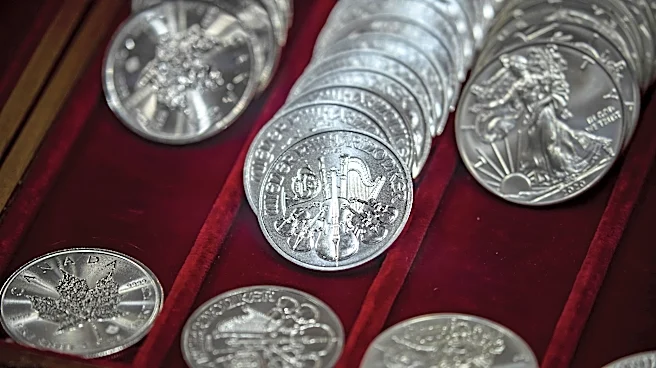
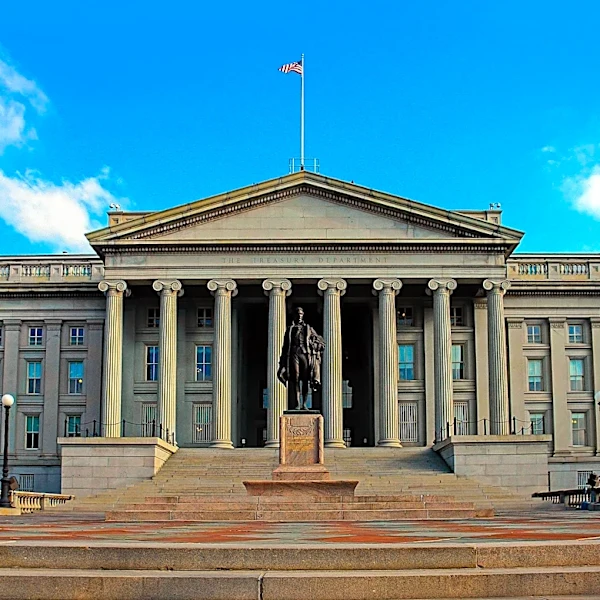
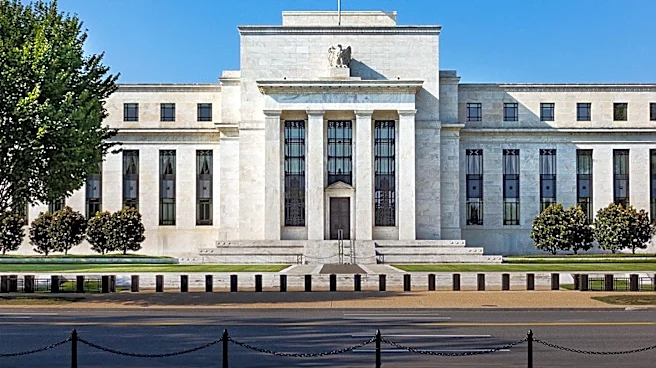
Silver prices have shown a modest rebound, leading the precious metals market, while gold prices remain capped by firm U.S. dollar and Treasury yields. The Federal Reserve's recent decision to maintain interest rates has influenced market dynamics, with
gold being treated more as a rate-sensitive asset. The situation in the Strait of Hormuz remains unstable, affecting oil shipments and contributing to market volatility. Despite resumed shipments, recent hostilities have kept the risk elevated, impacting both oil and precious metals markets.
Why It's Important?
The rebound in silver prices highlights the metal's role as a hedge against market volatility, particularly in the context of geopolitical tensions and economic uncertainty. The ongoing situation in the Strait of Hormuz underscores the interconnectedness of global markets, where disruptions in oil supply can have ripple effects on commodities like gold and silver. Investors are closely watching these developments, as they could influence inflation expectations and Federal Reserve policy decisions, impacting broader economic conditions.
What's Next?
Market participants will be monitoring upcoming economic reports, including employment data, which could further influence Treasury yields and the U.S. dollar. Any changes in the geopolitical landscape, particularly in the Strait of Hormuz, could lead to shifts in commodity prices. Traders and investors will need to remain vigilant, as these factors could affect market positioning and investment strategies in the near term.