







What's Happening?
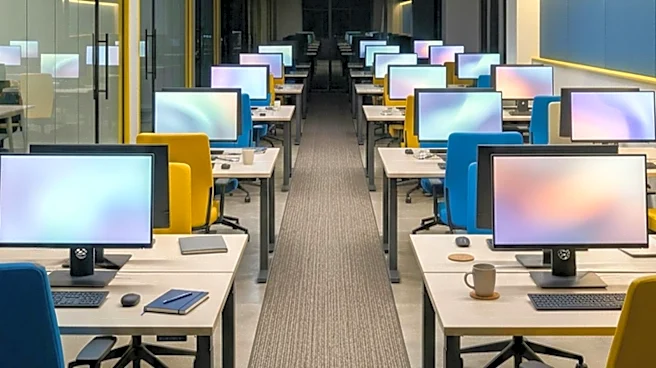
Seth Bires, DO, an interventional spine expert at Summit Orthopedics, has detailed the adverse health effects of prolonged sitting and provided practical strategies to mitigate them. Dr. Bires explains that extended periods of sitting, common in modern
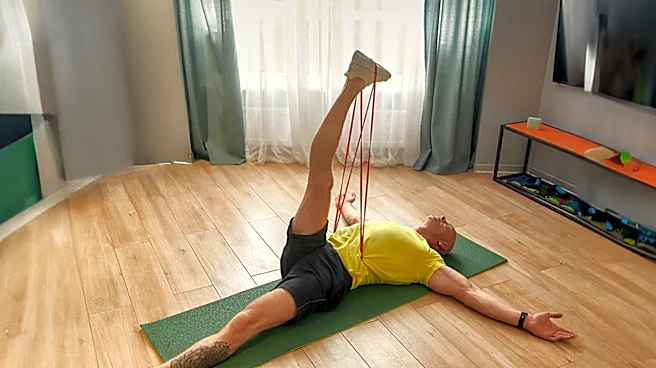
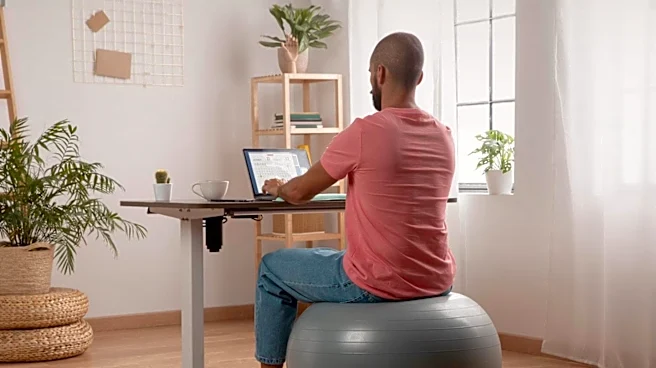
work environments, contribute to significant health problems including heart disease, diabetes, obesity, and dementia, in addition to straining neck and back muscles. Sitting increases pressure throughout the spine, compressing discs and stressing spinal joints, and can weaken muscles essential for spinal stabilization. To counteract these effects, Dr. Bires recommends incorporating 'movement snacks' throughout the day, such as getting up every hour for five minutes of light stretching or walking. He also advises strengthening spine stabilizers, maintaining proper posture, ensuring ergonomic desk setups, and adopting regular stretching habits to promote flexibility and mobility.
Why It's Important?
This information is crucial for a significant portion of the U.S. workforce that spends extensive hours sitting, particularly those in office-based or remote work roles. The health risks associated with sedentary lifestyles, as highlighted by Dr. Bires, represent a major public health concern, contributing to chronic diseases and musculoskeletal issues that impact productivity, quality of life, and healthcare costs. By providing actionable advice, Summit Orthopedics empowers individuals to take proactive steps to protect their spinal health and overall well-being. Employers can also benefit from these recommendations by promoting healthier work environments, potentially leading to reduced absenteeism and increased employee productivity. The emphasis on simple, frequent movements makes these strategies accessible to nearly everyone, fostering a more active approach to daily life.
What's Next?
Individuals are encouraged to implement Dr. Bires's recommendations by integrating regular movement breaks, strengthening exercises, and stretching into their daily routines. Workplaces may consider adopting policies or providing resources that support these practices, such as encouraging standing desks, promoting regular breaks, or offering workplace wellness programs focused on ergonomics and movement. Healthcare providers may increasingly incorporate these types of recommendations into patient counseling, particularly for those with sedentary occupations or existing back pain. Further research could explore the long-term efficacy of these 'movement snacks' and ergonomic interventions on reducing the prevalence of sitting-related health issues in the general population and specific occupational groups.
Beyond the Headlines
The discussion around prolonged sitting extends beyond individual health to broader societal and cultural implications. The rise of sedentary work environments reflects a significant shift in modern lifestyles, where physical activity has been increasingly engineered out of daily routines. This trend necessitates a re-evaluation of urban planning, workplace design, and educational practices to promote more active living. The advice from Summit Orthopedics underscores the concept of 'non-exercise activity thermogenesis' (NEAT), highlighting that even small, frequent movements throughout the day can have substantial health benefits. This perspective challenges the traditional view that only structured exercise counts, encouraging a more integrated approach to physical activity that permeates all aspects of daily life and addresses the systemic nature of sedentary behavior.