





What's Happening?
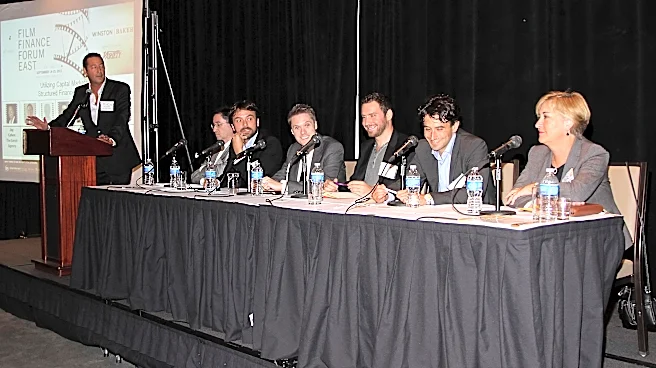
During Art Week NYC, a citywide festival organized by ARTnews, Artforum, and Art in America, art advisor Sophia Cohen participated in a discussion about the evolving landscape of art collecting, specifically focusing on the next generation of patrons.
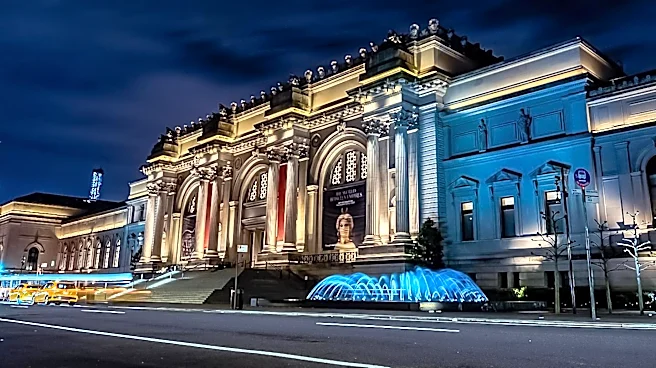
Cohen, founder of Siren, an art advisory and curatorial consultancy, shared insights from her career, which began with dealer Gavin Brown and continued at Gagosian, where she became an associate director. She also co-chairs the Metropolitan Museum of Art’s Vanguard Council, an invite-only group for emerging patrons. The discussion, held at the PMC Studio in Midtown Manhattan, covered advice for young collectors on purchasing art, the importance of learning from mistakes, and how contemporary patrons are structuring their philanthropic giving within the art world. Cohen emphasized the significance of engaging with artists of one's own generation and the role of art dealers as stewards for artists.
Why It's Important?
This discussion highlights significant shifts in the art market, particularly how a new generation of collectors is engaging with art. Sophia Cohen's insights are crucial for understanding future trends in art acquisition, patronage, and the broader art ecosystem. The focus on younger collectors suggests a potential reorientation of market dynamics, with new tastes, investment strategies, and philanthropic approaches emerging. For galleries, artists, and art institutions, understanding these evolving behaviors is vital for sustained engagement and growth. The emphasis on authenticity and generational connection in collecting could influence the types of art promoted and valued, potentially shifting focus towards contemporary artists and diverse narratives. Furthermore, the structuring of giving by new patrons could impact funding models for museums and cultural organizations, fostering new forms of support and collaboration.
What's Next?
The insights shared by Sophia Cohen are likely to influence how art advisories, galleries, and institutions tailor their strategies to attract and retain the next generation of collectors. We may see an increased focus on educational programs and accessible entry points for new patrons, as well as a greater emphasis on transparency and ethical practices in art transactions. The Metropolitan Museum of Art's Vanguard Council, co-chaired by Cohen, could serve as a model for other institutions seeking to cultivate younger donor bases. Future art market trends may reflect a growing demand for art that resonates with contemporary social and cultural values, potentially leading to increased representation of diverse artists and themes. The art world will likely continue to adapt to the preferences and philanthropic models of these emerging collectors, shaping the market's direction in the coming years.
Beyond the Headlines
The discussion delves into the deeper cultural and economic implications of generational shifts in art collecting. It underscores a potential move away from purely speculative art investment towards more value-driven and personally connected patronage. This could foster a more sustainable and artist-centric art market, where collectors are not just buyers but also active participants in the artistic ecosystem. Ethically, Cohen's emphasis on learning from mistakes and engaging with one's own generation of artists suggests a more thoughtful and less transactional approach to collecting. This shift could also influence the types of art historical narratives that gain prominence, as new collectors may prioritize different voices and perspectives. Long-term, this evolution could lead to a more inclusive and dynamic art world, reflecting broader societal changes in values and priorities.