







What's Happening?
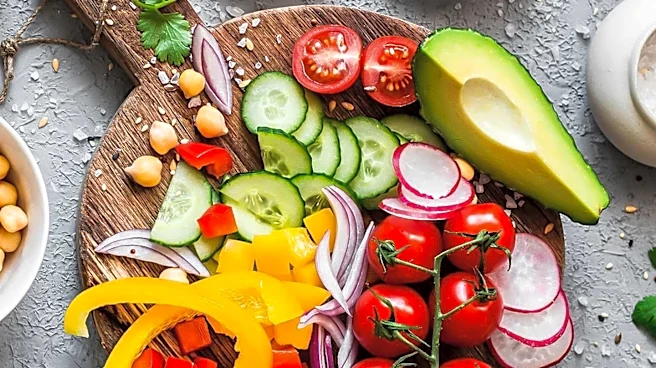
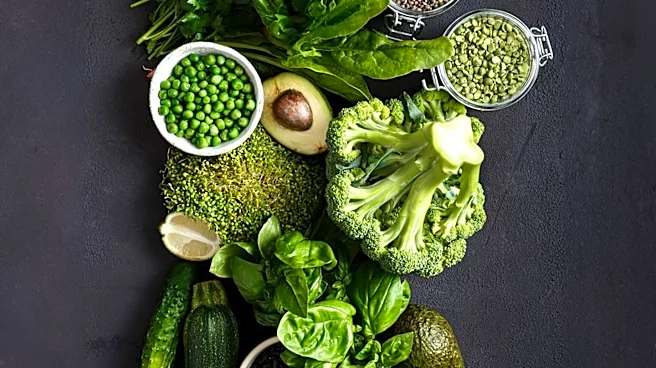
Microbiome-guided diets focus on nourishing the gut's microbial communities by prioritizing foods that serve as substrates for beneficial microbes, such as fiber, polyphenols, resistant starch, and live fermented foods, while reducing ultra-processed
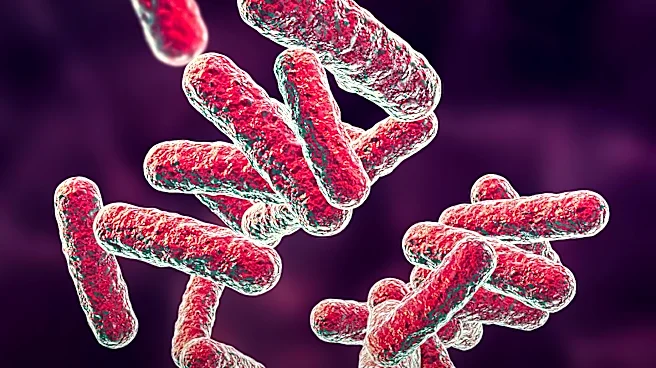
items. This dietary approach aims to foster a diverse and active gut microbiota, which in turn influences digestion, metabolism, and long-term health. Key principles include consuming about 30 different types of plants weekly, aiming for 25-38 grams of fiber daily, and regularly incorporating live fermented foods like kefir or natural yogurt. The science behind this approach highlights that gut bacteria feed on undigested fibers, resistant starches, and polyphenols, producing short-chain fatty acids (SCFAs) like butyrate, which are crucial for gut barrier integrity and overall metabolic health. Observational studies, such as PREDICT 1 and the American Gut Project, have linked diet quality and plant diversity to favorable cardiometabolic markers and greater microbial diversity.
Why It's Important?
The emphasis on microbiome-guided diets represents a significant shift towards a more personalized and evidence-based approach to nutrition. Instead of generic dietary advice, this framework provides concrete goals for enhancing gut health, which is increasingly recognized as central to overall well-being, influencing everything from immunity to mental health. For individuals, adopting such a diet can help prevent chronic diseases, alleviate mild intestinal symptoms, and support recovery after antibiotic use. For the food industry, this trend could drive demand for whole, minimally processed foods, diverse plant-based options, and fermented products. It also underscores the limitations of 'quick fix' diets and probiotic supplements, advocating for sustainable, long-term dietary habits. This approach empowers individuals to make informed food choices that directly support their internal ecosystem, potentially leading to improved health outcomes and a reduced reliance on pharmaceutical interventions for digestive issues.
What's Next?
The field of microbiome research is rapidly evolving, and future developments will likely include more precise methods for personalizing microbiome-guided diets. While current home microbiome tests offer educational context, they lack sufficient clinical validation for precise dietary prescriptions. However, ongoing research aims to bridge this gap, potentially leading to more accurate and actionable personalized dietary recommendations based on individual microbiome profiles. Healthcare professionals, including dietitians and doctors, will increasingly integrate microbiome science into their practice, offering tailored advice to patients. Public health campaigns may also adopt these principles, promoting plant diversity and fermented foods as cornerstones of a healthy diet. As the understanding of the gut-brain axis deepens, microbiome-guided diets may also be explored for their potential in managing neurological and psychological conditions.
Beyond the Headlines
The concept of a microbiome-guided diet extends beyond mere physical health, touching upon broader ecological and cultural dimensions. It highlights the intricate co-evolution of humans and their microbial inhabitants, suggesting that our dietary choices have far-reaching consequences for this internal ecosystem. Ethically, the commercialization of microbiome testing and personalized diet plans raises questions about accessibility, scientific rigor, and the potential for exploitation. There's a need for clear guidelines and consumer education to distinguish evidence-based practices from marketing hype. Culturally, this approach encourages a return to traditional food practices that often feature fermented foods and diverse plant consumption, potentially fostering a greater appreciation for culinary heritage and sustainable food systems. It also challenges the modern Western diet, characterized by ultra-processed foods, as detrimental to microbial diversity, prompting a re-evaluation of our food environment and its impact on long-term health.