








What's Happening?
Major technology companies, including Amazon, Alphabet, Microsoft, Meta, and SpaceX (which includes xAI), are projected to invest a combined $828 billion in capital expenditures this year, primarily for AI infrastructure such as data centers and high-powered
chips. This massive spending has raised concerns among investors, leading to a significant market downturn, with the Nasdaq 100 losing over $1 trillion in market value. Several of these tech giants, with the exception of Microsoft, reported negative free cash flow in the third quarter, indicating they spent more on capital investments than they generated from operations. Amazon CEO Andy Jassy acknowledged the substantial spending but emphasized its necessity for future growth in the AI sector. The scale of this investment is comparable to the U.S. defense budget and has prompted questions about the long-term profitability of AI to justify such expenditures.
Why It's Important?
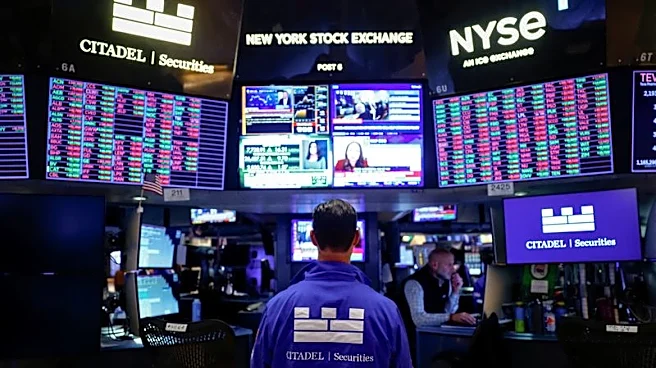
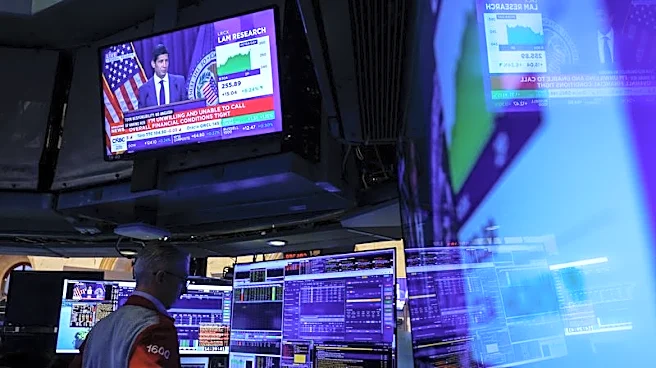
The substantial capital expenditure by leading tech companies on AI infrastructure carries significant implications for the U.S. economy and financial markets. The market's negative reaction, evidenced by the Nasdaq and S&P 500's worst one-day performances since June, highlights investor apprehension regarding the sustainability and profitability of these investments. If these expensive data centers and chips do not generate the anticipated profits, the fallout could extend beyond Silicon Valley, potentially impacting the broader U.S. economy. The reliance on debt and bond offerings by some companies, like Microsoft and Meta, to finance this expansion could raise the cost of capital for other businesses. Given that a few technology stocks hold a disproportionate share of the S&P 500, the success or failure of these AI investments could have widespread consequences for millions of American investors.
What's Next?
The coming quarters will be crucial in determining whether these massive AI investments will yield the expected returns. Several banks, including Evercore and Bank of America, project AI-related capital expenditure to reach $1 trillion by 2027, indicating a continued spending trend. Companies like Oracle anticipate returning to positive free cash flow in the second half of their next fiscal year, with projections of significant increases in subsequent years, suggesting a long-term bet on AI profitability. The market will closely monitor earnings reports and financial disclosures from these tech giants for signs of improved free cash flow and tangible returns on their AI infrastructure investments. The ongoing debate about the profitability of AI will likely continue to influence market sentiment and investment strategies.
Beyond the Headlines
The current AI capital expenditure spree represents a profound shift in the business models of major tech companies, moving from primarily software and services to significant physical infrastructure investments. This shift raises questions about the long-term financial stability of these companies and the potential for a 'tech bubble' if AI does not deliver the promised profitability. The increased borrowing by these tech giants could also have broader economic implications, potentially affecting interest rates and capital availability for other sectors. Furthermore, the concentration of AI infrastructure development among a few dominant players could lead to concerns about market power and competition in the evolving AI landscape. The ethical and societal implications of such powerful 'super intelligence' infrastructure, while not directly addressed by the financial data, remain an underlying consideration as these technologies advance.