





What's Happening?
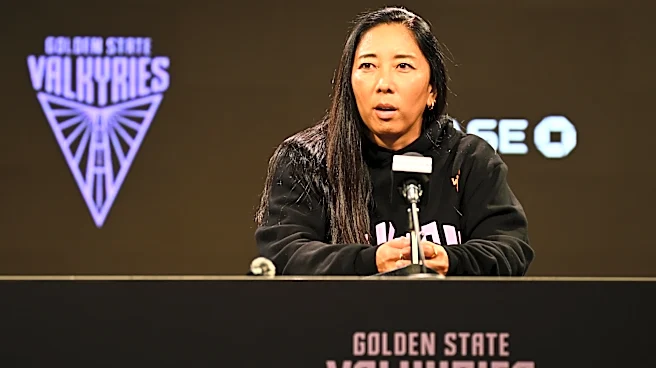
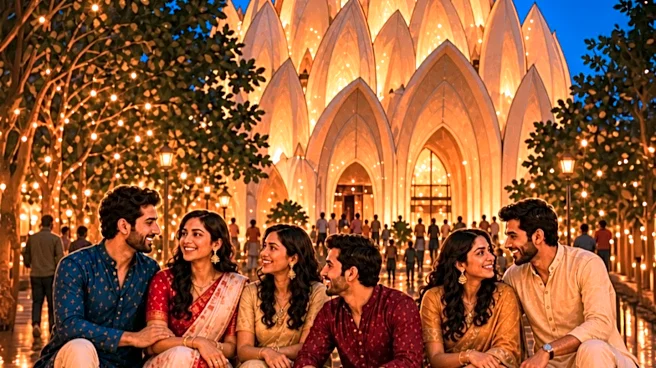
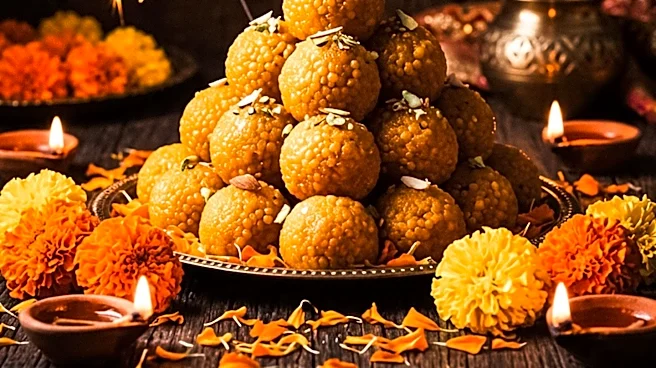
Seattle Storm Head Coach Sonia Raman, the first WNBA coach of Indian origin, shared her personal traditions and memories surrounding Diwali, the festival of lights. Raman described Diwali as her favorite holiday, emphasizing its significance as a time
for family, good food, and celebration of light over darkness. She discussed her family's customs, including decorating the house with diyas (oil lamps), cooking traditional meals, wearing new clothes, and exchanging gifts. Raman shared these insights during an interview with FOX 13 reporter Shawn Chitnis at Spice Waala, a local Indian restaurant she frequents. She also highlighted the increasing visibility and recognition of Diwali across the United States, noting that several governors and mayors in the Pacific Northwest have hosted historic Diwali celebrations this year. Raman expressed her hope to share these traditions with her team, even during the offseason.
Why It's Important?
Coach Raman's public sharing of her Diwali traditions is significant for several reasons. As a prominent figure in professional sports, her voice helps to raise awareness and understanding of diverse cultural practices within the U.S. This visibility contributes to a more inclusive environment in sports and society at large, celebrating the rich tapestry of American culture. For the Indian-American community, Raman serves as an inspiring role model, demonstrating success in a high-profile career while maintaining strong ties to her heritage. Her discussion of Diwali's themes—the triumph of good over evil and light over darkness—resonates universally and promotes cross-cultural appreciation. The increasing recognition of Diwali by state and local governments, as mentioned by Raman, further underscores the growing influence and integration of diverse communities within the American social and political landscape.
What's Next?
As Diwali continues to gain broader recognition in the U.S., it is likely that more public figures and institutions will acknowledge and celebrate the festival. Coach Raman's efforts to share her traditions with her team could foster a more culturally aware and inclusive team environment, potentially inspiring similar initiatives within other sports organizations. The increased visibility of Diwali at governmental levels suggests a trend towards greater cultural inclusivity in public life, which may lead to more widespread celebrations and educational programs about diverse holidays. This growing awareness could also encourage more individuals from diverse backgrounds to pursue careers in sports and other public fields, knowing their cultural identities are valued and celebrated.
Beyond the Headlines
Coach Raman's narrative extends beyond a simple holiday celebration; it highlights the ongoing process of cultural assimilation and preservation within immigrant communities in the U.S. Her experience of adapting family traditions while moving across the country reflects a common journey for many, demonstrating how cultural practices evolve while retaining their core meaning. The increasing public recognition of Diwali also signifies a broader societal shift towards multiculturalism, where diverse traditions are not just tolerated but celebrated and integrated into the national fabric. This trend can lead to a richer cultural landscape, fostering empathy and understanding among different communities. Furthermore, Raman's position as a pioneering WNBA coach of Indian origin underscores the importance of representation in breaking down barriers and inspiring future generations from underrepresented groups.