
What's Happening?
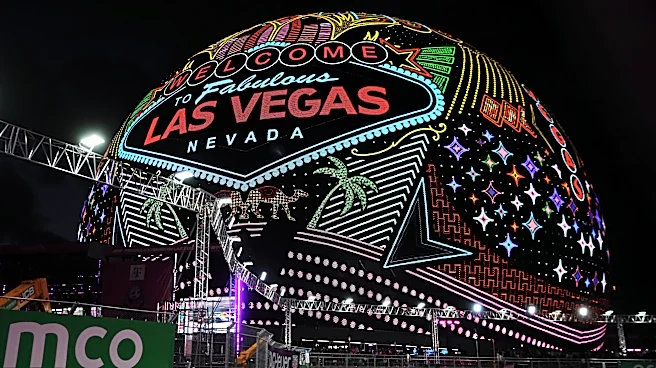
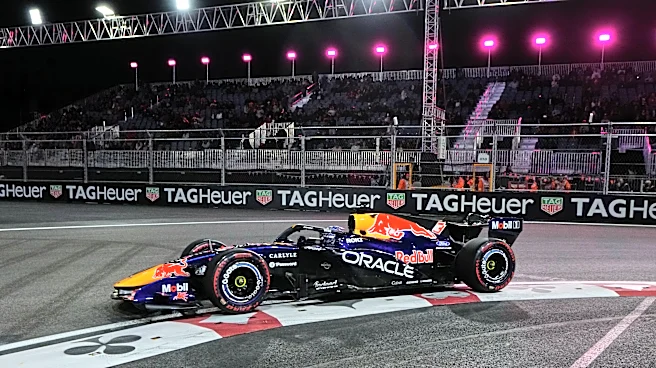
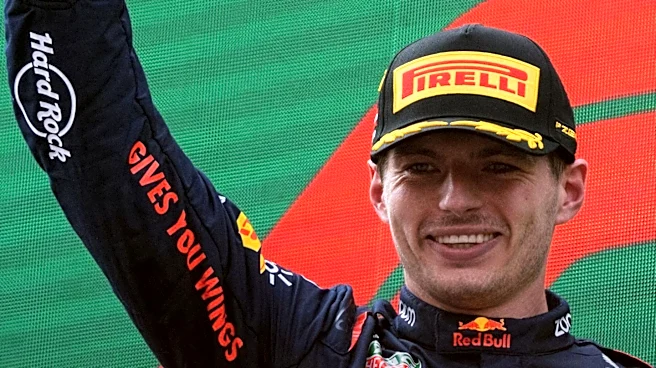
Formula One has declared its Las Vegas Grand Prix a significant success, citing record overtaking maneuvers and a sold-out crowd. The event, which saw Max Verstappen secure his third Las Vegas victory
in four years, featured 352 overtakes and 35 lead changes during the 50-lap race along the famed Strip. Despite initial concerns regarding ticket demand due to cool weather and already-decided championships, the race attracted 165,000 unique visitors from 49 countries. Formula One reported that the Las Vegas race has generated a cumulative economic impact of $3.2 billion for southern Nevada since its 2023 debut. Additionally, the 2025 event contributed $43 million in state and local tax revenue and reached a global audience exceeding 67 million. The weekend also included seven major partnership announcements, with deals involving Nike, Standard Chartered, and Whoop set to commence in 2027, and Apple committing to broadcast F1 Academy qualifying sessions and races in the U.S. from the same year.
Why It's Important?
The success of the Las Vegas Grand Prix underscores Formula One's growing commercial importance and strategic expansion within the United States. The reported $3.2 billion economic impact on southern Nevada highlights the substantial financial benefits that major international sporting events can bring to local economies, including job creation, increased tourism, and tax revenue. The significant global viewership of over 67 million further solidifies Formula One's reach and appeal, making the U.S. market a critical component of its growth strategy. The new partnership announcements with major brands like Nike and Apple indicate a strong corporate interest in aligning with Formula One, suggesting continued investment and expansion in the sport's U.S. presence. This success could encourage other major international sports organizations to consider similar large-scale events in U.S. cities, potentially boosting local economies and enhancing the country's profile as a premier destination for global entertainment and sports.
What's Next?
Looking ahead, Formula One is expected to continue leveraging the success of the Las Vegas Grand Prix to further its expansion in the U.S. market. The new partnerships with Nike, Standard Chartered, Whoop, and Apple, set to begin in 2027, will likely enhance the sport's visibility and engagement with American audiences. Discussions around the planned 2030 engine formula, which aims for a lighter, simpler 2.1-liter turbocharged V8 with sustainable fuels and limited hybridisation, could lead to even more dynamic racing, potentially increasing fan engagement and viewership. The continued commitment to the F1 Academy, with Apple broadcasting its sessions in the U.S., suggests a focus on developing future talent and broadening the sport's appeal. The sustained economic impact and global reach demonstrated by the Las Vegas event will likely reinforce its position as a recurring fixture on the Formula One calendar, with organizers aiming to replicate and build upon this success in future editions.
Beyond the Headlines
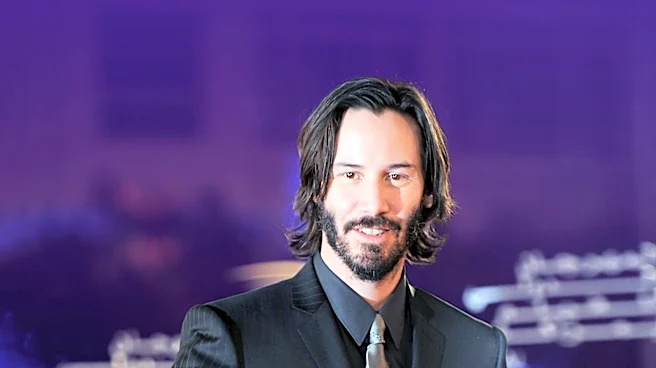
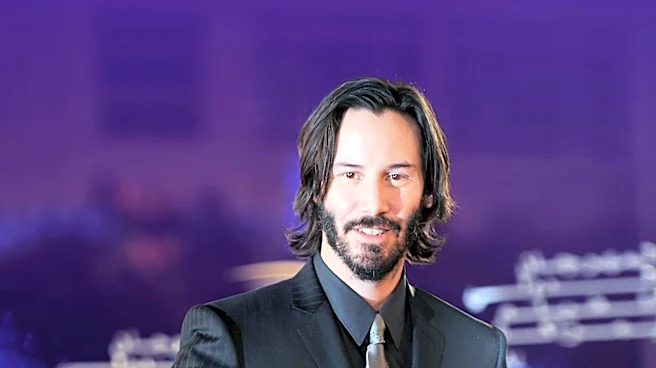
The success of the Las Vegas Grand Prix extends beyond immediate economic and viewership figures, signaling a broader cultural shift in the U.S. sports landscape. The event's ability to attract a diverse array of celebrities, including Kim Kardashian, George Lucas, Adam Sandler, Keanu Reeves, and Blackpink member Lisa, highlights its growing appeal as a major entertainment spectacle, transcending traditional motorsport fandom. This blend of sport and celebrity culture positions Formula One as a premium lifestyle event, drawing in new demographics and expanding its market beyond core racing enthusiasts. The emphasis on 'record overtaking and wheel-to-wheel racing' also speaks to a strategic effort by Formula One to enhance the on-track product, addressing criticisms about processional races and aiming to deliver more thrilling and unpredictable competitions. This focus on entertainment value, combined with significant economic contributions, suggests a model for future large-scale sporting events that prioritize both athletic competition and broader cultural engagement.