







What's Happening?
Effective August 29th, significant changes to U.S. import policies have eliminated the 'de minimis' exemption, which previously allowed packages valued under $800 to enter the United States without tariffs. As a result, every package entering the U.S.,
regardless of its value, is now subject to tariffs based on the product's country of origin. For companies like Closet Core Patterns, this means a direct impact on their shipping and returns policy for U.S. customers. While many of their products, made in North America, remain tariff-free under CUSMA, hardware kits imported from overseas suppliers will now incur customs duties. These duties are calculated and paid by the customer at checkout through a Delivered Duty Paid (DDP) system, ensuring no surprise fees upon delivery.
Why It's Important?
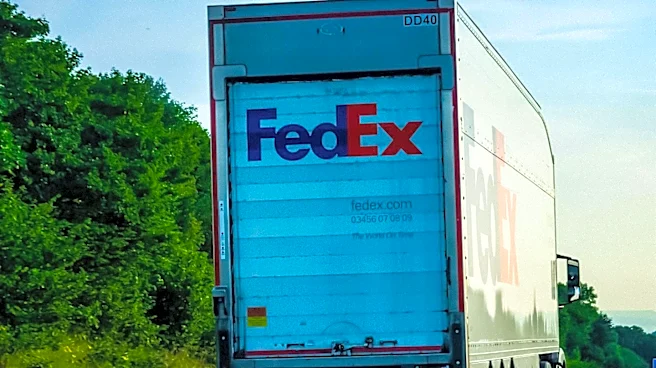
The elimination of the de minimis exemption has broad implications for U.S. consumers and businesses engaged in international trade. For consumers, it means potentially higher costs for imported goods, as tariffs will now apply to items that were previously exempt. For businesses, especially small and medium-sized enterprises that import components or finished goods, this change necessitates adjustments to pricing, supply chain management, and customer communication regarding duties. The shift to a DDP system, as adopted by Closet Core Patterns, helps manage customer expectations by making duties transparent at the point of purchase. However, it also restricts shipping options, as DDP often requires specific carriers like FedEx, which may not deliver to all locations, such as U.S. PO Boxes or military bases. This could disproportionately affect customers in remote areas or those who rely on PO Boxes.
What's Next?
Businesses that import goods into the U.S. must adapt their operations to comply with the new tariff regulations. This includes accurately calculating and collecting duties, potentially adjusting product pricing, and updating shipping policies. Companies will need to clearly communicate these changes to their customers to avoid confusion and dissatisfaction. The reliance on specific carriers for DDP services may prompt businesses to explore alternative shipping solutions or to re-evaluate their supply chains to source more products from countries with favorable trade agreements, such as those under CUSMA. The long-term impact could see a shift in consumer purchasing habits, with a potential preference for domestically produced goods or items from countries that do not incur significant tariffs.
Beyond the Headlines
The removal of the de minimis exemption reflects a broader trend in global trade policy towards increased scrutiny and taxation of cross-border e-commerce. While aimed at ensuring fair competition and potentially increasing government revenue, such policies can create friction in international trade and impact consumer choice. The shift also highlights the complexities of modern supply chains, where components and finished products often originate from multiple countries. For businesses, navigating these evolving regulations requires robust compliance systems and adaptable strategies. The unintended consequence of restricted shipping options, such as the inability to deliver to U.S. PO Boxes, also points to the need for policymakers to consider the full scope of impact on diverse consumer groups and logistical networks when implementing such changes.