





What's Happening?
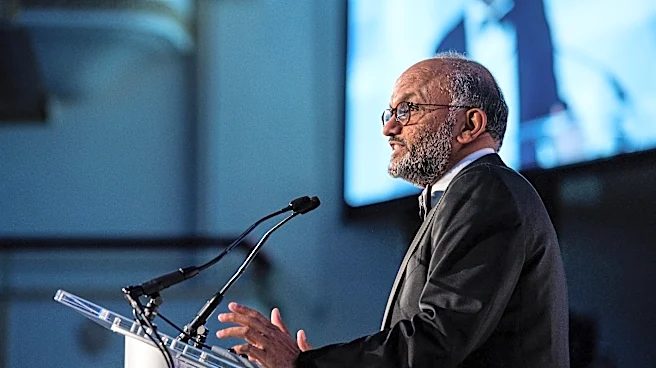
Qualcomm's board of directors approved special stock-based incentive awards totaling $65 million for CEO Cristiano Amon and CFO and COO Akash Palkhiwala on November 20. Amon's award has a target value of $50 million, and Palkhiwala's is valued at $15
million. These are not guaranteed cash payments but performance-based restricted stock units, contingent on Qualcomm meeting specific share-price targets over a five-year period. The first tranche becomes eligible if the average closing share price reaches $250 within the first two years, with subsequent hurdles at $300, $350, $400, and $500. This decision comes as Qualcomm is undergoing significant workforce reductions, including 517 permanent layoffs in California, primarily at its San Diego headquarters, and an estimated 600 to 1,200 employees in India. The company stated these awards are a one-time arrangement to retain executives and reward them for creating shareholder value during a strategic transformation aimed at diversifying beyond smartphones into data-center chips and automotive technology.
Why It's Important?
The decision to grant substantial stock incentives to top executives while simultaneously implementing widespread layoffs raises questions about corporate governance and employee morale. For shareholders, the awards are tied to ambitious share-price targets, suggesting a strong incentive for executives to drive significant growth and shareholder value. However, the timing of these awards amidst workforce reductions could be perceived negatively by employees and the public, potentially impacting Qualcomm's reputation. The company's strategic transformation, aiming to reduce reliance on the smartphone market, is critical for its long-term financial health. The executive incentives are designed to align leadership with these strategic goals, but the optics of executive compensation during layoffs can create internal and external challenges, potentially affecting recruitment and retention of other talent.
What's Next?
The effectiveness of these incentive awards will be measured by Qualcomm's ability to achieve its ambitious share-price targets and successfully execute its strategic diversification into data-center chips and automotive technology. The company's progress in these new markets, alongside its financial performance, will be closely scrutinized by investors. The impact of the layoffs on employee morale and productivity, as well as any potential public relations challenges, will also be important factors to monitor. Qualcomm's management will need to demonstrate that the strategic transformation and executive incentives ultimately lead to sustainable growth and enhanced shareholder value, justifying the board's decisions amidst the current workforce adjustments.
Beyond the Headlines
This situation highlights a recurring tension in corporate America between executive compensation and workforce management, particularly during periods of strategic change and restructuring. The practice of awarding significant performance-based incentives to executives while simultaneously reducing the general workforce can spark debates about fairness, corporate responsibility, and the distribution of economic benefits within a company. It also underscores the challenges companies face in balancing the need to attract and retain top leadership with the broader impact of business decisions on their employees and public perception. The long-term implications for Qualcomm could include not only financial performance but also its corporate culture and brand image, depending on how effectively it manages these complex dynamics.