





What's Happening?
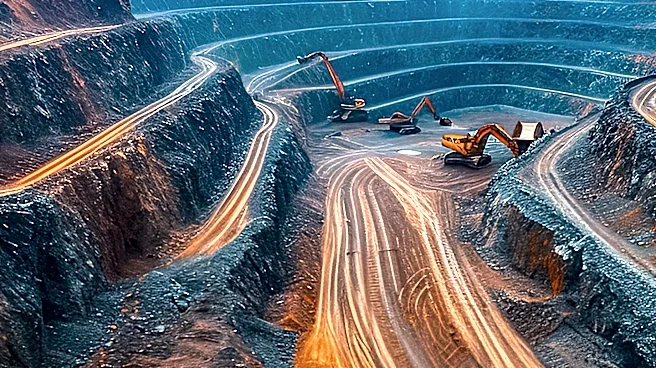
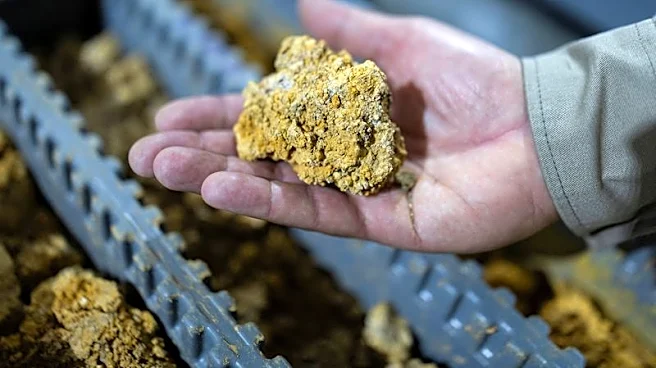
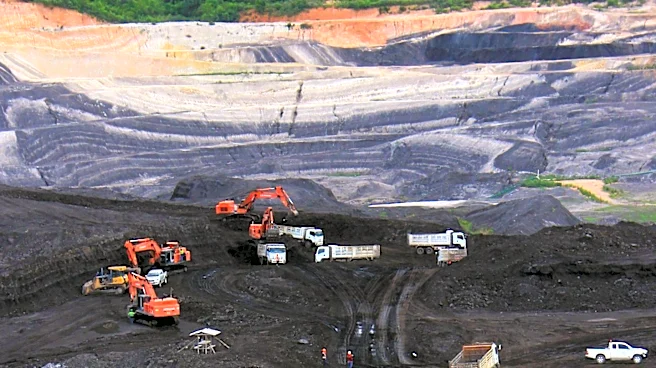
Perseus Mining has acquired 28 containerized generator stands for its Nyanzaga gold project in northwestern Tanzania. This move is a critical step in preparing for the planned first gold pour in January 2027. The mine is situated in a remote location
with an unreliable grid supply, making on-site backup electricity essential for its operations. The backup power system is being supplied by South African power engineering firm USP&E, which entered the project through ECG, an Australian electrical and automation engineering consultancy. The system comprises 28 Cummins KTA50G3 1 MW containerized generator sets, six 72,000-liter bulk fuel tanks, three pump skids, and 28-day tanks. USP&E noted that the containerization facilitates rapid installation, and the fuel system is designed to sustain the plant during extended power outages. Once fully operational, the Nyanzaga project is expected to contribute significantly to Perseus's gold production, projecting over 200,000 ounces annually for its first 14 years and accounting for 28% of the company's total production until the end of the decade.
Why It's Important?
Securing a robust backup power system is crucial for the operational continuity and economic viability of the Nyanzaga gold project. Given its remote location and unreliable grid, a stable power supply is paramount to prevent costly downtime and ensure consistent production. This investment mitigates significant operational risks, safeguarding Perseus Mining's projected output and revenue streams. For the U.S. and global markets, a stable supply from major gold producers like Perseus contributes to the overall stability of the gold market, which is often seen as a safe-haven asset. The successful development and operation of such projects can also influence investment trends in the mining sector, particularly in frontier markets, by demonstrating the feasibility of large-scale operations despite infrastructural challenges. This project's success could encourage further foreign direct investment in similar regions, impacting global commodity markets and supply chains.
What's Next?
With the backup power system in place, Perseus Mining will continue its preparations for the first gold pour scheduled for January 2027. The focus will be on completing the remaining construction and commissioning phases of the Nyanzaga project. Following the initial gold pour, the mine will ramp up to full operational capacity, aiming to achieve its projected annual production targets. The company will also need to manage the logistics of fuel supply and maintenance for the extensive generator system. The success of this project will be closely watched by investors and the mining industry, as it represents a significant expansion for Perseus Mining and a test case for large-scale mining operations in challenging environments.
Beyond the Headlines
The reliance on extensive backup power solutions for large-scale mining projects in remote areas highlights the persistent infrastructure deficits in many developing regions. While essential for project viability, this approach also raises environmental considerations related to fossil fuel consumption and emissions. The long-term sustainability of such operations will increasingly depend on integrating renewable energy sources or more efficient power generation technologies. Furthermore, the success of projects like Nyanzaga can have broader socio-economic impacts on host countries, including job creation, local economic development, and potential environmental challenges. The strategic importance of gold as a global commodity means that the stability of its supply, even from remote mines, has implications for international financial markets and economic stability.