




What's Happening?
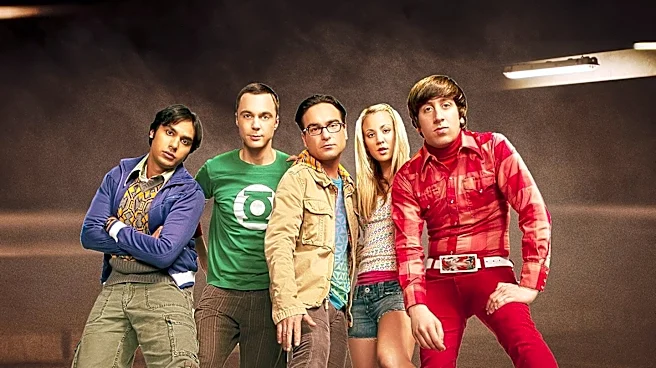
Kaley Cuoco, known for her role as Penny in 'The Big Bang Theory,' was initially rejected for the part because she was deemed too young. The character, originally named Katie, was first portrayed by Amanda Walsh in the pilot. According to Peter Roth,
then-Warner Brothers president and Chief Content Officer, the issue was not Walsh's performance but the 'conceit of the character.' The former president of CBS recognized the show's potential, leading to a re-evaluation and Cuoco eventually securing the role. 'The Big Bang Theory' went on to become one of Chuck Lorre's most successful series, following the popularity of 'Two and a Half Men,' which starred Jon Cryer and Charlie Sheen. The show, which began in the late 2000s, has garnered a significant cult following and continues to air in reruns.
Why It's Important?
Kaley Cuoco's initial rejection and subsequent casting in 'The Big Bang Theory' highlights the often-unpredictable nature of television production and casting decisions. This anecdote underscores how pivotal early choices can be for a show's trajectory and an actor's career. The show's eventual massive success, following in the footsteps of another Chuck Lorre hit, 'Two and a Half Men,' demonstrates Lorre's significant influence on CBS's comedy lineup and the broader U.S. television landscape. 'The Big Bang Theory' not only became a cultural phenomenon but also solidified CBS's reputation for producing long-running, highly-rated sitcoms. The continuous airing of reruns indicates its enduring popularity and economic value, generating sustained revenue for the network and production companies. This success story serves as a case study for aspiring actors and industry professionals on perseverance and the impact of creative vision in entertainment.
What's Next?
While 'The Big Bang Theory' has concluded its run, its legacy continues through syndication and streaming, ensuring its presence in the U.S. entertainment market for years to come. The show's enduring popularity may inspire future sitcoms to explore similar themes of intellectual humor and social dynamics. Chuck Lorre's continued involvement in television production suggests that his future projects will be closely watched, potentially shaping the next generation of network comedies. For actors like Kaley Cuoco, the show's success has provided a platform for diverse career opportunities, influencing their post-'Big Bang Theory' endeavors. The ongoing cultural impact of the series also means that its characters and storylines will remain relevant in pop culture discussions.
Beyond the Headlines
The story of Kaley Cuoco's casting in 'The Big Bang Theory' offers a glimpse into the subjective and often serendipitous process of Hollywood casting. It illustrates how a minor initial setback can lead to a major career breakthrough, emphasizing the importance of timing and fit for a role. The show's success also reflects a broader societal appreciation for 'nerd culture' and intellectual pursuits, bringing these themes into mainstream television. This shift in popular culture, where scientific and academic interests are celebrated rather than marginalized, has had a lasting impact on how diverse characters are portrayed in media. The show's ability to create relatable characters from a niche demographic contributed to its widespread appeal, demonstrating the power of inclusive storytelling in connecting with a global audience.