



What's Happening?
Zara, a prominent brand in the fast fashion industry, is part of the Inditex group, which ranks among the top clothing and accessories retailers globally by revenue. The fast fashion model, characterized by high-volume, quick-rate production and affordable
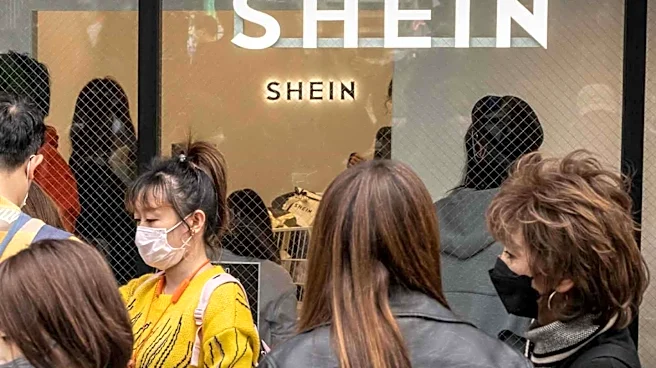
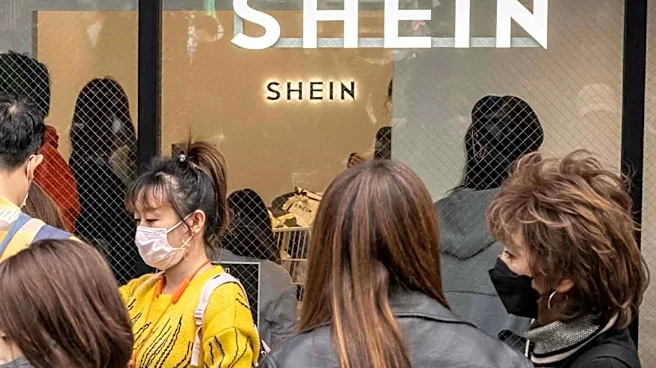
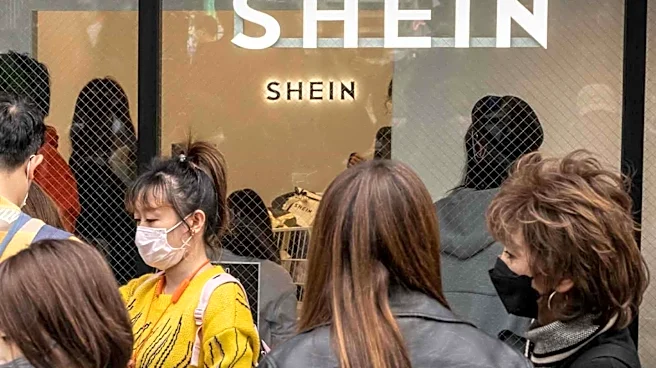
pricing, was notably influenced by Zara's accelerated clothing production model, a concept first described by the New York Times around 30 years ago. This model has transformed how millions of consumers access clothing, enabling them to stay current with fashion trends cheaply and easily. Despite the rise of online-first competitors like Shein, which has become the most visited fashion and apparel website worldwide, Inditex and H&M continue to lead the global ranking of clothing and accessories retailers. The industry's growth is fueled by consumers' desire for the best price and personal style, even as it faces scrutiny over sustainability and labor practices.
Why It's Important?
The dominance of companies like Inditex and Zara in the fast fashion sector highlights significant trends in consumer behavior and retail economics within the U.S. and globally. The industry's focus on affordability and rapid trend adoption impacts traditional retail models, pushing competitors to adapt their supply chains and pricing strategies. The continued success of fast fashion, despite concerns about sustainability and labor exploitation, indicates a strong consumer preference for accessible and trendy clothing. This dynamic affects U.S. businesses by intensifying competition, particularly for brands that cannot match the speed and price points of fast fashion giants. It also influences manufacturing and supply chain decisions, with a constant drive for efficiency and cost reduction. The growth of online platforms further amplifies these effects, making it crucial for U.S. retailers to innovate in e-commerce and digital strategy to remain competitive.
What's Next?
The fast fashion industry is expected to continue its expansion, with companies like Zara and its parent Inditex likely to maintain their leading positions by adapting to evolving consumer demands and technological advancements. The increasing popularity of online marketplaces, such as Temu, suggests that the reach of fast fashion will broaden, intensifying competition for both traditional retailers and more sustainable alternatives. Brands will likely continue to invest in new customer service technologies and supply chain efficiencies to keep pace with rapid production cycles and consumer expectations for quick delivery. The ongoing scrutiny regarding sustainability and labor practices may also prompt companies to explore more transparent supply chains or invest in greenwashing efforts, though the primary drivers for consumers remain price and style. The industry's trajectory will depend on its ability to balance these operational demands with growing ethical and environmental concerns.
Beyond the Headlines
The pervasive influence of fast fashion, exemplified by Zara's model, extends beyond mere retail trends, touching upon significant ethical, environmental, and cultural dimensions. The industry's reliance on rapid production and low costs often leads to concerns about labor exploitation and unsustainable manufacturing practices, contributing to environmental degradation through overconsumption and waste. This raises questions about corporate responsibility and consumer ethics, as the demand for cheap, trendy clothing often overshadows the social and ecological costs. Culturally, fast fashion perpetuates a cycle of disposability, where clothing is seen as temporary and easily replaceable, contrasting with historical values of durability and craftsmanship. The industry's success also highlights a broader societal shift towards instant gratification and the constant pursuit of newness, influencing not only fashion but also other consumer goods sectors. Addressing these deeper implications requires a re-evaluation of consumption patterns and a push for more sustainable and ethical practices across the entire supply chain.