









What's Happening?
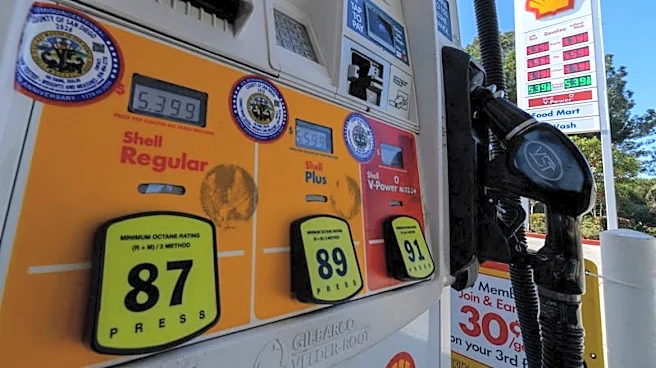
The ongoing conflict between the U.S. and Iran has intensified, leading to a significant rise in oil prices. Brent crude has surged to $78 a barrel, impacting inflation expectations and the Federal Reserve's interest rate decisions. The conflict has disrupted
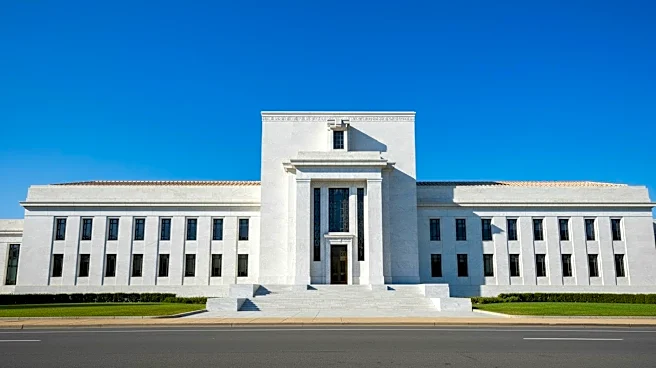
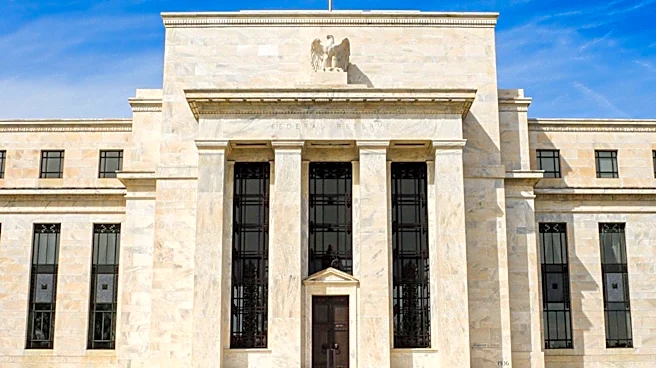
the Strait of Hormuz, a critical shipping lane, causing concerns over oil supply. The Islamic Revolutionary Guard Corps has reportedly attacked U.S. bases, prompting U.S. military responses. This escalation has raised fears of prolonged conflict, affecting global oil markets and inflation. The Federal Reserve, led by Chairman Kevin Warsh, faces challenges in managing inflation amid these geopolitical tensions.
Why It's Important?
The rise in oil prices due to the U.S.-Iran conflict has far-reaching implications for the U.S. economy and global markets. Higher oil prices contribute to increased inflation, complicating the Federal Reserve's efforts to maintain price stability. The situation also affects consumer spending and business costs, potentially slowing economic growth. The Federal Reserve's response to these inflationary pressures will be crucial in determining the trajectory of interest rates and economic stability. Additionally, the conflict underscores the vulnerability of global oil supply chains and the importance of geopolitical stability in maintaining economic equilibrium.
What's Next?
The Federal Reserve will need to carefully monitor inflation trends and geopolitical developments to adjust its monetary policy accordingly. If the conflict continues to escalate, further disruptions in oil supply could lead to sustained high prices, necessitating a more aggressive response from the Fed. The potential for new pipeline developments in the Middle East could mitigate some long-term supply concerns, but immediate challenges remain. The Fed's decisions will be closely watched by markets, as they will influence economic conditions and investor confidence.