







What's Happening?
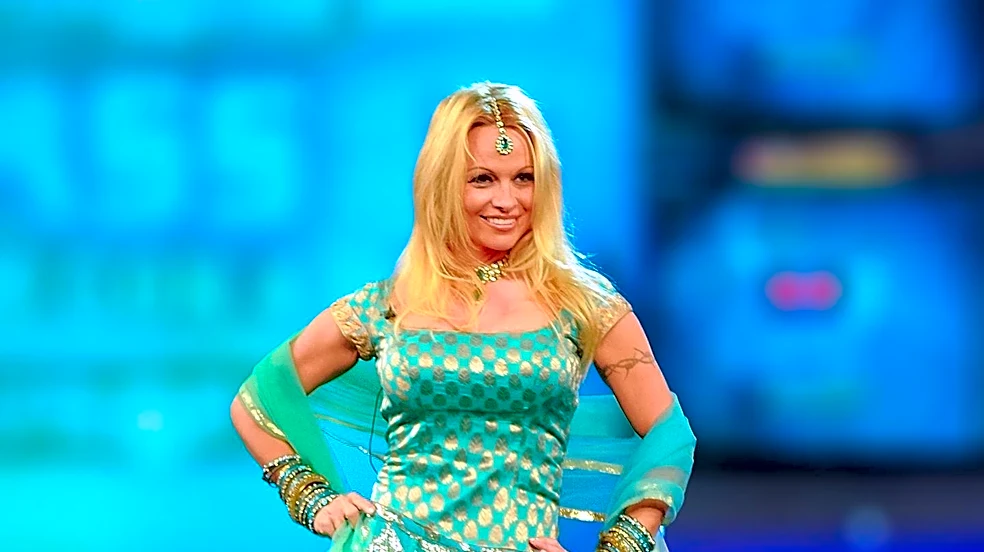
Pamela Anderson, a prominent figure in popular culture for decades, has undergone a significant evolution in her public identity. Initially rising to international fame as C.J. Parker on 'Baywatch' in the 1990s, her image became synonymous with the show.
Her career began unexpectedly in 1989 after being spotted at a Canadian football game, leading to modeling work and appearances in Playboy before her television breakthrough. Beyond her acting roles, Anderson has utilized her platform for activism, particularly in animal welfare, collaborating with organizations like PETA. More recently, she has garnered attention for embracing a natural look, appearing at major events with minimal makeup, a stark contrast to the glamorous image often associated with her earlier career. This shift reflects a renewed focus on her as an individual and performer, moving beyond the initial public perception defined largely by her appearance.
Why It's Important?
Pamela Anderson's career trajectory and recent public choices are significant for several reasons. Her journey from an accidental discovery to a global icon highlights the powerful influence of media and television in shaping celebrity. Her long-standing activism, particularly in animal rights, demonstrates how public figures can leverage their fame to advocate for social causes, influencing public opinion and corporate practices. The most recent shift towards a natural aesthetic challenges conventional beauty standards in the entertainment industry, which often places immense pressure on celebrities to maintain a highly polished image. This move can empower individuals to embrace their natural appearance and spark broader conversations about authenticity, aging, and the unrealistic expectations placed on women in the public eye. It also recontextualizes her legacy, emphasizing her substance beyond superficial appearances.
What's Next?
Pamela Anderson's continued embrace of a natural public image is likely to inspire further discussion and potentially influence trends within the entertainment and fashion industries. Her actions could encourage other public figures to adopt similar approaches, fostering a more diverse and realistic representation of beauty. As she continues to engage in activism and pursue various projects, her platform will likely remain a space for advocating for causes she believes in. The ongoing narrative of her career evolution suggests a sustained focus on authenticity and personal values, which may lead to new collaborations, media projects, or public appearances that further explore these themes. Her story serves as a testament to the possibility of reinvention and self-definition in the public sphere.
Beyond the Headlines
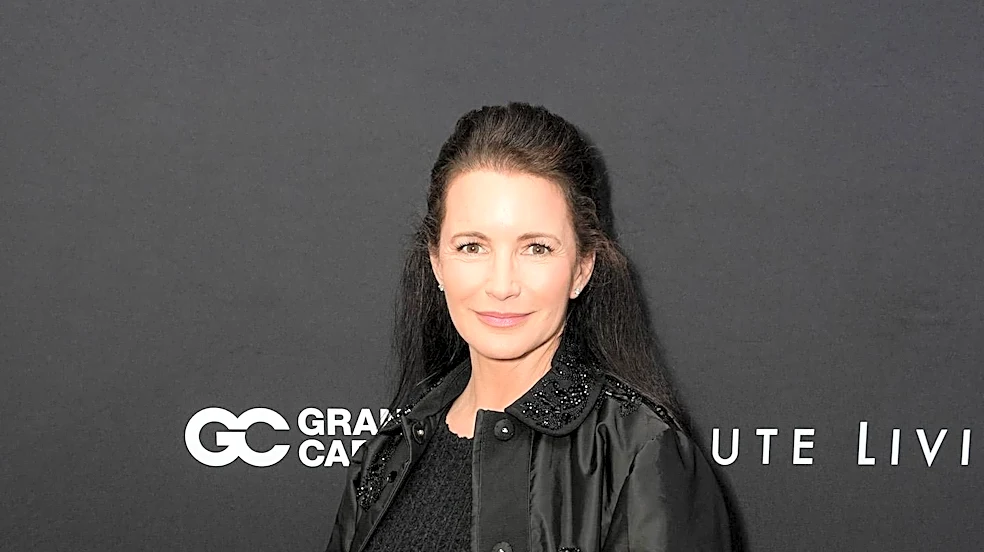
Pamela Anderson's evolution touches upon deeper cultural and societal implications. Her initial rise to fame, heavily influenced by her physical appearance, reflects a period where media often objectified women. Her later pivot to activism and natural beauty challenges this historical context, offering a critique of the very systems that propelled her to stardom. This journey raises questions about the agency of celebrities in controlling their own narratives and the societal pressures that dictate public image. Her choice to appear without makeup can be seen as a feminist statement, reclaiming her image from external expectations and promoting a more authentic self. This shift contributes to a broader cultural dialogue about body positivity, ageism, and the often-unseen labor involved in maintaining a celebrity persona, encouraging a re-evaluation of what constitutes beauty and success in the public eye.