



What's Happening?
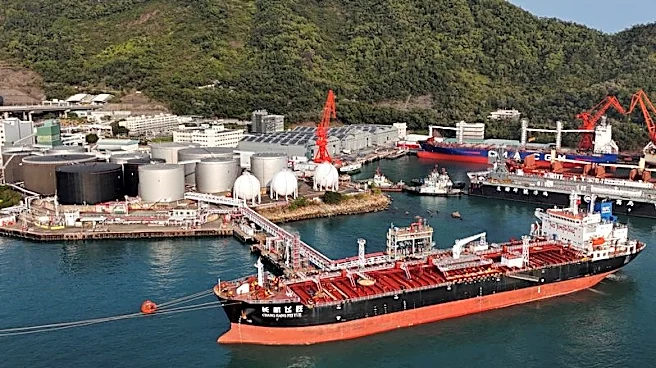
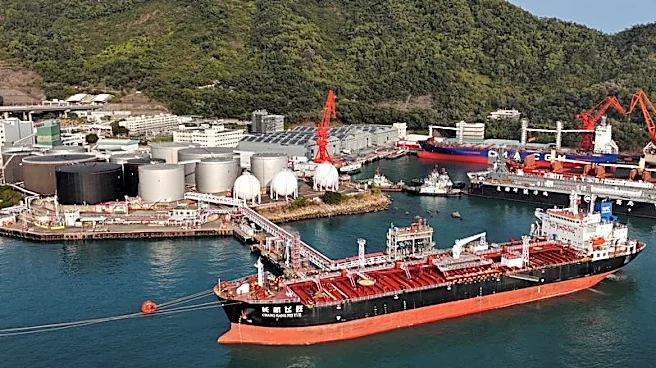
Russia has significantly increased its share of China's crude oil imports, becoming the leading supplier from January to October, according to customs data released on November 20. Russia supplied almost a quarter of China's crude imports during this
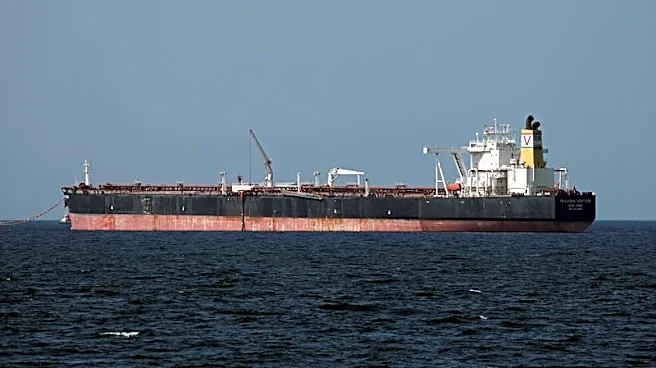
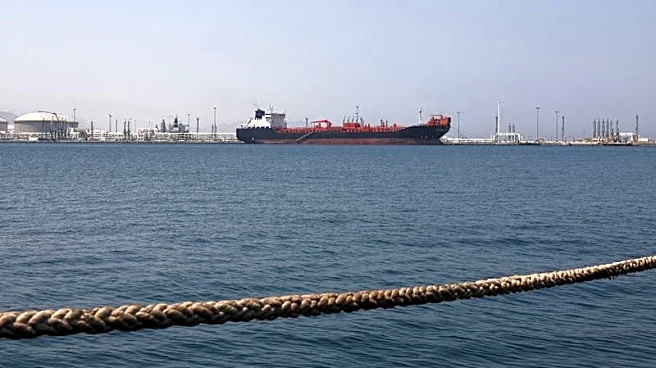
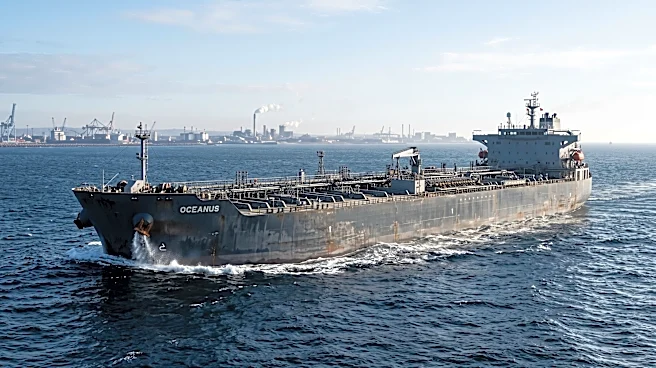
period, a notable rise from under a fifth a year earlier. China purchased 97.62 million tonnes of Russian crude, marking a 17% increase year-on-year, even as its total crude imports decreased by 15.1% to 399.9 million tonnes. In October alone, deliveries from Russia reached 10.03 million tonnes, or approximately 2.36 million barrels per day (bpd), a 10% increase from the previous year. This surge positions Russia to surpass its total crude sales to China from 2025. The shift is largely attributed to disruptions in tanker traffic through the Strait of Hormuz, which impacted traditional suppliers from the Gulf and Iran, leading to a ten-year low in China's total imports in June.
Why It's Important?
This development signifies a major realignment in global oil trade dynamics, with Russia solidifying its position as a key energy partner for China. For the U.S. and its allies, this shift has several implications. It potentially undermines efforts to isolate Russia economically, as China's increased purchases provide a crucial revenue stream for Moscow. The reliance on discounted Russian crude also benefits China by securing energy supplies at a lower cost, which can support its industrial growth and economic stability. Conversely, traditional suppliers like Saudi Arabia and the UAE have seen their market share in China diminish, impacting their oil revenues and potentially influencing their geopolitical strategies. The disruption in the Strait of Hormuz highlights the vulnerability of global supply chains and the strategic importance of maritime security, which could prompt nations to diversify their energy sources and trade routes.
What's Next?
The trend of increased Russian crude imports by China is expected to continue, especially as Russian crude remains heavily discounted. Urals crude, for instance, traded $33 per barrel below Dated Brent in mid-November, making it an attractive option for Chinese refiners. This sustained demand from China will likely bolster Russia's oil revenues, potentially mitigating the impact of Western sanctions. For other major oil producers, particularly those in the Middle East, this shift may necessitate a re-evaluation of their export strategies and a search for new markets or increased domestic consumption. The ongoing geopolitical tensions and potential for further disruptions in key shipping lanes will continue to influence crude oil trade patterns, making energy security a paramount concern for importing nations like China. The long-term implications could include a more entrenched energy partnership between Russia and China, potentially altering global energy alliances.
Beyond the Headlines
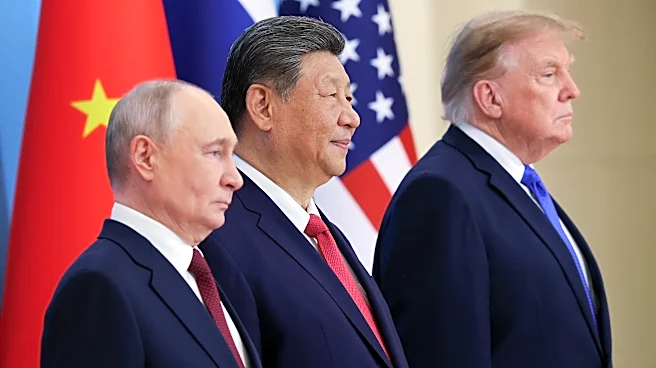
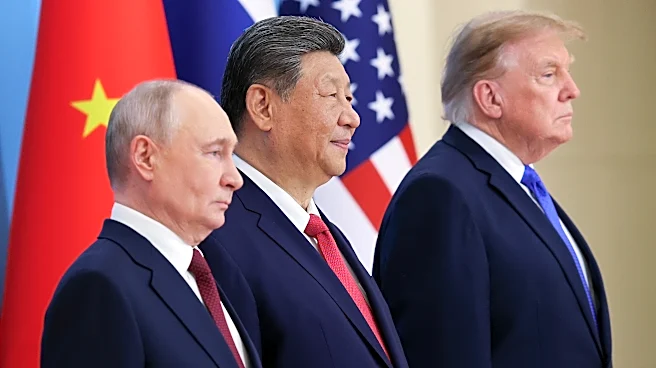
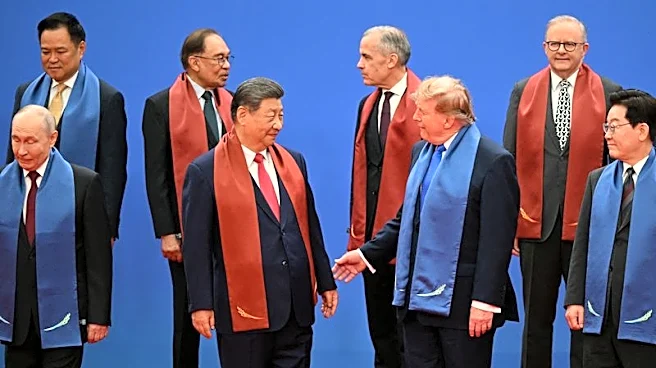
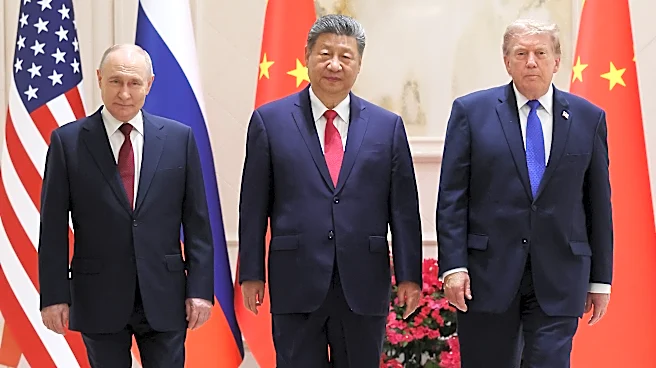
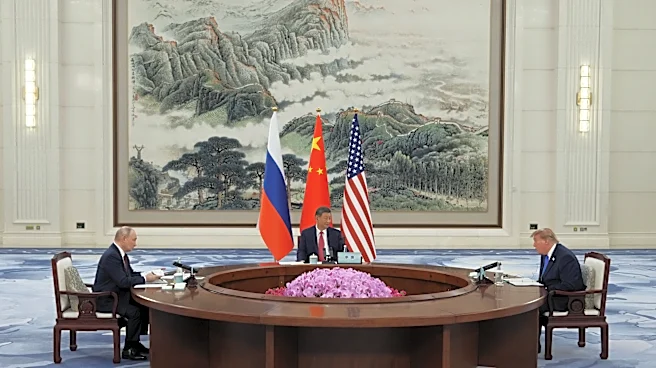
Beyond the immediate economic implications, Russia's increased crude oil supply to China reflects a broader geopolitical pivot. As Western nations impose sanctions on Russia, China has emerged as a critical economic lifeline, strengthening the strategic partnership between the two countries. This deepening energy relationship could have long-term consequences for global power dynamics, potentially fostering a more multipolar world order. The discounted price of Russian crude also highlights the economic pressures on Russia, forcing it to sell its oil at lower rates to maintain market share. For China, while economically beneficial, this increased reliance on a single supplier could introduce new vulnerabilities, particularly if geopolitical circumstances shift. The situation also underscores the complex interplay between energy markets, international sanctions, and geopolitical alliances, where economic decisions are often intertwined with strategic objectives.