


What's Happening?
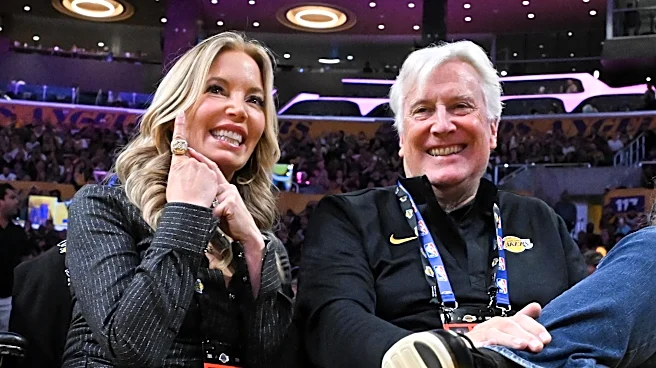
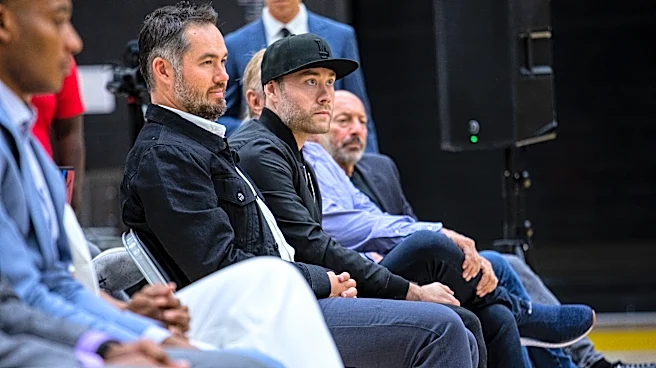
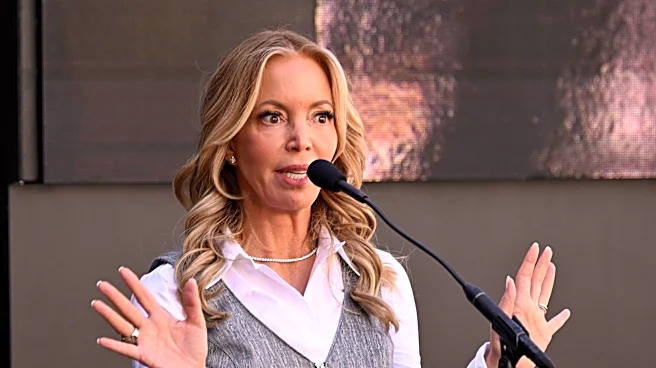
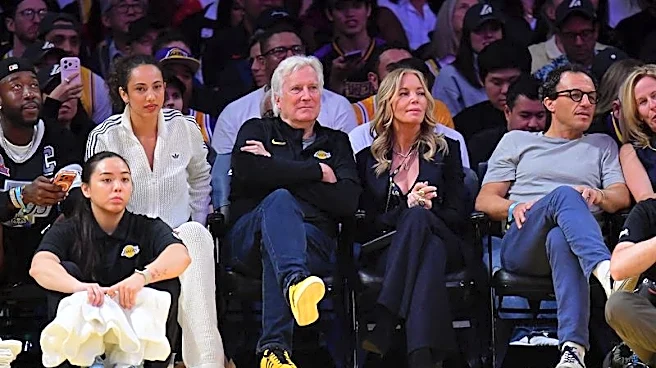
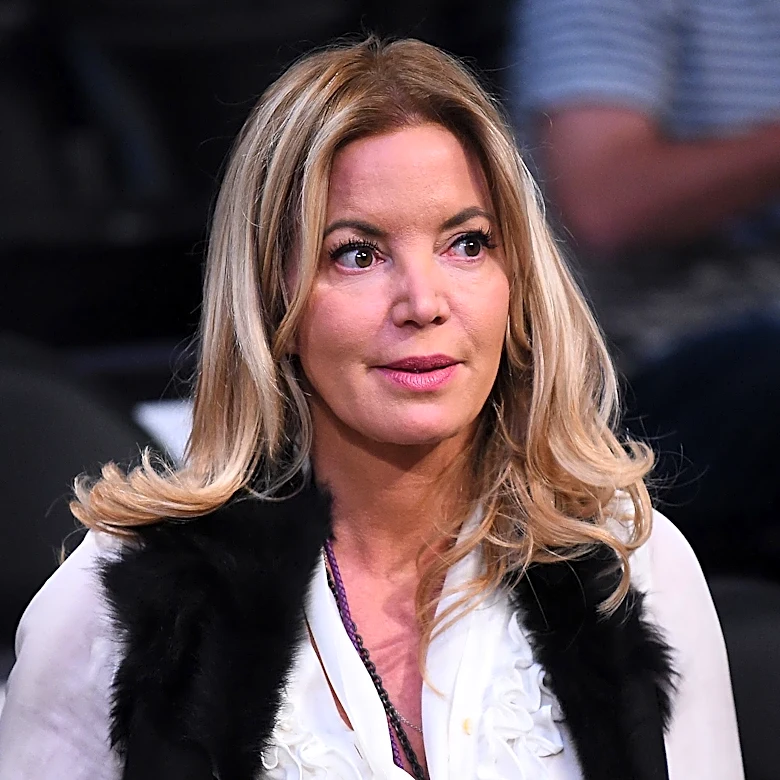
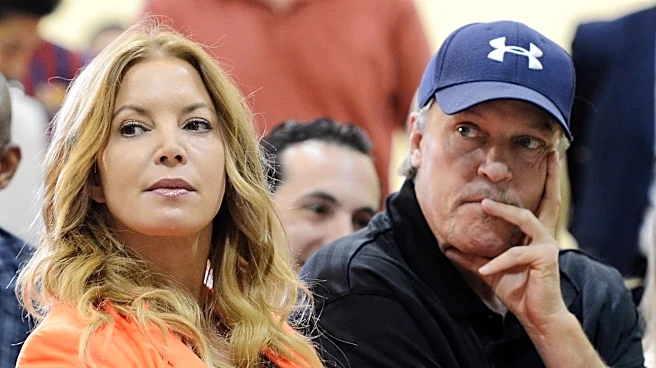
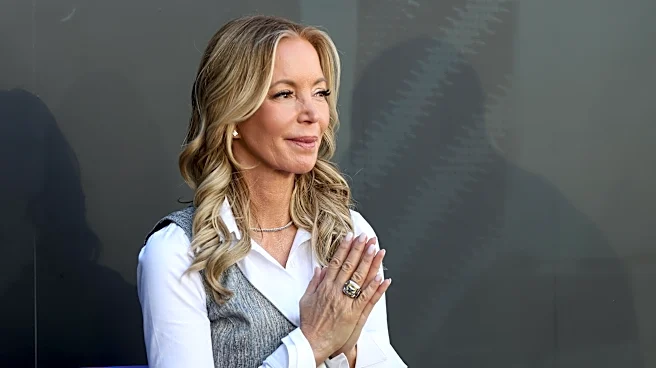
Los Angeles Lakers governor Jeanie Buss is legally challenging her siblings' decision to sell their remaining 17.8% minority ownership stake in the team to Josh Kushner and Bob Iger. This proposed sale, initially reported by ESPN and The Athletic, would
effectively end Jeanie Buss's tenure as the Lakers' governor, a role that requires at least 15% ownership of the team. Her attorney, Adam Streisand, has sent a letter to representatives of her five siblings, asserting that any sale of the family trust's ownership stake cannot proceed without the approval of the current co-trustees, who include Jeanie, Janie, and Joey Buss. The letter emphasizes that the co-trustees are obligated to vote the Los Angeles Lakers, Inc. shares in a way that maintains the minimum 15% ownership requirement for Jeanie Buss to remain the Controlling Owner. Any action to the contrary would be considered a breach of trust, fiduciary duty, and contempt of court. The Buss siblings have a history of conflict since their father Jerry Buss's death in 2013, including a previous attempt by Jim and Johnny Buss to oust Jeanie from her controlling owner role in 2017.
Why It's Important?
This dispute over the Los Angeles Lakers' ownership has significant implications for the team's leadership and stability, as well as for the broader NBA landscape. Jeanie Buss has been the Lakers' governor since 2013, leading the team to its 17th championship in 2020. Her potential removal from this role could disrupt the team's strategic direction and management, impacting player relations, coaching decisions, and overall franchise operations. The proposed sale to Josh Kushner and Bob Iger, which would value the team at $12.5 billion, also highlights the escalating valuations of professional sports teams and the increasing involvement of high-profile investors. The legal challenge underscores the complexities of family-owned businesses, particularly in the high-stakes world of professional sports, where personal relationships and financial interests often intertwine. The outcome of this legal battle could set a precedent for how ownership disputes are resolved in other sports franchises, affecting governance structures and succession planning across the league.
What's Next?
The sale agreement with Josh Kushner and Bob Iger is currently awaiting approval from the NBA's board of governors, a process that could extend for several months. In the interim, the legal challenge initiated by Jeanie Buss is expected to unfold, potentially leading to court proceedings or further negotiations among the Buss siblings. The letter from Jeanie Buss's attorney explicitly warns against any actions that would violate her minimum 15% ownership requirement, suggesting that legal injunctions or other court interventions could be sought to prevent the sale from proceeding as planned by her siblings. The Buss family has issued a statement indicating their decision to sell the remaining shares to the Bob Iger group, expressing their continued support for the Lakers but stating it's time to move on. However, Jeanie Buss's opposition, reportedly being the only sibling not to support the final sale, indicates a protracted dispute. The NBA's board of governors will likely monitor the legal developments closely before making a final decision on the ownership transfer, as the stability of one of its most iconic franchises is at stake.
Beyond the Headlines
The ongoing saga of the Lakers' ownership extends beyond a simple business transaction, touching upon themes of legacy, family dynamics, and the evolving nature of sports ownership. The late Jerry Buss, who purchased the Lakers in 1979, built a dynasty known for its 'Showtime' era and subsequent championships. His vision was to keep the team a family business, a legacy now threatened by internal strife. The public nature of this dispute, with accusations of leaked information and malicious intent, reveals the intense pressures and personal stakes involved in managing a high-profile sports franchise. This situation also reflects a broader trend in professional sports where traditional family ownership structures are increasingly challenged by external investment and the immense financial value of teams. The involvement of figures like Josh Kushner and Bob Iger signifies the growing convergence of sports, entertainment, and finance, potentially shifting the cultural identity of teams from community institutions to global entertainment brands. The resolution of this conflict will not only determine the future leadership of the Lakers but also offer insights into the delicate balance between preserving legacy and embracing modern business practices in professional sports.