




What's Happening?
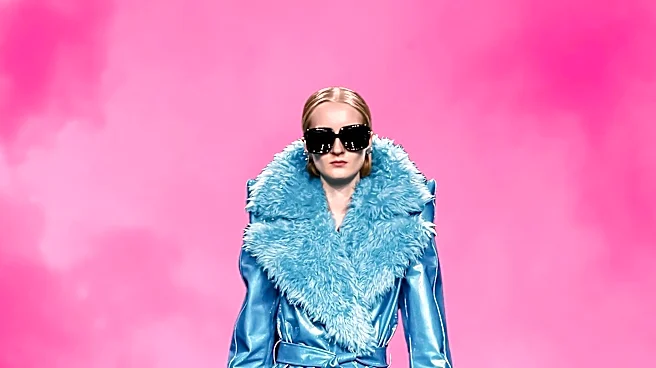
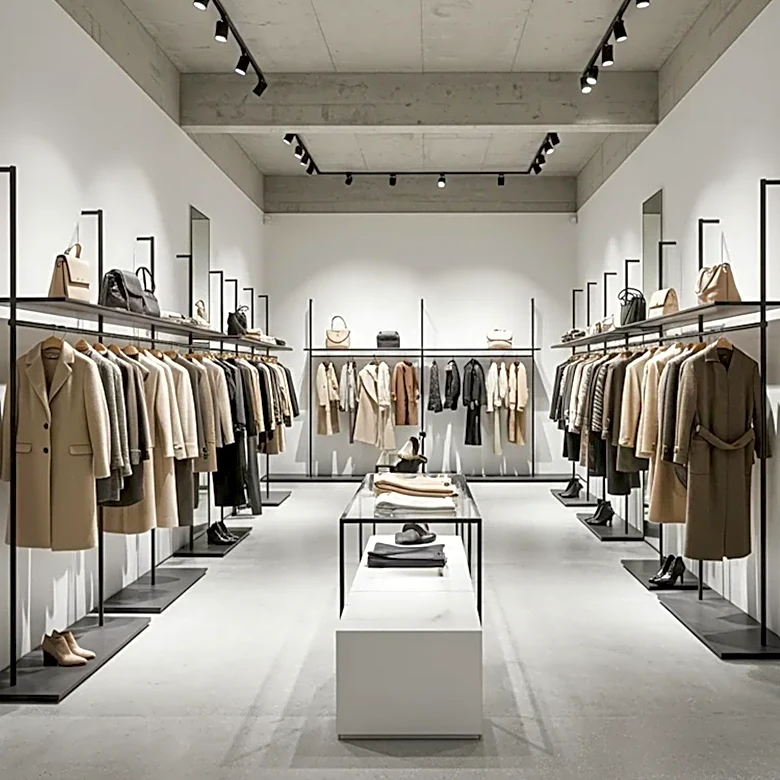
Zara is actively showcasing its winter fashion collection for 2026, highlighting several key trends anticipated to be popular. The retailer is featuring items such as fur-trimmed outerwear, which is expected to make colder weather more bearable and stylish.
Another prominent trend is embroidery, applied to everyday wardrobe staples like statement jackets with intricate appliqués, velvet trousers with contrast stitching, and pencil skirts with eye-catching patterns. This design detail aims to give simple pieces a festive appeal, suitable for the holiday season. Zara's approach makes these trends accessible to a broader consumer base, allowing individuals to incorporate high-fashion elements into their daily attire without requiring a substantial budget. The collection emphasizes maximalism through detailed embroidery and offers cozy options with fur trims, positioning Zara as a go-to for current winter styles.
Why It's Important?
Zara's introduction of these winter trends is significant for the U.S. fashion retail market as it influences consumer purchasing decisions and broader fashion directions. As a major fast-fashion retailer, Zara's offerings often dictate what becomes widely available and popular, making these trends accessible to a mass market. The emphasis on fur-trimmed outerwear and intricate embroidery suggests a shift towards more luxurious and detailed aesthetics in everyday wear, potentially impacting how other retailers curate their collections. This move also highlights the ongoing cycle of fashion trends, where elements like maximalism and cozy textures are reinterpreted for contemporary consumers. For consumers, Zara provides an affordable entry point into these trends, allowing them to update their wardrobes without significant financial investment, thereby democratizing access to current fashion. The rapid adoption of these styles could also influence textile manufacturers and designers to focus on similar materials and embellishments.
What's Next?
As these winter trends from Zara gain traction, it is likely that other fast-fashion retailers and even some mid-range brands will introduce similar styles to compete in the market. Consumers can expect to see an increased availability of fur-trimmed coats and embroidered garments across various price points. The popularity of these items will also be reflected in fashion media and social media, further solidifying their status as key winter looks. Retailers will monitor sales performance of these specific trends to inform future seasonal collections, potentially leading to an evolution or continuation of maximalist and comfort-focused designs. The rapid turnover of fast fashion means that while these trends are prominent now, new variations or entirely different styles will emerge for subsequent seasons, keeping the fashion cycle dynamic.
Beyond the Headlines
The prominence of fur-trimmed outerwear in Zara's collection, even if faux fur, touches upon broader discussions around sustainability and ethical fashion. While fast fashion often faces criticism for its environmental impact, the adoption of trends like fur trim can also reflect consumer demand for luxury aesthetics at an affordable price, potentially driving innovation in sustainable alternatives to traditional fur. The re-emergence of embroidery as a significant trend also speaks to a desire for craftsmanship and personalization in an increasingly mass-produced world. This trend could encourage a renewed appreciation for detailed work in clothing, potentially influencing DIY fashion and custom design markets. Furthermore, Zara's ability to quickly adapt and disseminate global fashion trends highlights the power of fast fashion in shaping contemporary style and consumer expectations for immediate access to the latest looks.