







What's Happening?
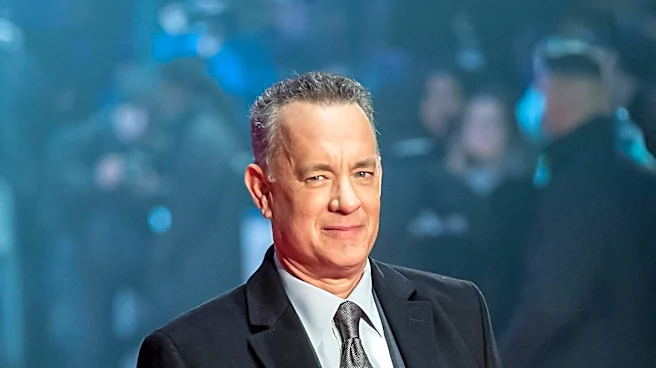
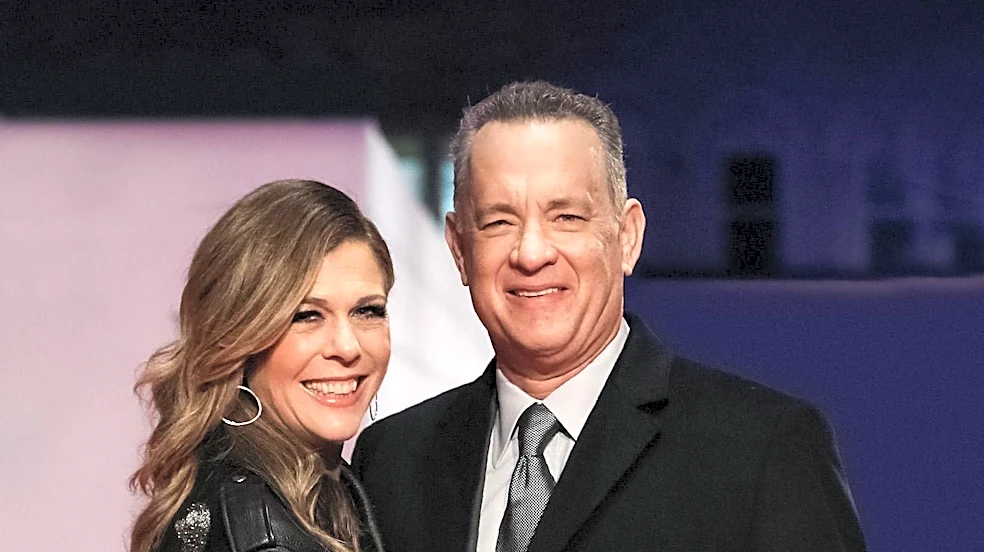
Tom Hanks famously turned down the lead role of Harry in the iconic romantic comedy 'When Harry Met Sally' in 1987. According to his wife, Rita Wilson, Hanks's decision stemmed from his personal experience of going through a divorce at the time. He was
reportedly 'very happy to be not married' and found it difficult to comprehend the emotional state of a character grappling with the loneliness and introspection often associated with divorce, as depicted in the film. The movie, which went on to earn $193 million, explored the complexities of relationships and the aftermath of separation, themes that were central to director Rob Reiner's own experiences. Hanks's inability to connect with the character's emotional journey, given his own positive outlook on his divorce, led him to decline what many consider one of the greatest rom-com roles in cinema history. The role was eventually played by Billy Crystal.
Why It's Important?
This decision highlights the profound impact of an actor's personal life and emotional state on their career choices and the roles they undertake. For a film like 'When Harry Met Sally,' which relies heavily on the nuanced emotional portrayal of its characters, an actor's genuine connection to the material is crucial. Hanks's candid reason for declining the role underscores the artistic integrity many actors strive for, where authenticity in performance is paramount. It also reveals a 'what if' moment in Hollywood history, as the film became a cultural touchstone. Had Hanks taken the role, the dynamic and reception of the movie could have been significantly different. This instance serves as a reminder that even highly successful actors make career decisions based on deeply personal factors, which can inadvertently shape the trajectory of major cinematic works and the careers of other actors.
What's Next?
While this event is a historical anecdote, it continues to be a point of discussion regarding casting choices and the personal lives of public figures. For aspiring actors and filmmakers, it offers a lesson in understanding the importance of an actor's emotional availability and connection to a role. The story reinforces the idea that a perfect fit between actor and character can be as much about personal experience and emotional resonance as it is about talent or marketability. In the broader context of Hollywood, such stories contribute to the ongoing narrative of how films are made, the decisions behind casting, and the often-unseen personal factors that influence creative outcomes. It also adds to the public's understanding of Tom Hanks's career, showcasing a moment where personal happiness took precedence over a potentially lucrative and acclaimed role.
Beyond the Headlines
The story of Tom Hanks turning down 'When Harry Met Sally' due to his divorce happiness offers a deeper insight into the psychological demands of acting and the blurred lines between an actor's personal and professional life. It suggests that for some actors, fully embodying a character requires a level of emotional immersion that can be challenging if their personal experiences are antithetical to the role's core themes. This raises questions about the ethical boundaries of method acting and the potential for emotional toll on performers. Furthermore, it subtly comments on societal perceptions of divorce; while the film explored the pain and loneliness, Hanks's experience presented a contrasting narrative of liberation and happiness. This divergence highlights the multifaceted nature of human experience and how personal narratives can influence artistic interpretation, ultimately shaping the cultural products we consume.