




What's Happening?
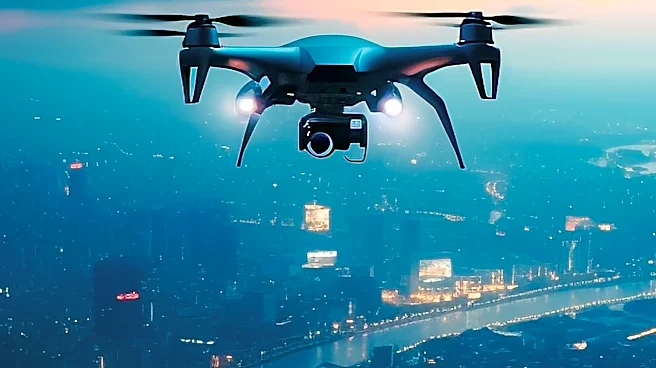
DJI, a prominent drone manufacturer, has filed a mandamus petition with the Ninth Circuit Court of Appeals, urging the Federal Communications Commission (FCC) to issue a ruling on its January 21st petition concerning the 'Covered List.' DJI claims the FCC has delayed
action for over nine months, leading to significant financial losses, estimated at seven figures daily. The company previously informed the court in April that 25 unreleased products and $1.56 billion in projected 2026 sales are being held up due to the unresolved listing. The FCC and the Department of Justice responded on November 9th, arguing that DJI's new petition necessitates the dismissal of its initial lawsuit, filed in February, as a final order from the full Commission is required before court intervention. Currently, existing DJI drones owned by U.S. pilots remain operational, but new models are blocked from release.
Why It's Important?
This legal action highlights a critical regulatory bottleneck impacting the U.S. drone market and the broader technology sector. DJI's claim of substantial daily financial losses underscores the economic consequences of prolonged regulatory inaction, potentially affecting innovation and consumer access to new drone technologies. The dispute also brings to light the procedural complexities between federal agencies and the judiciary, particularly concerning the timing and prerequisites for court intervention in regulatory matters. For U.S. consumers and businesses reliant on drone technology, the continued blocking of new DJI models could limit choices and potentially increase costs for alternative solutions. The outcome of this petition could set a precedent for how quickly federal courts can compel agencies to act on petitions, influencing future regulatory disputes in various industries.
What's Next?
The immediate next step involves the Ninth Circuit Court of Appeals determining whether to order the government to respond to DJI's mandamus petition. This decision will serve as an initial indicator of the court's view on the FCC's delay. If the court sides with DJI, it could accelerate a resolution regarding the 'Covered List' status, potentially unblocking new product releases and sales. Conversely, if the court dismisses the petition, DJI may face further delays and continued financial strain. The ongoing legal battle will be closely watched by U.S. drone pilots, industry stakeholders, and legal experts, as it could influence future regulatory processes and the pace of technological adoption in the country. The resolution will also clarify the extent of judicial oversight over federal agency responsiveness.
Beyond the Headlines
The underlying issue extends beyond DJI's immediate financial concerns, touching upon broader themes of national security, economic competitiveness, and regulatory efficiency. The 'Covered List' typically involves concerns about foreign technology and potential security risks, making the FCC's deliberation a sensitive matter. The prolonged delay, however, raises questions about the balance between national security imperatives and the economic impact on businesses operating within the U.S. market. This case could prompt a reevaluation of the timelines and transparency surrounding regulatory reviews for technologies deemed sensitive. Furthermore, it highlights the challenges faced by international companies navigating complex U.S. regulatory frameworks, potentially influencing foreign investment and technological partnerships in the future. The outcome could shape perceptions of the U.S. as a market for global technology companies.