





What's Happening?
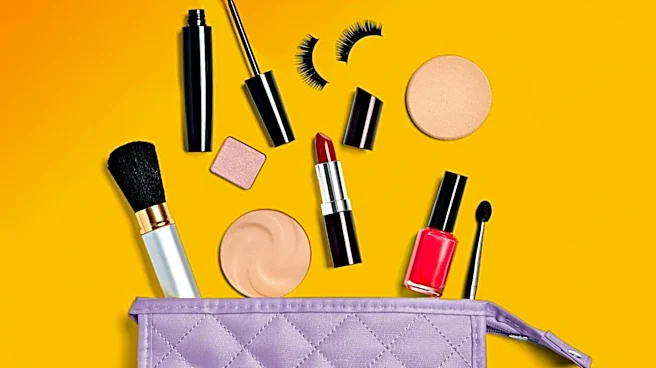
BeautyTok, a prominent segment on TikTok, has become a central hub for beauty product discussions, makeup tutorials, and trend dissemination. This platform significantly influences consumer choices within the beauty industry, with brands like Huda Beauty receiving
considerable attention and positive feedback from both emerging makeup artists and established beauty editors. BeautyTok facilitates the sharing of makeup tips, product reviews, and the rapid virality of specific products. The platform's influence extends to how beauty brands engage with consumers and how trends are established and spread. Influencer marketing on TikTok, particularly within the beauty niche, has evolved to a point where rates for creators are often benchmarked against factors beyond mere follower count, such as average views, engagement rates, and U.S. audience percentage. Brands are increasingly evaluating TikTok creators based on cost-per-view (CPV) to ensure effective marketing spend.
Why It's Important?
The rise of BeautyTok signifies a significant shift in how beauty products are marketed and consumed in the U.S. It underscores the growing power of social media platforms, particularly TikTok, in shaping consumer behavior and brand success. For beauty brands, understanding and effectively leveraging BeautyTok is crucial for staying competitive and relevant. The platform's ability to make products go viral can lead to rapid sales growth and increased brand recognition. Conversely, a lack of engagement or negative reviews on BeautyTok can significantly impact a brand's reputation and sales. The detailed pricing guides for TikTok influencers highlight the professionalization of content creation and the need for brands to adopt sophisticated metrics beyond simple follower counts to assess the value of influencer collaborations. This shift impacts marketing budgets, campaign strategies, and the overall approach to digital advertising within the beauty sector.
What's Next?
As BeautyTok continues to mature, brands and influencers will likely further refine their strategies to maximize engagement and return on investment. This could involve more sophisticated content creation, deeper analytics integration for campaign performance, and potentially new monetization models for creators. The emphasis on metrics like cost-per-view and engagement rate suggests a move towards more data-driven decision-making in influencer marketing. Brands may invest more in micro and mid-tier creators, who often demonstrate higher engagement rates and more authentic connections with their audiences, offering a better return on investment compared to mega-influencers. The platform itself may introduce new features or tools to facilitate brand-influencer collaborations and provide more transparent performance data. The ongoing evolution of BeautyTok will continue to shape beauty trends and consumer purchasing habits.
Beyond the Headlines
The phenomenon of BeautyTok reflects broader societal trends in digital consumption and the democratization of influence. It challenges traditional beauty industry gatekeepers, such as magazines and established media, by empowering individual creators to become tastemakers. This shift has implications for diversity and inclusivity within the beauty space, as a wider range of voices and perspectives can gain prominence. The platform also raises questions about authenticity and transparency in influencer marketing, as consumers become more discerning about sponsored content. The rapid pace of trends on BeautyTok can also contribute to a culture of constant consumption, with potential environmental and ethical considerations related to product waste and fast beauty. The platform's influence extends beyond mere product sales, shaping beauty standards and self-perception among its vast user base.